

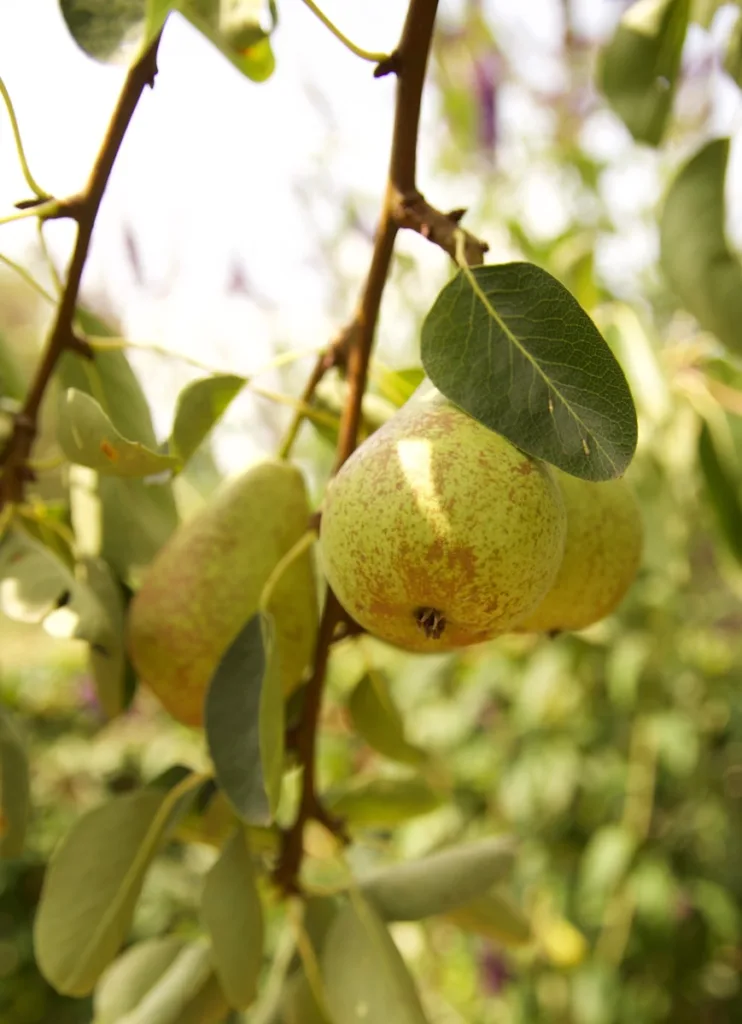
Have you ever wondered if there are male and female pear trees? You may have heard that certain plants are either male or female, but can the same be said of fruit trees? In this article, we’ll explore the answer to this question, providing insight into why there are male and female pear trees. We’ll also look at how to tell them apart and the implications for successful pollination. So whether you’re looking to grow your own pear tree or just curious about the science of botany, read on for an interesting look at this unique topic!
Yes, it is possible to have both male and female pear trees. Male pear trees are typically used to pollinate the female pear trees, which produce the fruit that is harvested.
Male and Female Pear Trees
Pear trees are dioecious, meaning they have both male and female trees. It is important to identify the sex of a pear tree before planting, as only female pear trees will produce fruit. Male pear trees are simply used to pollinate the female varieties. The differences between male and female pear trees are quite significant.
Female pear trees have flowers that vary in color from white to pink, while male flowers are yellow. Male flowers form clusters, while female flowers form a single blossom on each stem. Female pear trees tend to be larger than male trees and will produce more foliage due to their pollination needs.
Female pear trees require cross-pollination from a compatible male variety in order to produce fruit, as they do not self-pollinate. This means that two different varieties of pear tree must be planted for proper pollination of the female variety. The compatible male variety must bloom at the same time as the female variety in order for successful pollination to occur and for fruit production.
Male pear trees do not require cross-pollination and therefore can be planted alone without any other tree nearby for successful pollination. They also do not produce any pears, but instead help with pollinating the nearby female counterpart so that it can produce fruit.
In conclusion, there are clear differences between male and female pear trees which should be taken into consideration when planting them in your garden or orchard. Male varieties are used solely for pollinating female varieties, while only female varieties will produce pears which makes them the desired choice for growers wishing to harvest pears from their orchard or garden.
Does The Gender Of A Pear Tree Affect Its Fruit Production?
The answer to this question is yes, the gender of a pear tree does have an effect on its fruit production. Female pear trees produce flowers that attract bees, wasps, and other pollinators. These pollinators are necessary for the tree’s flowers to become fertilized and eventually produce fruit. Male pear trees do not produce flowers, so they are not attractive to pollinators. As a result, male pear trees are unable to produce fruit.
In addition to the gender of a pear tree affecting its ability to produce fruit, the type of pear tree also plays a role. Some varieties of pears are self-fertile, meaning that one tree can produce both male and female flowers and therefore bear fruit without the need for another variety of pear tree nearby. Other varieties of pears require two different types of trees in order to bear fruit; one must be male while the other must be female in order for fertilization and successful fruiting to occur.
Pollination is also key in determining how much fruit a pear tree will yield each season. If there are fewer pollinators in an area or if conditions such as weather or soil quality are not ideal for pollinator activity, then fewer flowers will be successfully pollinated and yield fewer fruits at harvest time.
Overall, it is clear that the gender of a pear tree can affect its ability to bear fruit. Male trees cannot bear any fruits without additional help from female trees or from self-fertile varieties that contain both male and female parts within one plant. In addition, if there is insufficient pollination due to environmental conditions or lack of adequate numbers of bees or other pollinators in an area, then fewer fruits will be produced regardless of the gender of the tree itself.
Leaves
The leaves of a male pear tree are usually more oval-shaped than those of a female tree. They are typically dark green in color, and the undersides of the leaves may have a lighter hue. The leaves may also be covered in small hairs, providing an extra layer of protection against disease or pests.
Flowers
Male pear trees produce flowers that are smaller and less fragrant than those of female trees. Male flowers typically appear in clusters on the tips of branches, while female flowers grow in smaller clusters or along the edges of branches. Male flowers have fewer petals than female ones and they come in various shades of white or yellow.
Fruit
Male pear trees do not produce any fruit, as this is only possible for female trees that have been pollinated by male ones. This is because male pear trees lack an ovary, which is necessary for fruit production. Therefore, if you notice any fruits growing on your tree, it is likely a female one.
Growth Rate
Male pear trees tend to grow more quickly than female ones and can reach their full size in as little as two to three years after planting. They can also reach heights of up to 30 feet tall when mature, although this will depend on the variety that is planted and the soil conditions where it is located.
Signs of a Female Pear Tree
A female pear tree can be identified by its distinctive flowers and fruits. The flowers of a female pear tree are large, white, and have a strong fragrance. They also tend to be slightly drooping or cupped in shape. When a female pear tree is in bloom, it will form a dense canopy of white blooms that can cover the entire tree. After blooming, small green fruits will form and eventually ripen into yellow-green pears with sweet, juicy flesh.
The leaves of the female pear tree are long and pointed with serrated edges. They are generally dark green in color but may have lighter green or yellowish spots or streaks on them. The bark of the tree is grayish brown and may appear scaly or rough due to its many lenticels (small, circular pores). The trunk of the tree is typically straight and may reach up to two feet in diameter.
When planting a female pear tree it’s important to select a site that has full sun exposure and well-drained soil for optimal growth. The roots should be kept moist but not wet throughout the growing season for best results. Once established, the female pear tree requires minimal maintenance but should be pruned annually to ensure optimal health and fruit production.
Overall, if you’re looking for an easy-to-grow fruit bearing tree, then consider planting a female pear tree!
Male vs. Female Pear Trees
Differentiating male and female pear trees is a bit of a challenge, since both look identical when they are young. However, there are some telltale signs that can help you distinguish between the two types. Male pear trees tend to bloom earlier than female trees, usually during early spring before the leaves appear. The flowers of male trees also tend to be larger and more abundant than those of female trees.
In addition, male pear trees usually produce pollen-bearing stamens that are white or yellow in color. These stamens are located in the center of the flower and can be easily seen with the naked eye. Female pear tree flowers have no stamens, but they do have an ovary in the center that looks like a small round ball or bud.
Finally, another way to tell if a pear tree is male or female is by looking at its fruit production. Male pear trees typically produce smaller amounts of fruit than female trees and the fruit is often misshapen or deformed due to lack of pollination from other nearby plants. Female pear trees on the other hand, produce larger crops of fruits that are uniform in size and shape due to adequate pollination from neighboring plants.
Overall, distinguishing between male and female pear trees requires some patience and observation but with a bit of knowledge you should be able to determine which type you have in your garden.
How Do You Identify Different Types of Pears?
Pears come in a variety of shapes and sizes, making it difficult to identify them. However, there are some key features you can look out for that can help you distinguish one type of pear from another.
The most common types of pears are Bartlett, Bosc, and Anjou pears. Bartlett pears are usually round or egg-shaped, with a yellow-green skin that becomes bright yellow when ripe. Bosc pears are long and narrow with a golden-brown skin and sweet flavor. Anjou pears are round or oval in shape with green skin and a sweet flavor.
Another type of pear is the Asian pear, or Nashi pear. These pears have an apple-like texture and sweet flavor. They have a golden-brown skin and are round or oblong in shape.
The last type of pear is the Comice pear, also known as D’Anjou or Forelle pear. These pears have a unique shape; they are short and squat with a bell-like bottom and rounded top. Their skin is greenish-yellow when ripe and they have a sweet flavor that makes them perfect for eating raw or for use in recipes like pies or tarts.
By looking at the shape, color, texture, and flavor of the different types of pears, you can easily identify which type you are dealing with. Whether it’s an Anjou pear to snack on in your lunch box, or an Asian pear to put into your favorite recipe – take the time to get to know your different varieties of pears!
Pollination Differences Between Male and Female Pears
Pears are an interesting fruit, in that they do not require cross-pollination to produce a successful crop. This is because pear plants contain both male and female flowers on the same tree, allowing for self-pollination. However, it is important to note that there are subtle differences between male and female pears when it comes to pollination.
Male pears produce larger amounts of pollen than female pears, which offers them an advantage in pollinating other trees and plants nearby. This is because the more pollen a flower produces, the more likely it is to be successfully pollinated by bees and other insects. Additionally, male pear flowers tend to open earlier than their female counterparts. This gives them an increased chance of being pollinated before the female flowers even open.
In contrast, female pear flowers tend to have fewer stamens than their male counterparts, which can make them less attractive to bees or other insects looking for pollen. Additionally, female flower petals tend to be wider than those of male pear flowers. This makes it difficult for insects to access the nectar contained within the flowers and limits their ability to carry out pollination effectively.
Overall, there are some slight differences between male and female pears when it comes to pollination. Male pears produce more pollen than females and open earlier in the season, while female pears have fewer stamens and wider petals that can limit insect access. Despite these differences though, pear trees are still able to self-pollinate successfully due to containing both sexes on each plant.
Conclusion
Yes, male and female pear trees do exist. Male and female flowers are located on different trees, so they must be pollinated by wind or insects in order to produce fruit. Male flowers produce pollen, while female flowers produce ovaries. If the pollen from a male tree comes into contact with the ovary of a female tree, then it will result in a pear. In conclusion, both male and female pear trees are necessary for successful pollination and fruit production.
In order to maximize your pear crop, it is important to plant a variety of both male and female pear trees in your orchard. If you only plant one type of tree, then you may not get the best yield from your fruit harvest. By planting both types of trees in your orchard, you can ensure that your pears will be plentiful each season.
