

Flowering plum trees are a popular ornamental species due to their showy flowers and attractive foliage. Though generally slow-growing, they can put on a significant amount of growth in a single growing season. This article provides an overview of the growth rate of flowering plum trees.
There is no definitive answer to this question as it depends on a number of factors, including the type of plum tree, the climate, and the care it receives. However, generally speaking, most plum trees grow relatively quickly, with some species able to reach full size in as little as 3-5 years.
Recommended Products

Vibrant Plum-Colored Blooms: Features stunning fuchsia-pink flowers that bloom throughout the summer months, creating a spectacular display of color in your landscape while the new growth emerges in an eye-catching plum-purple shade before maturing to green

Excellent for evergreens, dogwoods, hydrangeas, magnolias and many other acid-loving trees and shrubs

LASTING COLOR: Miracle-Gro Tree & Shrub Plant Food Spikes are fertilizer spikes for trees and shrubs; they promote vibrant color and foliage for trees and shrubs in your yard
How tall does a flowering plum tree grow?
The Royal Empress tree is a beautiful and regal tree that will add a touch of elegance to any landscape. At maturity, this tree will reach 25 to 30 feet high with a canopy spread of 20 to 25 feet. The unique purple leaves, the light pink delicate blooms, and the size of this tree make it a striking focal point to build your landscape around.
It can take anywhere from 3 to 6 years for a fruit tree to bear fruit. This timeline varies depending on the type of fruit tree. For example, peach trees typically bear fruit 2 to 4 years after planting, while plum trees can take 3 to 6 years.
Where is the best place to plant a flowering plum
When choosing a location to plant your plum trees, it is important to take into account the type of soil they will need in order to thrive. Plum trees do best in loamy, well-drained soil, and will not do well if planted in clay-heavy soil or in locations where their roots will be constantly wet. It is also important to choose a location that receives full sun, as plum trees need at least 6 to 8 hours of direct sunlight each day.
When deciding which ornamental plum tree to plant in your yard, consider that most species of ornamental plum trees are classified as “limited invasive,” except Blireiana flowering plum (Prunus blireiana). Blireiana flowering plum is classified as an “invasive” species, meaning it has the potential to spread aggressively and cause ecological damage. If you are looking for a beautiful ornamental plum tree for your yard, consider one of the many other species that are available.
How tall is a 2 year old plum tree?
A two year old tree that has been pruned back in the first winter to form a bush shape is called a 2 Year Bush. Generally, these trees will be 140-160cm in height with multiple side branches. This height guide is an end of summer height. Fan trained plums grow to an eventual height of around 2 m (7 ft).
Our fruit trees are mostly 1 or 2 years old, and the best age for successful establishment. At this age, most fruit trees are between about 4ft-6ft tall (15m – 2m), and some of the rootstock influence can already be seen in the relative sizes.
Recommended Products
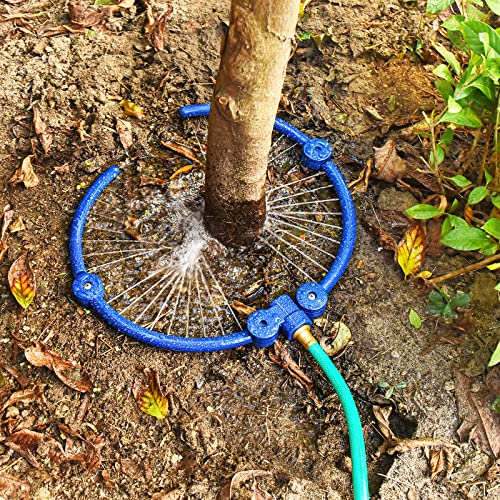
【Specially Designed for Trees and Shrubs】 The Watering Ring is a multi-purpose irrigation ring that attaches to a garden hose to efficiently water young trees shrubs vegetables or flower beds using drip or trickle irrigation.It directs water to the root perimeter of the plant to give them a good start during the first two growing seasons or through periods of drought.
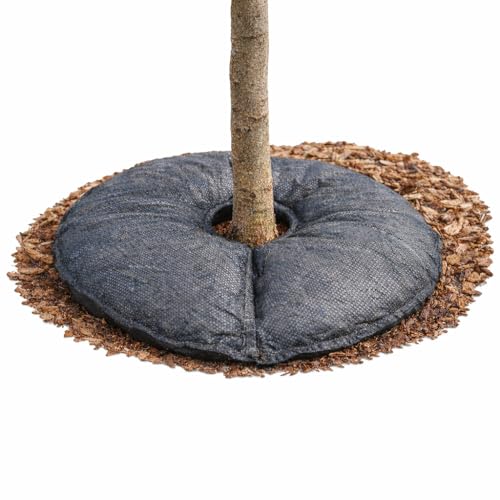
For Plants and Trees that with root balls about 12” in dia., (11-15”, e.g. 3-10 Gallon Container Sizes have top diameters between 11-15”) - Uses 99% LESS WATER than traditional tree bag over the course of multiple seasons for better establishment of the newly planted trees and shrubs! When the plant root ball is larger than 15”, the 36”, 48”, or multiple units of these larger sized SteadySpring Tree Mats are recommended to cover an area double of the root ball size or at least 20” larger than the root ball.

4-Hole Side Design: This high-performance tree watering spike makes it easy to deliver water and fertilizer directly to the root zone. The upgraded side-hole design helps improve watering efficiency, while the sharp tip makes it easy to push into hard or compact soil. The 4 side outlets help reduce clogging and distribute water more evenly for deep root watering and feeding.
Do plum trees need a lot of water?
Watering your plum tree is important to ensure good growth and production. Water deeply once every two to four weeks to saturate the root system. allow the soil to dry out a bit in between watering. for best results, give your plum tree at least one inch of water per week.
The ideal time to plant a plum tree is in early spring, before the tree breaks dormancy. Transplant shock frequently happens during the planting process, but fruit trees experience less shock if planted during dormancy. less shock if you plant them during dormancy.
Recommended Products

【Unique Design Deep Root Tree Watering Tool】 Our root watering tool have four exit hole for the water,won't got clogged easily,It made of stainless steel,not rusting from the inside out.It can leave in the soil and is strong enough to drive through gravel,help your plants build a strong root system .

Deep Root Irrigation with 4-Hole Design – Sharp stainless steel tip helps enter most garden soils, while the 4 side-hole outlet helps reduce clogging and delivers water or liquid fertilizer deeper into the root zone for backyard trees, fruit trees, and garden plants.

Quick & Easy Filling: No adjustments required and kid friendly operation for hassle-free watering
Do flowering plum trees have deep roots
A plum tree has a relatively shallow root system when compared to other trees. The majority of its roots are found in the top 12-18 inches of soil, which helps to explain why they are not known for causing problems like heaving sidewalks. While a plum tree’s root system is not notorious, it is important to be aware of its location when planting in order to avoid any damage to nearby structures or utilities.
The Crabapple tree is a popular choice for many growers because of its beautiful spring flowers and rich leaf color. In terms of care, it is important to water the tree throughout the growing season, April through October, without sufficient rainfall. This tree also benefits from regular feeding and pruning. However, it can be a messy tree if fruit forms in spring.
Is flowering plum messy?
Thundercloud Plum is a beautiful, flowering tree that can add major curb appeal to your home. But there are a few things you should know before planting one. First, the fruit can be messy and their surface roots can cause problems with sidewalks and other concrete surfaces. Secondly, they are short-lived trees with an expected lifespan of only 20 years in an urban environment. Lastly, they are susceptible to insect and disease problems.
When choosing a rootstock for your fruit tree, consider how big the tree will ultimately be. For dwarf rootstocks, that means a height of 3 meters or so. For vigorous rootstocks, allow for a height of 6 meters or more. This will help ensure that your tree has the necessary support to thrive.
What is the lifespan of an ornamental plum tree
The plum is a fruit that has many different benefits. It is a good source of vitamins and minerals, and it can also help to regulate blood sugar levels. Additionally, the plum can help to improve digestion and reduce inflammation. The fruit is also known to have anti-cancer properties. The plum is a popular choice for10-25 year oldshomemade jams and jellies.
Purple leaf plum trees can be a beautiful addition to any landscape. However, they are known to be susceptible to a large number of diseases. Some of the most common diseases include black knot, leaf spot, die back, leaf curl, powdery mildew, root rot and fireblight. If you are considering adding a purple leaf plum tree to your landscape, be sure to research the best way to care for it and to stay on top of any potential diseases.
What is the average life span of a flowering plum tree?
The flowering plum is a short-lived tree with an average lifespan of about 20 years. The tree is susceptible to fungal diseases, so do not overwater and allow the tree to sit with “wet feet.” You can lessen the chance of fungal diseases occurring on the foliage by taking extra care not to spray the leaves when watering.
It is important to prune plum trees every year in early spring, before bud break. This will help to encourage new growth and also keep the tree healthy. Suckers should be removed from the rootstock, and any buds growing on the lower trunk should be rubbed out. Any dead, damaged or diseased wood should be cut out and disposed of as appropriate.
What is the hardiest plum tree
This plum tree is perfect for anyone who wants to enjoy delicious, sweet plums without having to worry about the tree being too delicate. The Brookgold plum tree is hardy and can thrive in harsh climates, making it a great option for those in colder areas.
Plums are a wonderful fruit to enjoy fresh, in baked goods, or preserved. Most plum trees need another plum tree nearby in order to pollinate and produce fruit, so be sure to plant at least two different varieties. When selecting plum trees for your garden, consider which varieties will thrive in your particular climate. With proper care, your plum trees will bear fruit for many years to come!
Do plum trees bear fruit the first year
Three to six year old plum trees usually start bearing fruit. In some varieties, the fruit develops earlier and you can even see baby plums appearing earlier. The fruit will keep getting bigger until it reaches maturity.
If you want to grow healthy plum trees, there are a few things you need to keep in mind. Firstly, they require full sun in order to thrive. Secondly, the soil must be well-drained and sandy. Lastly, the soil should have a pH that ranges from 55 to 65. If you can provide these conditions, then you should have no trouble growing plum trees.
Can 1 plum tree produce fruit
if you want your plum trees to bear fruit, you will need to plant at least two different varieties of plum trees. This is because plum trees do not self-pollinate, and cross-pollination is necessary for fruit production. Make sure to choose varieties that are compatible with each other in order to ensure successful pollination.
The mulch is an excellent way to keep weed growth down. It also creates a cool barrier on the ground surface, which helps to keep the soil moist and cool. This is a great way to keep your garden looking tidy and neat.
How do you care for a flowering plum tree
When selecting a site to grow an ornamental plum tree, it is important to choose a location that receives full sun. This will help to ensure that the foliage remains brightly colored and that the flowers are of the best quality. It is also important to ensure that the soil is well-drained and that the tree is protected from strong winds. In shady locations, the foliage of the tree is likely to remain green. Therefore, it is best to provide the tree with plenty of space to ensure that the roots have room to grow.
If you’re looking to add a touch of beauty and elegance to your yard, consider planting a plum tree. These trees are relatively easy to raise and require little pruning. However, they don’t do well in areas with excessive frost or strong winds. The biggest problem with plum trees is that they tend to overproduce. This can be remedied by thinning the branches and fruit. With a little care, plum trees can make a lovely addition to any landscape.
Warp Up
Flowering plum trees typically grow quite rapidly, often achieving a growth rate of 2 to 3 feet per year. However, it is important to note that the precise growth rate of a flowering plum tree will vary based on factors such as the tree’s age, species, health, and growing conditions.
The flowering plum tree is a fast-growing tree that can reach heights of up to 20 feet in just a few years. These trees are known for their ornamental flowers and their beautiful foliage. While they are not the longest-lived trees, they are a beautiful addition to any home or garden.
