

Growing plum trees in pots in Florida requires careful management of high humidity levels. To thrive, these trees need proper watering, ventilation, and pest control strategies tailored to humid environments. This guide provides essential tips for successfully cultivating plum trees in pots while managing Florida’s unique climate conditions.
Managing Humidity for Potted Plum Trees
Managing humidity is crucial for the health of potted plum trees in Florida’s tropical climate. High humidity levels can lead to various challenges, including fungal diseases and poor fruit development. Understanding how to regulate moisture and create an ideal environment will ensure your plum trees thrive despite the region’s weather conditions.
Plum trees are sensitive to environmental factors, particularly humidity. In Florida, high humidity can lead to fungal diseases and poor fruit development.
Understanding how humidity affects your plum tree is crucial for successful cultivation. Proper management techniques can help mitigate these challenges.
High Humidity Impacts on Potted Plum Trees
High humidity in Florida presents unique challenges for potted plum trees, affecting their growth and health. Understanding how excessive moisture influences these trees is crucial for successful cultivation. This section delves into the specific impacts of high humidity on potted plum trees, offering insights for optimal management in Florida’s climate.
High humidity can cause several issues for plum trees. These include:
Increased risk of fungal infections
Poor fruit set and development
Leaf drop and overall stress
Monitoring humidity levels and taking preventive measures can help maintain tree health.
Humidity Management Strategies for Potted Plum Trees
Managing humidity is crucial for the health of potted plum trees in Florida’s warm climate. High humidity can lead to various challenges, including fungal diseases and poor fruit development. This section explores effective strategies to maintain optimal humidity levels, ensuring your plum trees thrive in their container environment.
| Symptom | Primary Suspect | Difficulty (1-5) |
|---|---|---|
| Leaf curl | Fungal infection | 3 |
| Poor fruit set | High humidity | 4 |
| Brown spots | Leaf spot disease | 5 |
| Wilting | Overwatering | 2 |
Pot and Soil Choices for Florida Plum Trees
Selecting the right pot and soil is crucial for the success of plum trees grown in containers, especially in Florida’s humid climate. The combination of appropriate materials and drainage solutions can significantly impact the health and growth of these trees. Understanding these choices will help ensure that your potted plum trees thrive in their environment.
Choosing the right pot and soil is vital for plum tree health. A well-draining pot allows excess moisture to escape, preventing root rot. Opt for a pot that is at least 18 inches in diameter to accommodate root growth.
Optimal Potting Mix for Florida Humidity
When growing plum trees in pots in Florida’s humid climate, selecting the right potting mix is crucial for their health and productivity. The ideal mix should provide excellent drainage while retaining enough moisture to support growth. Understanding the specific needs of plum trees in this environment will help ensure they thrive despite the challenges posed by high humidity.
A suitable potting mix should include:
Peat moss for moisture retention
Perlite for aeration
Compost for nutrients
Using a mix with these components will help balance moisture levels while providing essential nutrients.
Watering Strategies for Potted Plum Trees
Proper watering is crucial for the health of potted plum trees, especially in Florida’s high humidity. Understanding the unique needs of these trees can help ensure they thrive in containers. This section explores effective watering strategies tailored to maintain optimal moisture levels while preventing issues like root rot.
Watering practices must be adjusted for high humidity. Overwatering can lead to root rot, while underwatering can stress the tree.
Recommended Products

Accurate Soil Moisture Detection: The XLUX Soil Moisture Meter can tell you if the soil deep inside your pot or garden is dry, moist or wet; whereas your eyes and fingers can only determine the moisture level of the soil surface. The probe is 5.5 inches (14 cm) longer than regular styles, allowing it to measure the soil moisture at the bottom of larger and deeper flower pots.

【4 in 1 function】This is a 4-in-1 multifunctional soil tester.Our soil tester fastly to measure soil moisture, pH, temperature and sunlight to help you take better care of flowers and plants.You can know when you need to water your soil by measuring moisture and pH & Temperature value of the soil and sunlight level of plants with it.
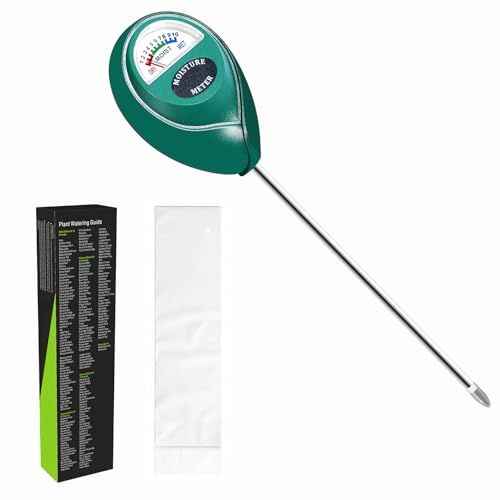
Trusted Since 2015: Become one of the many plant lovers who rely on the proven accuracy of XLUX. Established in 2015, our soil moisture meter has earned over 60,000+ verified ratings for its consistent performance. While many many newer brands come and go, we provide the long-term reliability and quality that American households have trusted for over a decade.
Moisture Meter Usage for Potted Plum Trees
Managing potted plum trees in Florida’s high humidity requires careful attention to moisture levels. Utilizing a moisture meter can provide valuable insights into the soil’s hydration status, ensuring that your trees receive the right amount of water without the risk of overwatering. This tool is essential for maintaining healthy growth and fruit production in challenging conditions.
Check soil moisture regularly with a moisture meter.
Water deeply but less frequently to encourage deep root growth.
Adjust watering frequency based on rainfall and humidity levels.
Creating a consistent watering schedule will help maintain optimal moisture levels.
Watering Schedule for Potted Plum Trees
Proper watering is essential for the health of potted plum trees in Florida’s humid climate. Understanding the right schedule can prevent overwatering or underwatering, ensuring your trees thrive. This section outlines effective strategies for maintaining optimal moisture levels in your potted plum trees throughout the growing season.
| Day of Week | Watering Amount | Notes |
|---|---|---|
| Monday | 2 gallons | Check for drainage |
| Wednesday | 1 gallon | Adjust based on humidity |
| Friday | 2 gallons | Monitor soil moisture |
Pest Management for Potted Plum Trees
Managing pests is crucial for the health of potted plum trees in Florida’s humid climate. High humidity can create an ideal environment for various pests, making it essential to implement effective strategies. Understanding common threats and preventive measures will help ensure your trees thrive despite the challenges posed by their surroundings.
High humidity can attract pests that threaten plum trees. Regular monitoring and preventive measures are essential for keeping pests at bay.
Pest Management Strategies for Potted Plum Trees
Managing pests is crucial for the health of potted plum trees, especially in Florida’s humid climate. Effective strategies can help protect these trees from common threats, ensuring they thrive despite the challenges posed by high moisture levels and heat. Understanding these pest management techniques will empower gardeners to maintain vibrant and productive plum trees in their pots.
Aphids: Use insecticidal soap to eliminate infestations.
Spider mites: Increase humidity around the plant to deter them.
Fungal gnats: Allow the soil to dry out between waterings.
Implementing these strategies will help protect your plum tree from damage.
Ventilation Strategies for Humid Conditions
Managing plum trees in pots in Florida’s high humidity requires effective ventilation strategies to ensure healthy growth. Proper airflow helps prevent fungal diseases and promotes optimal conditions for fruit development. Understanding these techniques is essential for any gardener looking to cultivate thriving plum trees in a challenging climate.
Good air circulation is crucial for preventing fungal diseases. High humidity levels can lead to stagnant air, which fosters disease growth.
Airflow Strategies for Potted Plum Trees
Managing airflow is crucial for the health of potted plum trees in Florida’s humid climate. Proper airflow helps prevent fungal diseases and promotes healthy growth, making it essential to implement effective strategies. This section explores various techniques to enhance airflow around your potted plum trees, ensuring they thrive despite the challenges of high humidity.
Position pots in a location with good airflow.
Use fans in enclosed spaces to circulate air.
Prune excess foliage to enhance airflow around the tree.
Ensuring proper ventilation can significantly reduce disease risk.
Fertilizer Selection for Potted Plum Trees
Choosing the right fertilizer is crucial for the health of potted plum trees in Florida’s humid climate. The specific nutrient needs of these trees can vary based on their growth stage and environmental conditions. Understanding which fertilizers to use will help ensure robust growth and fruit production.
Fertilization is key to maintaining healthy plum trees in pots. A balanced fertilizer will provide essential nutrients for growth and fruit production.
Best Fertilizers for Potted Plum Trees
Selecting the right fertilizer is crucial for the health and productivity of potted plum trees in Florida’s humid climate. The unique conditions can affect nutrient availability, making it essential to choose fertilizers that support growth and fruit development. This section explores the best fertilizer options tailored for potted plum trees, ensuring they thrive despite the challenges of high humidity.
Slow-release granular fertilizers for consistent nutrient supply.
Liquid fertilizers for quick nutrient uptake during growing seasons.
Follow the manufacturer’s instructions for application rates to avoid over-fertilization.
Humidity Management for Potted Plum Trees
Monitor your plum trees regularly for signs of stress or disease. Adjust your care routine based on environmental conditions. Keeping a close eye on humidity levels, watering practices, and pest control will ensure a thriving plum tree in a pot.
Maintaining healthy plum trees in Florida’s high humidity is achievable with proper management techniques.
