

Persimmon trees can grow in North Dakota with careful selection of cold-hardy varieties and proper winter protection. Choosing the right species and implementing effective strategies can enhance their chances of survival in extreme cold conditions.
Cold-Hardy Persimmons for North Dakota
Selecting the right persimmon variety is crucial for successful growth in North Dakota’s harsh climate. The two main types are American persimmons and Asian persimmons. American persimmons are generally more cold-tolerant, while certain Asian varieties can also thrive if protected adequately.
American Persimmon: This species can withstand temperatures down to -25°F.
Asian Persimmon: Some cultivars can tolerate temperatures as low as -10°F with proper care.
| Variety Type | Cold Tolerance | Flavor Profile | Ripening Time |
|---|---|---|---|
| American | -25°F | Sweet, rich | Late fall |
| Asian | -10°F | Mild, sweet | Early fall |
Recommended Products
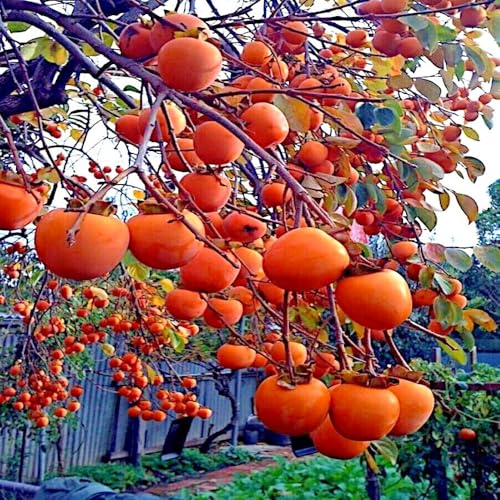
Cold Hardiness: Cold hardy Diospyros seeds survive temperatures down to 10°F once established; Suitable for growing in USDA zones 7-10; More tolerant of temperature fluctuations than many other fruit trees

Very Hardy Persimmon Tree Live Plant, Cold Hardy and Sweet American Persimmon, 1 Year Old 6-12" Plant

2 Cold Hardy Persimmon Trees Live Fruit Plants, 6-14" Tall Well-rooted, American Persimmon Tree
Persimmon Tree Cold Weather Strategies
Growing persimmon trees in North Dakota presents unique challenges due to the region’s extreme cold. However, with the right strategies, these trees can survive and even thrive despite harsh winter conditions. This section explores effective methods for protecting persimmon trees from freezing temperatures and ensuring their resilience throughout the cold season.
Preparation is key for ensuring the survival of persimmon trees during extreme cold. Proper site selection and planting techniques can significantly affect their resilience.
Choose a sheltered location: Plant trees near a windbreak or building to reduce exposure to harsh winds.
Soil preparation: Ensure well-draining soil to prevent root rot during winter.
Mulching: Apply a thick layer of organic mulch around the base to insulate roots.
Recommended Products

Sturdy Material, Porous and Breathable: our tree wrap is made of jute burlap material. It was light weight so it didn't hurt the plants and keeping them warm saved them from freezing, and dries faster than most wraps after it gets wet so the danger of rotting is broken

Larger Size: The size of our burlap winter plant cover bags is 40 × 47 inch, which are larger and more suitable for most of plants, besides, the mouth of it is about 36 inches, and will provide great convenience for put on or take off, and minimize the damage to your adorable plants.

[VALUE 5 PACK]:You will receive 5 large burlap plant cover bags, each measuring 32 X 40 inches. This ample quantity and rustic design ensure you have enough covers to protect your plants throughout winter, with added convenience for replacement. Perfect for various garden sizes and tree types.
Winter Protection Strategies for Persimmon Trees
Persimmon trees, known for their vibrant fruit and unique beauty, face significant challenges in North Dakota’s harsh winters. To ensure their survival, specific winter protection strategies are essential. Understanding these methods can help gardeners successfully cultivate persimmons in a region where extreme cold can threaten their growth.
Winter protection strategies can help persimmon trees endure freezing temperatures. These methods can prevent frost damage and ensure the trees remain healthy.
Wrap trunks: Use tree wrap or burlap to shield the trunks from extreme cold and sunscald.
Cover with burlap: Create a protective barrier around the tree, especially for younger specimens.
Watering: Water trees well before the ground freezes to ensure they have adequate moisture reserves.
Pest and Disease Monitoring Strategies
Effective pest and disease monitoring is crucial for the successful cultivation of persimmon trees in North Dakota’s harsh climate. Given the unique challenges posed by extreme cold, understanding how to identify and manage potential threats can significantly enhance tree health and productivity. This section outlines practical strategies for monitoring and addressing pest and disease issues specific to this region.
Pests and diseases can pose additional threats to persimmon trees in North Dakota. Regular monitoring can help mitigate these risks and maintain tree health.
Common pests: Watch for aphids, spider mites, and scale insects.
Diseases: Fungal infections such as leaf spot and root rot can occur.
Treatment: Use organic pesticides or fungicides as needed to control infestations.
Annual Health Assessment for Persimmon Trees
Assessing the annual health of persimmon trees is crucial for their survival in North Dakota’s extreme cold climate. This evaluation not only helps identify potential stress factors but also guides proper care and management practices to ensure these trees thrive despite harsh weather conditions. Understanding their health status can significantly impact their long-term viability in this challenging environment.
Regular assessment of tree health is essential for long-term success. This includes monitoring growth patterns and overall vitality.
Check for signs of stress: Look for yellowing leaves, stunted growth, or bark damage.
Pruning: Remove dead or diseased branches to promote healthy growth.
Fertilization: Apply a balanced fertilizer in early spring to support growth.
Planting Strategies for Cold Climates
Successfully planting persimmon trees in North Dakota requires careful consideration of the region’s extreme cold. Employing specific strategies can enhance the trees’ chances of thriving despite harsh winter conditions. Understanding these techniques will help ensure that your persimmon trees not only survive but also flourish in a challenging climate.
Understanding the logistics of planting persimmon trees in North Dakota can streamline your efforts. Timing and spacing are crucial for optimal growth.
Best planting time: Early spring after the last frost is ideal for planting.
Spacing: Allow at least 15-20 feet between trees to ensure proper air circulation.
Soil testing: Conduct a soil test to determine pH and nutrient levels before planting.
| Task | Recommended Action | Frequency |
|---|---|---|
| Soil Testing | Conduct before planting | Every 3 years |
| Pruning | Remove dead branches | Annually |
| Fertilizing | Apply balanced fertilizer | Early spring |
Successful Persimmon Cultivation Strategies
Growing persimmon trees in North Dakota poses unique challenges due to the region’s extreme cold. However, with the right cultivation strategies, it is possible to successfully nurture these trees despite harsh winter conditions. This section explores effective techniques to enhance persimmon survival and productivity in a climate that is often unforgiving.
Successfully growing persimmon trees in North Dakota requires diligence and care. The right variety, preparation, and ongoing maintenance are essential for thriving trees.
Monitor growth closely and adjust care strategies as needed. The effort invested in understanding and protecting your persimmon trees will yield rewarding results.
