

Growing pear trees in Indiana requires careful selection of varieties suited for the Hoosier climate. Choosing the right cultivars ensures successful growth and fruit production. This guide covers essential steps and considerations for cultivating pears in Indiana.
Best Pear Varieties for Indiana’s Climate
When selecting pear trees for Indiana’s unique climate, it’s essential to choose varieties that thrive in the region’s conditions. The following options have proven to be resilient and productive, offering the best potential for successful growth and fruit production in the Hoosier State. Understanding these varieties will help ensure a fruitful harvest for local gardeners and orchardists alike.
Indiana’s climate presents unique challenges for growing pear trees. The state experiences cold winters and warm summers, making it crucial to select varieties that can withstand these conditions. The following varieties are particularly well-suited for Indiana:
Bartlett: Known for its sweet flavor and smooth texture, this variety ripens in late summer.
Bosc: Recognizable by its brownish skin and firm flesh, Bosc pears are excellent for cooking and baking.
Anjou: This variety is versatile, offering both green and red options, with a juicy, sweet taste.
Kieffer: A hardy pear that is resistant to disease and can thrive in various soil types.
| Variety | Ripening Time | Flavor Profile | Best Use |
|---|---|---|---|
| Bartlett | Late summer | Sweet | Fresh eating |
| Bosc | Fall | Firm, spicy | Cooking |
| Anjou | Late summer | Juicy | Fresh eating |
| Kieffer | Late summer | Mild | Canning, baking |
Site Selection for Pear Tree Growth
Choosing the right site for growing pear trees in Indiana is crucial for their success. Factors such as soil quality, sunlight exposure, and drainage play significant roles in ensuring healthy growth and fruitful yields. Understanding these elements will help you create an optimal environment for your pear trees to thrive in the Hoosier State.
Proper site preparation is essential for the successful growth of pear trees. Choose a location that receives full sunlight for at least six hours a day.
Ensure the soil is well-draining to prevent root rot. Follow these steps to prepare your planting site:
Test Soil: Conduct a soil test to check pH and nutrient levels.
Amend Soil: Add organic matter like compost to improve soil structure.
Clear Area: Remove weeds, rocks, and debris from the planting site.
Dig Holes: Prepare holes that are twice the width and depth of the root ball.
Pear Tree Planting Techniques for Indiana
Successfully planting pear trees in Indiana requires an understanding of the local climate and soil conditions. This section outlines essential techniques tailored to the Hoosier State, ensuring that your pear trees thrive in their new environment. From site selection to planting depth, these guidelines will help you establish a healthy foundation for your orchard.
Planting pear trees correctly is vital for their establishment and growth. Follow these steps to ensure proper planting:
Position Tree: Place the tree in the center of the hole, ensuring the graft union is above soil level.
Backfill Soil: Fill the hole with soil, gently packing it around the roots to eliminate air pockets.
Water Thoroughly: After planting, water the tree deeply to help settle the soil.
Apply Mulch: Add a layer of mulch around the base to retain moisture and suppress weeds.
Recommended Products

✂Multifunctional -2 in 1 Garden Grafting Tools-Professional grafting set allows you to pruning and grafting at the same time, saving more time and effort than traditional grafting methods, easy to use and more efficient. It allows you to trim away excess leaves and twigs and prepare the plants to be grafted. At the same time, you can make a precise cut into the grafting stock with the special grafting blade.

ERGONOMIC & EFFORT-SAVING DESIGN – This sod plugger / bulb planter features a comfortable grip handle with a one-button soil release mechanism, making planting, transplanting, and soil discharge easier and faster, while reducing hand fatigue.

Precise Seed Planting: Designed for an accurate and efficient planting experience, the Berry&Bird Hand Dibber allows for exact placement of seeds and seedlings. Simply push the tip into the soil to create consistent small holes to plant seeds or for small transplants in soil. Perfect for gardeners who value precision in their planting.
Watering Techniques and Fertilization Tips for Pear Trees
Proper watering and fertilization are crucial for the successful growth of pear trees in Indiana’s varying climate. Understanding the specific needs of these trees will help ensure they thrive and produce abundant fruit. This section provides essential techniques and tips to optimize water usage and nutrient delivery for healthy pear tree development.
Regular watering and fertilizing are crucial for the health of pear trees. Establish a routine that meets their needs:
Watering Schedule: Water young trees weekly during dry spells. Mature trees require less frequent watering.
Fertilization: Use a balanced fertilizer in early spring to promote growth. Follow the manufacturer’s instructions for application rates.
| Season | Action | Frequency |
|---|---|---|
| Spring | Fertilize | Once |
| Summer | Water young trees | Weekly |
| Fall | Reduce watering | As needed |
Recommended Products
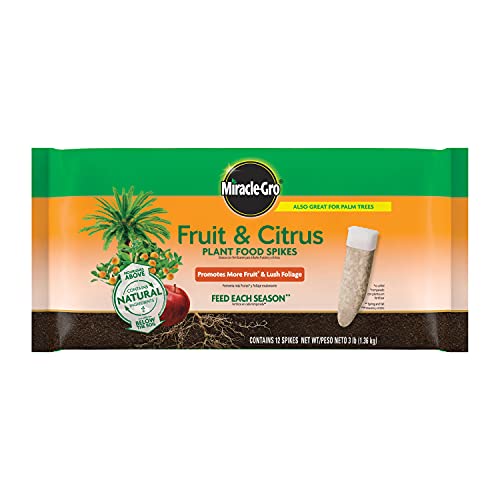
FORMULATED FOR CITRUS AND FRUIT TREES: Use these citrus fertilizer spikes on apple, orange, lemon, lime, and avocado trees; this formula is also great for feeding palm trees

Supports Fruit Production & Growth – Helps promote consistent fruit development, healthy foliage, and overall tree performance.
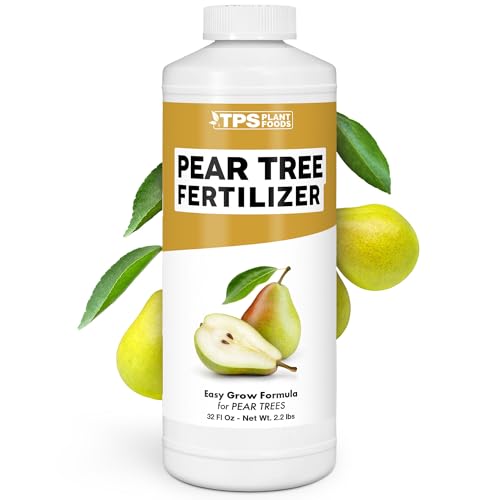
Supports Fruit Production & Growth – Helps promote consistent fruit development, healthy foliage, and overall tree performance.
Pest and Disease Prevention for Pear Trees
Maintaining the health of pear trees in Indiana requires vigilance against various pests and diseases that can threaten their growth and fruit production. Understanding the specific challenges faced in the Hoosier State is essential for effective prevention strategies. This section will explore the most common threats and provide practical solutions to safeguard your pear trees.
Pests and diseases can threaten the health of pear trees. Implement preventive measures to minimize risks:
Inspect Regularly: Check for signs of pests like aphids or pear psylla.
Use Insecticidal Soap: Apply insecticidal soap as needed to control infestations.
Monitor for Fungal Diseases: Look for signs of fire blight or powdery mildew, and treat with appropriate fungicides.
Recommended Products

READY-TO-USE CONTACT SPRAY: No mixing required. Thoroughly spray insecticide on all plant parts, including the underside of leaves. Pests must be sprayed directly to achieve control
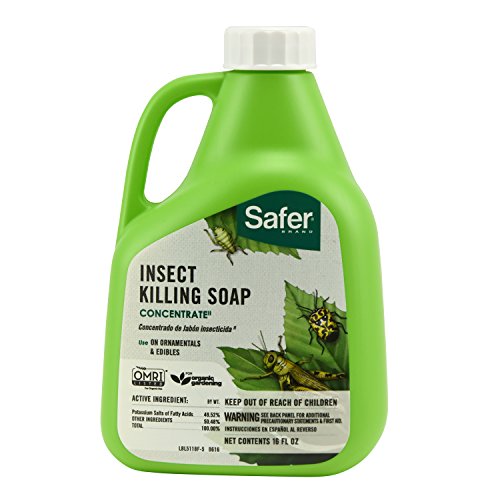
GENTLE ON MOST PLANTS - This aphid spray is ideal for use on flowers, herbs, vegetables, houseplants, lawn, tree, shrubs, and more

Control diseases and insects in your garden with Captain Jack’s Fruit Tree Spray Concentrate! Use on a variety of listed fruits, nuts and citrus plants.
Optimal Harvesting and Storage Techniques for Pears
Harvesting and storing pears properly is essential for maximizing their flavor and longevity, especially in Indiana’s unique climate. Understanding the right timing and techniques can significantly enhance the quality of your harvest. This section will provide practical advice on when to pick your pears and how to store them effectively for the best results.
Harvesting pears at the right time ensures optimal flavor and texture. Follow these guidelines for harvesting and storage:
Harvest Timing: Check for ripeness by gently twisting the fruit. If it comes off easily, it’s ready.
Storage Conditions: Store harvested pears in a cool, dark place to prolong freshness. Refrigeration can extend their shelf life.
Do not leave pears on the tree too long, as over-ripening can lead to fruit drop and spoilage.
