

Growing cherry trees in Lexington, KY requires understanding the unique characteristics of Bluegrass soil. Proper amendments and care can significantly enhance growth and fruit production. This guide provides essential insights and practical steps to cultivate healthy cherry trees in this region.
Bluegrass Soil Characteristics for Cherry Trees
Bluegrass soil in Lexington is often clay-heavy, which can lead to drainage issues. This soil type typically has a pH level between 6.0 and 7.0, making it suitable for cherry trees. However, amendments may be necessary to improve drainage and nutrient availability.
Soil Testing for Cherry Tree Nutrition
Understanding the soil composition is crucial for successfully growing cherry trees in Lexington, KY. Soil testing provides valuable insights into nutrient levels, pH balance, and organic matter content, ensuring that you can tailor your care to meet the specific needs of your trees. This section will guide you through the importance of soil testing and how to interpret the results for optimal cherry tree nutrition.
Conducting a soil test is crucial for determining nutrient levels and pH. This will help you identify specific amendments needed for your cherry trees.
| Test Type | Purpose | Recommended Frequency |
|---|---|---|
| pH Test | Determine acidity | Every 2-3 years |
| Nutrient Test | Check nutrient levels | Every year |
| Texture Test | Assess drainage | Every 3 years |
Cherry Tree Soil Amendments for Bluegrass Region
When cultivating cherry trees in Lexington, KY, understanding the specific soil amendments needed for the Bluegrass region is crucial. The unique soil composition and climate conditions in this area can significantly impact tree health and fruit production. This section explores essential amendments to enhance soil quality and support robust cherry tree growth.
Based on soil test results, you may need to amend your soil. Common amendments include:
Compost: Improves soil structure and adds nutrients.
Lime: Raises pH if soil is too acidic.
Sulfur: Lowers pH if soil is too alkaline.
Organic matter: Enhances drainage and nutrient retention.
Best Cherry Tree Varieties for Lexington Soil
Choosing the right cherry tree variety is essential for successful growth in Lexington’s unique bluegrass soil. The local climate and soil conditions can significantly impact the health and yield of your cherry trees, making it crucial to select varieties that thrive in this environment. Here are the best options to consider for optimal results.
Choosing the right variety is essential for successful growth. Some varieties are better suited for the climate and soil conditions in Lexington.
Recommended Products
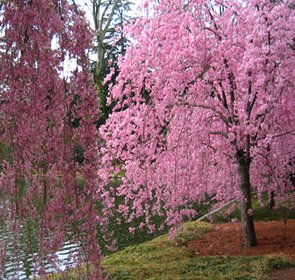
Do not transplant into another container, only the ground. These are ready to plant and should be put in the ground according to the included instructions upon arrival. All pictures are of fully grown plants. Sizes shipped are in the title and description. Deciduous plants do not have leaves in the winter.

🍒 3 BLACK CHERRY TREES (PRUNUS SEROTINA): Grow a fast-growing native fruit tree known for producing dark cherries for eating and cooking, and supporting local ecosystems, wildlife, and pollinators.
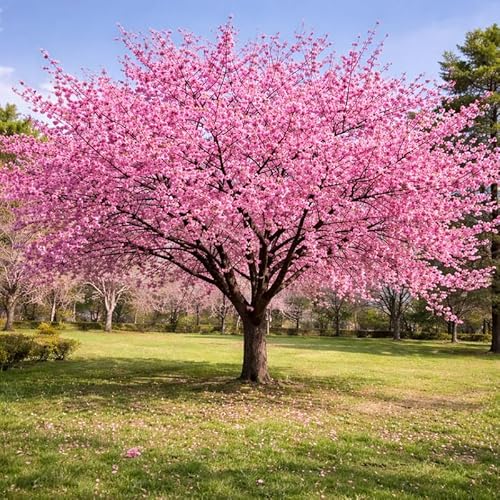
WHAT YOU WILL RECEIVE: A Cherry Blossom Tree live plant, arrived as a young starter tree suitable for transplanting into garden beds or outdoor containers.
Top Cherry Tree Varieties for Bluegrass Soil
When selecting cherry tree varieties for the unique conditions of Bluegrass soil in Lexington, KY, it’s essential to consider those that thrive in this specific environment. The right choice can enhance growth and fruit production, ensuring a bountiful harvest. Explore the top cherry tree varieties that are well-suited for the region’s soil and climate.
Bing: Popular for sweet cherries, requires full sun and well-drained soil.
Montmorency: Tart cherries ideal for pies, thrives in slightly acidic soil.
Stella: Self-pollinating variety, suitable for smaller spaces.
Cherry Tree Planting Techniques in Bluegrass Soil
Planting cherry trees in Lexington, KY requires an understanding of the unique characteristics of Bluegrass soil. This section explores effective techniques tailored to the region, ensuring optimal growth and fruit production. By following these methods, you can cultivate healthy cherry trees that thrive in the local environment.
Proper planting techniques are vital for establishing healthy trees. Follow these steps for optimal results:
Choose a location: Select a sunny spot with good air circulation.
Prepare the hole: Dig a hole twice as wide as the root ball and the same depth.
Add amendments: Mix compost and other amendments into the soil.
Plant the tree: Position the tree so the root crown is level with the soil surface.
Water thoroughly: Ensure the tree is well-watered after planting.
Cherry Tree Watering and Fertilization Tips
Proper watering and fertilization are crucial for cherry trees to thrive in the unique climate and soil conditions of Lexington, KY. Understanding the specific needs of these trees will help ensure healthy growth and abundant fruit production. The following tips will guide you in providing the right care for your cherry trees.
Regular watering and fertilization are crucial for cherry tree health.
Recommended Products

Leak-Proof Connector Durability: Designed with 3/4" solid brass connectors to prevent water leaks and provide enhanced durability for hose long-term use, making this an ideal choice for soaker hoses, drip hoses, and irrigation hoses.

Premium Soaker Hose for Efficient Deep Root Watering Our Araiozora soaker hose provides slow, steady water release directly to plant roots, reducing water waste and promoting healthier growth for flowers, vegetables, shrubs, and landscaping.

1/2" Water-Saving & Durable Construction with Upgraded Formula: Our enhanced soaker hose blend delivers ultra-consistent water seepage while maximizing water savings, plus improved tensile strength, durability, and flexibility. It’s easy to handle, resistant to kinks, and built to stand up to long-term use in lawns, yards, landscaping, and tree watering applications.
Deep Watering Techniques for Cherry Trees
Deep watering is essential for the healthy growth of cherry trees, especially in the unique climate and soil conditions of Lexington, KY. This technique ensures that the roots receive adequate moisture, promoting strong development and resilience. Understanding effective deep watering methods can significantly enhance the vitality of your cherry trees in the Bluegrass region.
Frequency: Water deeply once a week during dry spells.
Method: Use a soaker hose to avoid wetting the foliage.
Signs of Stress: Yellowing leaves indicate overwatering or nutrient deficiencies.
Spring Fertilization for Cherry Trees
Spring is a crucial time for nurturing cherry trees, especially in the unique Bluegrass soil of Lexington, KY. Proper fertilization during this season can significantly enhance growth and fruit production. Understanding the specific nutrient needs of cherry trees will help ensure a thriving garden and a bountiful harvest.
Spring: Apply a balanced fertilizer as new growth begins.
Summer: Use a nitrogen-rich fertilizer to promote fruit development.
Fall: Avoid fertilizing late in the season to prevent new growth before winter.
Pest Control Strategies for Cherry Trees
Effective pest control is crucial for maintaining healthy cherry trees in Lexington, KY, where local pests can pose significant threats to their growth and fruit production. Understanding the specific challenges posed by the region’s climate and soil conditions can help gardeners implement targeted strategies to protect their trees and ensure a bountiful harvest.
Cherry trees can be susceptible to various pests and diseases. Regular monitoring and preventive measures are essential.
Recommended Products

BEST PURE NEEM OIL FOR PLANTS: Neem Oil Concentrate serves as the ideal neem oil spray for both indoor and outdoor ornamental plants. Crafted from 100% cold-pressed, top-notch organic neem oil, it provides your plants with the essential elements for a lustrous sheen

🐾【𝐍𝐀𝐓𝐔𝐑𝐀𝐋 𝐍𝐄𝐄𝐌 & 𝐏𝐄𝐏𝐏𝐄𝐑𝐌𝐈𝐍𝐓 𝐅𝐎𝐑𝐌𝐔𝐋𝐀】 Our botanical plant wash combines cold-pressed neem oil with refreshing peppermint oil to cleanse leaves and provide gentle plant protection for indoor and outdoor plants

An Organic Neem Oil Spray for Plants with a Powerful Essential Oil Blend (cedarwood, lemon, clove, cinnamon, eucalyptus, and rosemary) for healthier plants every time you spray. Big Leaf Energy is a multi-purpose spray for healthier, more resilient leaves and soils—and it smells amazing.
Cherry Tree Pest Management Strategies
Effective pest management is crucial for the successful cultivation of cherry trees in Lexington, KY. Understanding the specific challenges posed by local pests can help growers implement targeted strategies. By focusing on prevention and control methods tailored to the region’s unique conditions, cherry tree enthusiasts can ensure healthier trees and a more fruitful harvest.
Aphids: Use insecticidal soap or neem oil.
Cherry Fruit Fly: Apply traps and remove fallen fruit.
Spider Mites: Increase humidity and use miticides if necessary.
Fungal Disease Management for Cherry Trees
Fungal diseases can pose significant challenges for cherry tree cultivation in Lexington, KY. Understanding the specific threats and implementing effective management strategies is crucial for maintaining healthy trees in the region’s unique bluegrass soil. This section will explore common fungal issues and practical solutions to ensure robust growth and fruitful harvests.
Fungal Diseases: Ensure good air circulation and avoid overhead watering.
Bacterial Canker: Prune affected branches and disinfect tools.
Cherry Tree Harvesting and Pruning Techniques
Successfully harvesting and pruning cherry trees in Lexington, KY requires an understanding of local climate and soil conditions. Proper techniques not only enhance fruit yield but also promote the overall health of the trees. This section will explore effective methods tailored to the unique challenges and opportunities presented by the Bluegrass region.
Proper harvesting techniques and pruning practices will enhance fruit quality and tree longevity.
Cherry Harvest Timing and Techniques
Understanding the optimal timing and techniques for harvesting cherries is crucial for growers in Lexington, KY. The unique climate and soil conditions of the Bluegrass region influence when cherries reach peak ripeness, and employing effective harvesting methods can significantly enhance both yield and fruit quality. This section delves into the best practices for a successful cherry harvest.
Timing: Harvest cherries when they are fully colored and firm.
Method: Gently twist and pull the fruit to avoid damaging the tree.
Pruning Techniques for Healthy Cherry Trees
Pruning is essential for maintaining the health and productivity of cherry trees, especially in the unique climate and soil conditions of Lexington, KY. Understanding the right techniques can help promote robust growth, enhance fruit quality, and prevent disease. This section will explore effective pruning methods tailored to the specific needs of cherry trees in the Bluegrass region.
When to Prune: Late winter or early spring before new growth.
Technique: Remove dead or crossing branches to improve airflow.
Regular maintenance and attention to soil health will ensure your cherry trees thrive in Lexington’s Bluegrass region.
