

Cherry trees thrive in Corpus Christi, TX due to their ability to tolerate Gulf Coast salt conditions. Selecting the right varieties and understanding their care requirements ensures successful growth and vibrant blooms in this coastal climate.
Coastal Cherry Tree Varieties for Salt Tolerance
Choosing the right cherry tree varieties is crucial for successful cultivation in coastal areas like Corpus Christi. Salt tolerance is a primary factor, as coastal winds can carry salt spray that negatively impacts many plants. The Bing and Stella varieties are popular choices, known for their resilience and fruit quality.
Coastal Cherry Tree Varieties for Saline Soils
In coastal regions like Corpus Christi, selecting the right cherry tree varieties is crucial for thriving in saline soils. These salt-tolerant options not only enhance the landscape but also contribute to local biodiversity. Understanding which varieties perform best in these conditions can help gardeners and landscapers make informed choices for successful cultivation.
Certain cherry trees excel in salt tolerance, making them ideal for coastal environments. These varieties can withstand the unique challenges posed by saline conditions. Here are some recommended options:
| Cherry Tree Variety | Salt Tolerance | Fruit Type | Bloom Time |
|---|---|---|---|
| Bing | Moderate | Sweet | Late Spring |
| Stella | High | Sweet | Late Spring |
| Black Tartarian | Moderate | Sweet | Early Summer |
| Rainier | High | Sweet | Late Spring |
Soil Preparation for Cherry Trees in Coastal Areas
Proper soil preparation is essential for cherry tree health. The soil should be well-draining to prevent root rot, which can be exacerbated by high salinity. Testing soil pH is also important, as cherry trees prefer a slightly acidic to neutral pH.
Soil Testing for Cherry Tree Growth
Soil testing is crucial for the successful growth of cherry trees in Corpus Christi, where the unique Gulf Coast environment presents both challenges and opportunities. Understanding the soil composition and nutrient levels can help ensure that these salt-tolerant trees thrive in the region’s coastal conditions, leading to healthier plants and better fruit production.
Test the soil for pH and salinity levels.
Amend the soil with organic matter to improve drainage.
Create raised beds if drainage is a concern.
Add mulch to retain moisture and suppress weeds.
Irrigation Techniques for Coastal Cherry Trees
Irrigating cherry trees in Corpus Christi requires a tailored approach due to the region’s unique coastal environment. Understanding effective irrigation techniques is essential for promoting healthy growth and fruit production while managing the challenges posed by salt exposure and variable rainfall. This section explores the best practices for ensuring these trees thrive in a Gulf Coast setting.
Watering practices significantly impact the growth of cherry trees in Corpus Christi. Given the salt exposure, it is vital to use freshwater for irrigation. Regular watering helps flush out excess salts in the soil.
Recommended Products
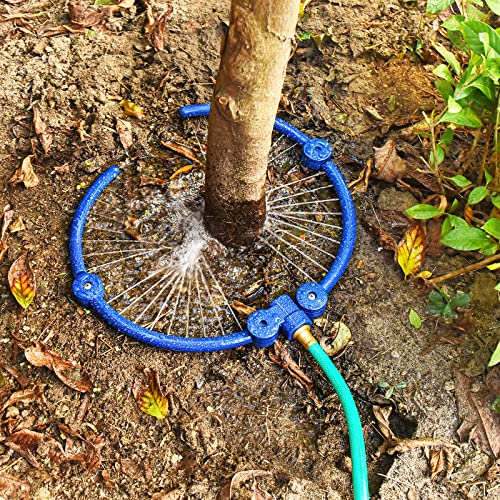
【Specially Designed for Trees and Shrubs】 The Watering Ring is a multi-purpose irrigation ring that attaches to a garden hose to efficiently water young trees shrubs vegetables or flower beds using drip or trickle irrigation.It directs water to the root perimeter of the plant to give them a good start during the first two growing seasons or through periods of drought.

Quick Connect Design: Newly Upgraded Quick Connect Irrigation System Say Goodbye to Complicated Settings! Our upgraded 4-way connectors, tees, and nozzles can now be easily connected directly to 1/4 "irrigation pipes. No more trouble with heating or softening - just plug and play!

【INNOVATIVE 2-IN-1 TREE CLEANING & ROOT WATERING SYSTEM】 This unique 6.5FT spray pipe system is specially designed to spray water directly onto fruits, leaves, and delicate ornamental trees, helping remove dust, pollen, and surface residue. The falling water then naturally soaks into the soil, providing efficient root irrigation at the same time
Deep Watering Techniques for Cherry Trees
Deep watering is essential for the health and growth of cherry trees, especially in the unique climate of Corpus Christi, Texas. This technique ensures that the roots receive adequate moisture, promoting resilience against the Gulf Coast’s salt-laden air and potential drought conditions. Understanding effective deep watering methods can significantly enhance the vitality of these trees in a challenging environment.
Water deeply once a week during dry spells.
Use drip irrigation systems to minimize salt accumulation.
Monitor soil moisture to avoid overwatering.
Fertilizer Strategies for Cherry Tree Growth
Fertilizing cherry trees in Corpus Christi requires a tailored approach due to the region’s unique Gulf Coast climate and salt exposure. Understanding the specific nutrient needs of these trees can enhance their growth and resilience, ensuring they thrive in this challenging environment. Effective fertilizer strategies will help optimize health and fruit production for local cherry tree cultivators.
Fertilization plays a key role in the health and productivity of cherry trees. Using the right type of fertilizer can enhance growth and fruit production. Look for fertilizers that are balanced and specifically formulated for fruit trees.
Fertilization Guidelines for Cherry Trees
Proper fertilization is essential for the health and productivity of cherry trees, especially in the unique Gulf Coast environment of Corpus Christi, Texas. Understanding the specific nutrient needs and timing for fertilization can significantly enhance growth and fruit quality, ensuring these salt-tolerant trees thrive in their coastal setting.
| Time of Year | Fertilizer Type | Application Rate |
|---|---|---|
| Early Spring | Balanced NPK | 1 lb per tree |
| Mid-Summer | High Potassium | 0.5 lb per tree |
| Late Fall | Organic Compost | 2-3 inches around base |
Cherry Tree Pest and Disease Control Strategies
Managing pests and diseases is crucial for the health of cherry trees in Corpus Christi, especially given the unique challenges posed by the Gulf Coast environment. This section outlines effective strategies tailored to combat common threats, ensuring that these salt-tolerant trees thrive despite potential adversities. Understanding these control methods will help maintain robust cherry tree populations in the region.
Pest and disease management is critical for maintaining healthy cherry trees. Common pests include aphids and cherry fruit flies, while diseases such as powdery mildew can also affect growth. Regular monitoring helps in early detection.
Pest Monitoring for Cherry Trees
Effective pest monitoring is crucial for maintaining the health of cherry trees in Corpus Christi, especially given the unique challenges posed by the Gulf Coast environment. Understanding common pests and their behaviors can help growers implement timely interventions, ensuring that these salt-tolerant trees thrive in the region’s coastal conditions. This section outlines key strategies for monitoring and managing pests effectively.
Inspect trees weekly for signs of pests.
Use insecticidal soap for aphid control.
Apply fungicides at the first sign of disease.
Encourage beneficial insects to reduce pest populations.
Optimal Cherry Harvest Timing and Techniques
Understanding the optimal timing and techniques for harvesting cherry trees in Corpus Christi is crucial for maximizing yield and quality. Given the unique Gulf Coast climate, specific strategies can enhance the success of your cherry cultivation. This section delves into the best practices for ensuring a fruitful harvest in this salt-tolerant environment.
Harvesting cherry trees at the right time ensures the best flavor and quality. Cherries should be picked when they are fully ripe, which is indicated by their vibrant color and firmness.
Harvesting Techniques for Corpus Christi Cherries
Harvesting cherries in Corpus Christi requires specific techniques tailored to the region’s unique Gulf Coast environment. Given the area’s salt-tolerant cherry varieties, understanding the best practices for picking and handling these fruits is essential for maximizing yield and maintaining quality. This section explores effective methods to ensure a successful cherry harvest in this coastal climate.
Check color for ripeness.
Gently twist the fruit to detach it from the stem.
Handle cherries carefully to avoid bruising.
Store harvested cherries in a cool place.
Healthy cherry trees can thrive in Corpus Christi with proper selection, care, and maintenance. Following these guidelines will help ensure a fruitful harvest while enjoying the beauty of cherry blossoms in the Gulf Coast region.
