

Cherry trees thrive in Omaha, NE, but require careful selection and maintenance to withstand the region’s midwestern winds and frost. Choosing hardy varieties and implementing protective measures can ensure successful growth and blooming.
Hardy Cherry Tree Varieties for Omaha
Omaha’s unique climate presents specific challenges for cherry tree cultivation, particularly with its fluctuating temperatures and potential frost. Understanding which hardy cherry tree varieties thrive in this Midwestern environment is essential for successful gardening. This section highlights the best options to ensure fruitful growth and resilience against local weather conditions.
When choosing cherry trees for Omaha, it is crucial to consider local climate conditions. The region experiences significant temperature fluctuations, which can affect tree health.
Opt for varieties known for their resilience against frost and wind. Recommended varieties include:
Bing Cherry
Lapins Cherry
Montmorency Cherry
These options are not only hardy but also produce high-quality fruit. Understanding their growth patterns can help in planning the planting site.
Recommended Products

Each offer includes one plant grown in a 4 inch pot
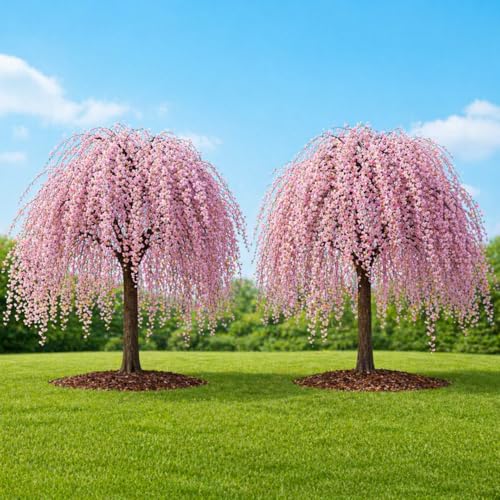
WHAT YOU WILL RECEIVE: 2 Cherry blossom tree live plant approximately 6 - 12 inches tall, prepared for transplanting into garden soil or outdoor containers
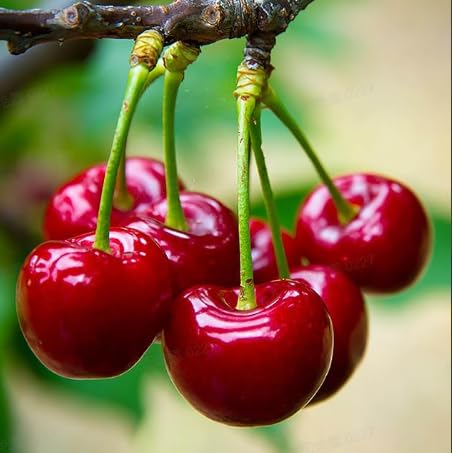
Basic Seed Attributes & Planting Scenarios: 20 Pcs Cherry Tree Seeds, non-GMO heirloom variety, with sweet and tender juicy fruits, suitable for home garden cultivation, and can be planted both indoors and outdoors.
Late-Blooming Cherry Varieties for Frost Protection
In Omaha, NE, late-blooming cherry varieties offer a strategic advantage for gardeners facing unpredictable Midwestern weather. These resilient trees are specifically bred to withstand late frosts, ensuring a more reliable fruit yield. Understanding these options can help local enthusiasts select the best varieties to thrive in the region’s unique climate challenges.
Frost can severely damage cherry blossoms, impacting fruit production. Trees that bloom early are particularly vulnerable.
Selecting late-blooming varieties can mitigate this risk. Consider the following factors:
Bloom Timing
Microclimates
Protective Planting Techniques
Planting in a sheltered area can provide additional protection. Using windbreaks or planting near structures can help reduce exposure to harsh winds.
Omaha Cherry Varieties and Resilience Data
Omaha’s unique climate presents both challenges and opportunities for cherry tree cultivation. Understanding the specific varieties that thrive in this region, along with their resilience to wind and frost, is crucial for gardeners and horticulturists alike. This section delves into the most suitable cherry varieties for Omaha, backed by data on their performance and adaptability.
| Variety | Frost Resistance | Wind Tolerance | Fruit Type | Bloom Time |
|---|---|---|---|---|
| Bing Cherry | Moderate | High | Sweet | Early Spring |
| Lapins Cherry | High | Moderate | Sweet | Late Spring |
| Montmorency Cherry | High | High | Tart | Late Spring |
This table outlines the key characteristics of popular cherry tree varieties. Selecting the right type can significantly enhance your gardening success.
Protective Strategies for Cherry Trees
Cherry trees in Omaha face unique challenges due to the region’s fluctuating weather patterns, particularly wind and frost. Understanding effective protective strategies is essential for ensuring their health and vitality. This section explores various methods to safeguard these delicate trees against the harsh Midwestern climate.
To ensure your cherry trees thrive, implementing protective measures is essential. Here are effective strategies:
Mulching
Apply a thick layer of organic mulch around the base to retain moisture and regulate soil temperature.Windbreaks
Planting shrubs or erecting fences can shield cherry trees from damaging winds.Frost Cloths
Use frost cloths during unexpected cold snaps to protect blossoms from frost damage.
These measures can significantly improve the health and yield of your cherry trees.
Planting Strategies for Omaha Cherry Trees
Planting cherry trees in Omaha requires careful consideration of the region’s unique climate challenges, including wind and frost. Understanding the best strategies for selecting and positioning these trees can significantly enhance their chances of thriving in the Midwestern environment. This section outlines effective techniques to ensure successful growth and blooming in Omaha’s distinctive conditions.
Proper logistics are crucial for planting cherry trees in Omaha. Consider the following steps:
Choose the Right Location
Select a site with full sun exposure and well-draining soil.Prepare the Soil
Test soil pH and amend as needed to ensure optimal growing conditions.Planting Depth
Dig a hole deep enough to accommodate the root ball without crowding.Watering Schedule
Establish a consistent watering schedule, especially during the first year.
Cherry Tree Seasonal Maintenance Practices
Maintaining cherry trees in Omaha requires attention to seasonal changes and local climate conditions. With the unique challenges posed by Midwestern winds and frost, understanding the best practices for care throughout the year is essential for ensuring healthy growth and fruitful harvests. This section outlines effective seasonal maintenance strategies tailored to the region’s specific needs.
Seasonal care is vital to maintaining healthy cherry trees. Focus on the following tasks:
Spring Pruning
Remove dead or diseased branches to promote healthy growth.Summer Fertilization
Apply a balanced fertilizer to support fruit development.Fall Cleanup
Clear fallen leaves and debris to reduce disease risk.
Regular maintenance ensures your cherry trees remain productive and resilient.
Essential Steps for Thriving Cherry Trees
To cultivate healthy cherry trees in Omaha’s unique climate, understanding the essential steps is crucial. This region’s midwestern winds and frost patterns present specific challenges that can impact growth and fruit production. By following these guidelines, you can ensure your cherry trees not only survive but thrive in this environment.
To achieve optimal growth of cherry trees in Omaha, follow these action steps:
Select hardy varieties suited for the climate.
Implement protective measures against frost and wind.
Maintain a regular care schedule throughout the seasons.
By adhering to these guidelines, you can cultivate healthy cherry trees that thrive in the midwestern environment.
Recommended Products

BETTER SOLUTION FOR DOING ORGANIC GARDENING:If you are doing organic gardening, or just want to reduce pesticide use, Remiawy shrub winter covers are the better choice for you. Reusable season after season,this quality winter shrub cover is made from tear-proof and breathable fabric. The material allows air and moisture to reach plants. Remiawy plant covers for animal protection will help protect branches buds and fruits from hungry deer,rabbits,worms and birds

The Large plant cover is perfect for Plant size 55''-70"high and 84''-94" round, Heavy-weight FRCs (1.77oz./sq. yard): usually used to extend the growing season in spring and fall, allow 40%-60% light transmittance, and recommend 3°-8°F of freeze protection

PACKAGE: The package includes 4Pcs plant covers,will meet your daily use or replacement. Measuring 31.5" x 47.3", the plant protector is waterproof, windproof.
