

Growing cherry trees in Kansas City, MO requires careful selection of varieties and attention to local climate conditions. Choose self-pollinating types like Bing or Stella for optimal fruit production in this region.
Kansas City Cherry Tree Climate Insights
Understanding the climate conditions in Kansas City is essential for successfully growing cherry trees. This section delves into the specific temperature ranges, seasonal patterns, and environmental factors that influence cherry tree health and productivity in the region. By grasping these insights, gardeners can make informed decisions to optimize their cherry tree cultivation efforts.
Kansas City experiences a humid continental climate with hot summers and cold winters. This climate impacts the growth and health of cherry trees. It’s essential to consider the following factors:
Frost Dates: Late spring frosts can damage blossoms.
Rainfall: Adequate moisture is necessary, but too much can lead to root rot.
Sunlight: Full sun is crucial for fruit production.
Understanding these elements will help you choose the right planting time and location.
Recommended Cherry Tree Varieties for Kansas City
Selecting the right cherry tree variety is crucial for successful growth in Kansas City’s unique climate. This section outlines the best options tailored to the region, ensuring that both ornamental and fruit-bearing trees thrive. By choosing the appropriate varieties, gardeners can enjoy beautiful blooms and delicious cherries throughout the growing season.
Choosing the right variety is vital for successful growth. Here are some recommended types for Kansas City:
Kansas City Sweet Cherry Options
When selecting sweet cherry varieties for Kansas City, it’s essential to consider the local climate and soil conditions. The right choices can lead to a fruitful harvest, enhancing both your garden and culinary experiences. This section explores the best sweet cherry options suited for the unique growing conditions of the region.
Bing: Produces large, sweet fruit. Requires cross-pollination.
Stella: Self-pollinating and hardy. Good for smaller spaces.
Best Sour Cherry Varieties for Kansas City
When selecting sour cherry varieties for Kansas City, it’s essential to consider local climate conditions and soil types. Certain cultivars thrive better in the region, offering not only resilience but also flavorful fruit. This section highlights the best options for home gardeners looking to cultivate sour cherries successfully in the Kansas City area.
Montmorency: Ideal for pies and preserves. Thrives in colder conditions.
North Star: Compact and disease-resistant. Great for home gardens.
Selecting a variety suited to your needs will enhance your gardening experience.
Soil Preparation for Cherry Trees
Preparing the soil is a crucial step for successfully growing cherry trees in Kansas City, MO. The right soil conditions will support healthy root development and enhance fruit production. This section will outline the essential practices for soil preparation to ensure your cherry trees thrive in the local climate.
Healthy soil is the foundation for thriving cherry trees. Follow these steps for preparation:
Test Soil pH: Aim for a pH of 6.0 to 7.0.
Amend Soil: Add organic matter like compost to improve drainage and nutrients.
Tilling: Loosen the soil to a depth of at least 12 inches.
Here’s a quick reference table for soil preparation:
| Soil Component | Recommended Action |
|---|---|
| pH Level | Test and adjust to 6.0-7.0 |
| Organic Matter | Incorporate compost |
| Drainage | Ensure good drainage |
Proper soil preparation will set the stage for strong tree growth.
Optimal Spring Planting for Cherry Trees
Spring is the ideal season for planting cherry trees in Kansas City, MO, as the climate and soil conditions are particularly favorable during this time. Understanding the specific timing and techniques for planting can significantly enhance the growth and fruit production of these beautiful trees. This section will provide essential insights into achieving successful spring planting for cherry trees in the region.
Timing is critical for planting cherry trees. The best time to plant in Kansas City is early spring after the last frost. Follow these steps:
Dig a Hole: Make it twice as wide as the root ball.
Position the Tree: Place the tree so that the graft union is level with the soil surface.
Backfill: Fill in with soil and water thoroughly.
Planting at the right time ensures better establishment and growth.
Maintain Cherry Trees for Healthy Growth
Maintaining cherry trees in Kansas City requires a focused approach to ensure their healthy growth and fruitful yield. Proper care, including regular pruning, pest management, and appropriate watering techniques, plays a crucial role in the overall vitality of these trees. Understanding the specific needs of cherry trees in this region will help gardeners cultivate robust and productive plants.
Ongoing care is essential for the health of your cherry trees. Focus on these maintenance tasks:
Watering: Provide deep watering during dry spells.
Fertilizing: Use a balanced fertilizer in early spring.
Pruning: Remove dead or diseased branches to promote airflow.
Regular maintenance will help prevent diseases and encourage fruit production.
Recommended Products
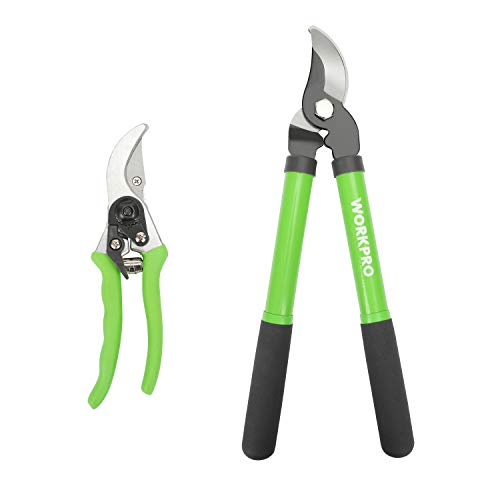
Ideal for pruning flowers and other garden plants

Package Includes: Come with 24 pieces of fruit branch forms stronger branches. which can be used to pull the branches flat, and fruit trees can absorb sunlight, ventilation and fruitfulness.

BRANCH CUTTER LONG LASTING SHARP EVEN THROUGH HEAVY USE: gear branch cutter alloy steel blade with teflon coated,low-friction blade coating for clean cut with less effort,which will long lasting sharp even through heavy use. Tree clippers is ideal for pruning flowers, branches and other plants, chop through thick branches effortlessly
Pest and Disease Management for Cherry Trees
Managing pests and diseases is crucial for the health and productivity of cherry trees in Kansas City. This section outlines common threats specific to the region and offers effective strategies for prevention and treatment. Understanding these challenges will help ensure your cherry trees thrive and produce abundant fruit.
Cherry trees are susceptible to various pests and diseases. Be vigilant and take action when necessary:
Pests: Monitor for aphids and cherry fruit flies. Use insecticidal soap if needed.
Diseases: Watch for signs of leaf spot or powdery mildew. Apply fungicides as a preventive measure.
Here’s a quick reference table for common issues:
| Issue | Symptoms | Treatment |
|---|---|---|
| Aphids | Curling leaves | Insecticidal soap |
| Leaf Spot | Brown spots | Fungicide application |
Addressing these issues promptly will protect your trees and ensure a bountiful harvest.
