

Growing cherry trees in Milwaukee, WI, near Lake Michigan is feasible with the right techniques and care. Selecting cold-hardy varieties and understanding local climate conditions will ensure successful growth and fruit production.
Selecting Cherry Tree Varieties for Milwaukee
When choosing cherry tree varieties for Milwaukee, it’s essential to consider the local climate and soil conditions influenced by proximity to Lake Michigan. Certain species thrive better in this region, offering optimal fruit production and resilience against local pests and diseases. Understanding these factors will help ensure a successful cherry tree planting experience.
Choosing the right cherry tree varieties is crucial for successful cultivation in Milwaukee. The climate near Lake Michigan can be challenging, with cold winters and variable spring temperatures. Cold-hardy varieties like Montmorency and Bing thrive in this region.
Consider the following factors when selecting your trees:
Hardiness Zone: Milwaukee is in USDA Zone 5b, suitable for specific cherry varieties.
Pollination Needs: Some cherries require cross-pollination for fruit set.
Growth Habit: Dwarf varieties may be easier to manage in smaller spaces.
| Cherry Variety | Hardiness Zone | Pollination Type | Growth Habit |
|---|---|---|---|
| Montmorency | 4-7 | Self-pollinating | Standard |
| Bing | 5-8 | Requires pollinator | Standard |
| Stella | 4-8 | Self-pollinating | Dwarf |
| North Star | 4-7 | Self-pollinating | Dwarf |
Optimal Planting Sites for Milwaukee Cherry Trees
Selecting the right planting site is crucial for the success of cherry trees in Milwaukee, especially given the unique climate and soil conditions near Lake Michigan. Understanding the optimal locations can enhance growth and fruit production, ensuring that these beautiful trees thrive in this region. This section explores the best sites for planting cherry trees in Milwaukee.
Preparing the planting site is essential for the health of cherry trees. The right location ensures adequate sunlight, drainage, and protection from harsh winds.
Follow these steps for optimal site preparation:
Choose a Sunny Spot: Select an area that receives at least six hours of sunlight daily.
Test Soil pH: Aim for a pH between 6.0 and 7.0 for optimal growth.
Improve Drainage: If the soil retains water, consider raised beds or amending with organic matter.
Soil Preparation for Cherry Trees in Milwaukee
Preparing the right soil is crucial for successfully growing cherry trees in Milwaukee’s unique climate near Lake Michigan. The area’s soil composition and drainage characteristics can significantly impact tree health and fruit production. Understanding how to amend and enhance local soil will set the foundation for thriving cherry trees in this region.
Proper soil preparation enhances root development and tree health. Use the following techniques:
Loosen Soil: Dig at least 12 inches deep to aerate the soil.
Incorporate Compost: Mix in compost to improve soil structure and nutrient content.
Add Mulch: Use organic mulch to retain moisture and suppress weeds.
Planting Cherry Trees in Milwaukee
Planting cherry trees in Milwaukee offers a unique opportunity to enjoy the beauty of these blossoms while benefiting from the region’s climate. With Lake Michigan’s moderating effects, the area provides suitable conditions for both sweet and sour varieties. Understanding the best practices for planting can help ensure a thriving cherry tree garden in this vibrant Midwestern city.
Timing and technique are critical when planting cherry trees. The best time to plant is in early spring after the last frost.
Follow these steps for successful planting:
Dig a Hole: Create a hole twice the width of the root ball and the same depth.
Place the Tree: Position the tree so that the root crown is level with the soil surface.
Backfill and Water: Fill the hole with soil, then water thoroughly to eliminate air pockets.
Recommended Products
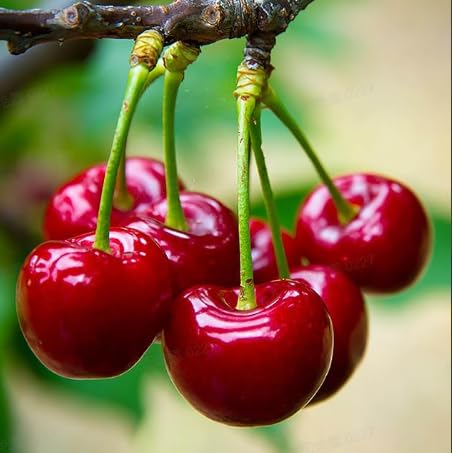
Basic Seed Attributes & Planting Scenarios: 20 Pcs Cherry Tree Seeds, non-GMO heirloom variety, with sweet and tender juicy fruits, suitable for home garden cultivation, and can be planted both indoors and outdoors.

Seed Cherry Tree Fruit Tree Seed for Planting Outdoor-Non-GMO Heirloom Sweet Juicy Fruits Plant in Your Home Garden

Post-Planting Care for Milwaukee Cherry Trees
After successfully planting cherry trees in Milwaukee, proper post-planting care is essential for their growth and health. This region’s unique climate, influenced by its proximity to Lake Michigan, requires specific attention to watering, mulching, and pest management to ensure that these trees thrive in their new environment. Understanding these care practices will help maximize fruit production and overall tree vitality.
Post-planting care is vital for establishing strong cherry trees.
Watering: Keep the soil consistently moist but not soggy for the first year.
Fertilizing: Use a balanced fertilizer in early spring to promote growth.
Pruning: Prune in late winter to shape the tree and remove any dead or diseased branches.
Pest and Disease Management for Milwaukee Cherry Trees
Managing pests and diseases is crucial for the health and productivity of cherry trees in Milwaukee, especially given the unique climate near Lake Michigan. Local growers face specific challenges that require targeted strategies to protect their trees from common threats. Understanding these issues can help ensure a successful cherry harvest in this region.
Pests and diseases can threaten cherry tree health. Regular monitoring and proactive management are essential.
Common issues include:
Cherry Fruit Fly: Inspect fruit for signs of infestation and use traps.
Powdery Mildew: Apply fungicides at the first sign of infection.
Bacterial Canker: Prune affected branches and ensure proper sanitation.
Pest Management Techniques for Milwaukee Cherry Trees
Effective pest management is crucial for the health and productivity of cherry trees in Milwaukee, especially given the region’s unique climate and proximity to Lake Michigan. Understanding local pest challenges and employing targeted strategies can help ensure robust growth and abundant fruit yield. This section explores practical techniques tailored for cherry tree care in this specific environment.
Implementing integrated pest management can reduce chemical use while protecting your trees.
Encourage Beneficial Insects: Attract ladybugs and lacewings to control aphids.
Crop Rotation: Avoid planting cherries in the same spot every year to prevent soil-borne diseases.
Regular Inspections: Check trees weekly for early signs of pests or disease.
Harvesting Cherries in Milwaukee’s Climate
Milwaukee’s unique climate, influenced by its proximity to Lake Michigan, plays a crucial role in the cherry harvest. Understanding the seasonal patterns and local conditions can help growers maximize their yield and ensure the cherries thrive. This section explores the best practices for harvesting cherries in this distinctive environment.
Harvesting cherries at the right time ensures the best flavor and quality. Monitor the fruit closely as it approaches maturity.
Color Check: Look for deep color, indicating ripeness.
Taste Test: Sample a few cherries to assess sweetness.
Gentle Picking: Twist the fruit gently to avoid damaging the stem.
| Harvest Timing | Indicators | Best Practices |
|---|---|---|
| Early July | Deep red color | Pick in the morning for best flavor |
| Late July | Firmness and sweetness | Use scissors to avoid damaging branches |
Milwaukee Cherry Tree Seasonal Maintenance
Maintaining cherry trees in Milwaukee requires attention to seasonal changes, especially given the unique climate influenced by Lake Michigan. Understanding the specific needs throughout the year can help ensure healthy growth and abundant fruit. This section outlines essential maintenance tasks to keep your cherry trees thriving in this region.
Seasonal care is necessary to maintain tree health throughout the year.
Winter Protection: Wrap trunks with burlap to prevent frost damage.
Spring Maintenance: Fertilize and inspect for pests after the last frost.
Fall Preparation: Clean up fallen leaves to reduce disease risk.
Regular seasonal care will enhance the longevity and productivity of your cherry trees.
Recommended Products

Janitorial & Cleaning Supplies

【Convenient and Practical】: Tree trunk protector paper wraps can protect trees from scorching, frost, animals, insects, trimmer damage and effectively keep trees warm, moisturize and prevent freezing in cold winter

Sturdy Material, Porous and Breathable: our tree wrap is made of jute burlap material. It was light weight so it didn't hurt the plants and keeping them warm saved them from freezing, and dries faster than most wraps after it gets wet so the danger of rotting is broken
