

Cherry trees thrive in Detroit, MI, with proper urban hardiness and soil preparation. Selecting the right variety and preparing the soil correctly ensures healthy growth and beautiful blooms.
Urban Hardiness Factors for Detroit Cherry Trees
Urban hardiness is crucial for cherry trees in Detroit due to the city’s unique climate challenges. Factors like temperature fluctuations, soil conditions, and urban heat islands can impact tree health. Selecting varieties that can withstand these conditions is essential for successful cultivation.
The following cherry tree varieties are well-suited for Detroit’s climate:
Yoshino Cherry: Known for its stunning spring blooms.
Kwanzan Cherry: Features double pink flowers and strong disease resistance.
Sargent Cherry: A hardy option that thrives in urban settings.
Soil Composition for Thriving Cherry Trees
Understanding the soil composition is crucial for cultivating healthy cherry trees in Detroit, MI. The unique urban environment presents specific challenges and opportunities for soil preparation. This section delves into the essential components of soil that support the growth and vitality of cherry trees in the city.
Soil preparation is vital for cherry tree success. The right soil composition promotes healthy root development and overall tree vigor. Cherry trees prefer well-drained, loamy soil with a pH between 6.0 and 7.0.
To prepare the soil effectively, follow these steps:
Test Soil pH: Use a soil test kit to determine pH levels.
Amend Soil: Incorporate organic matter such as compost to improve drainage and nutrient content.
Tilling: Loosen the soil to a depth of at least 12 inches to promote root growth.
Soil Preparation Steps for Cherry Trees
Preparing the soil for cherry trees in Detroit is crucial for their successful growth in an urban environment. This section outlines essential steps to ensure the soil is well-suited for cherry tree cultivation, taking into account local conditions and the specific needs of these trees. Proper soil preparation will enhance their resilience and fruit production.
| Task | Purpose | Tools Needed |
|---|---|---|
| Test Soil pH | Determine acidity | Soil test kit |
| Add Organic Matter | Improve drainage | Compost, shovel |
| Till Soil | Loosen for roots | Tiller, rake |
Urban Cherry Tree Planting Strategies
Planting cherry trees in Detroit requires careful consideration of urban conditions and soil preparation. Strategies tailored to the unique challenges of city environments can enhance growth and health, ensuring that these trees thrive amidst concrete and limited space. Understanding these methods is essential for successful urban gardening and fostering the beauty of cherry blossoms in the city.
Planting cherry trees in urban environments requires careful consideration of location and spacing. Adequate sunlight and airflow are essential for preventing diseases.
When planting, keep these factors in mind:
Location: Select a spot with full sun exposure for at least six hours daily.
Spacing: Allow 20-30 feet between trees to ensure proper air circulation.
Recommended Products

Fragrant Flowers: Trees bloom with sweet-smelling flowers in late spring and early summer, providing a valuable source of nectar for pollinators like bees and holding significant ecological value

Seed Cherry Tree Fruit Tree Seed for Planting Outdoor-Non-GMO Heirloom Sweet Juicy Fruits Plant in Your Home Garden
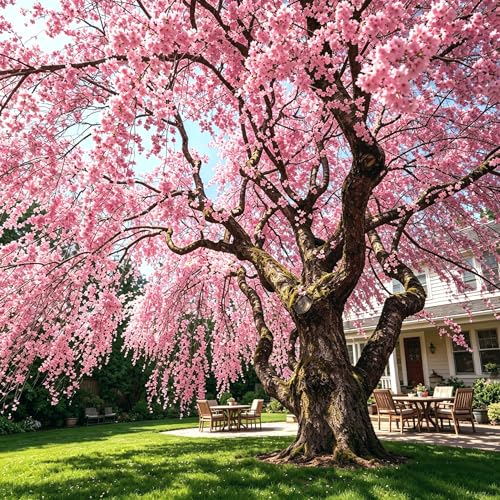
[Graceful Weeping Form with Early Spring Blooms] Grows 8-15 feet tall with cascading branches that create a flowing, fountain-like silhouette. Produces clusters of delicate flowers, covering bare branches before leaves emerge.
Cherry Tree Planting Techniques in Urban Soil
Planting cherry trees in urban environments like Detroit requires careful consideration of soil conditions and techniques. The unique challenges of urban soil, often compacted and nutrient-deficient, demand specific methods to ensure healthy growth. Understanding these techniques is essential for successfully cultivating cherry trees in the city’s landscape.
Dig a Hole: Create a hole twice the width of the root ball.
Place Tree: Position the tree in the center of the hole, ensuring the graft union is above soil level.
Backfill: Fill the hole with soil, gently tamping down to eliminate air pockets.
Water Generously: Provide ample water to settle the soil around the roots.
Cherry Tree Care and Maintenance Techniques
Caring for cherry trees in Detroit requires an understanding of the local climate and soil conditions. Proper maintenance techniques are essential for promoting healthy growth and vibrant blossoms. This section delves into effective practices that ensure the longevity and beauty of cherry trees in an urban environment.
Regular maintenance is essential for the longevity of cherry trees. This includes watering, pruning, and monitoring for pests and diseases.
Key maintenance practices include:
Watering: Ensure trees receive at least one inch of water per week during dry spells.
Pruning: Trim dead or crossing branches to promote healthy growth.
Pest Control: Inspect regularly for signs of pests like aphids or cherry fruit flies.
Recommended Products

CLEAN CUTS FOR LIVE GROWTH: Bypass blade design is ideal for pruning delicate flower stems and green growth, helping reduce crushing and plant damage while cutting stems and small branches up to 5/8” in diameter

IDEAL BRANCH TRIMMER: 28" Steel blade garden bypass lopper that glides through up to 1.5" thick branches for easy cuts; Works well for trimming tree branches to maintain your yard and garden, and to encourage overall plant health and appearance

Cherry Tree Care Maintenance Schedule
Maintaining cherry trees in Detroit requires a well-planned care schedule tailored to the region’s urban climate and soil conditions. This section outlines essential maintenance tasks, including pruning, fertilization, and pest management, to ensure healthy growth and fruitful yields. Understanding these practices is crucial for both novice and experienced gardeners aiming to cultivate thriving cherry trees in the city.
| Task | Frequency | Notes |
|---|---|---|
| Watering | Weekly | Adjust based on rainfall |
| Pruning | Annually | Late winter or early spring |
| Pest Inspection | Monthly | Look for signs of infestation |
Choosing Urban Cherry Tree Varieties
When selecting cherry tree varieties for urban environments like Detroit, it’s essential to consider factors such as hardiness and adaptability to local soil conditions. The right choice can lead to successful growth and fruit production, enhancing the urban landscape while providing a beautiful display in spring. Understanding the specific needs of different cherry tree types will ensure a thriving addition to your garden.
Choosing the right cherry tree variety is critical for urban success. Factors such as disease resistance, growth habit, and bloom time should guide your selection.
Consider these popular varieties:
Bing Cherry: Sweet and juicy, ideal for fresh eating.
Lapins Cherry: Self-pollinating with high yields.
North Star Cherry: Compact size, perfect for smaller spaces.
Cherry Tree Varieties for Detroit Gardens
Detroit’s unique climate and urban environment present specific challenges and opportunities for cherry tree cultivation. Understanding the best varieties suited for this region can enhance both the beauty and productivity of local gardens. This section explores the most suitable cherry tree options for Detroit, considering factors like hardiness and soil preparation.
| Variety | Fruit Type | Pollination | Growth Habit |
|---|---|---|---|
| Bing | Sweet | Requires pollinator | Tall |
| Lapins | Sweet | Self-pollinating | Medium |
| North Star | Tart | Self-pollinating | Compact |
Urban Cherry Tree Care in Detroit
Caring for cherry trees in Detroit requires an understanding of the unique urban environment and its challenges. Factors such as soil quality, climate conditions, and urban pollution play a crucial role in their growth and health. This section explores essential practices for nurturing cherry trees in the city, ensuring they thrive amidst the concrete landscape.
Urban cherry trees require specific care to thrive in Detroit’s environment. Proper soil preparation, careful planting, and ongoing maintenance are essential for success.
Choosing the right variety will enhance the aesthetic and fruit production of your landscape.
