

Growing pear trees in pots in Dallas, TX requires specific strategies to combat the intense North Texas heat. Proper care and management can ensure healthy growth and fruit production despite the challenging climate.
Best Pear Tree Varieties for Container Growth
When selecting pear trees for container growth in Dallas, TX, it’s essential to choose varieties that can thrive in the region’s heat and fluctuating conditions. The right selection not only ensures a fruitful harvest but also enhances your garden’s aesthetic. Explore the best options tailored for container gardening in North Texas.
Choosing the appropriate pear tree variety is crucial for successful pot cultivation in Dallas. Some varieties are more heat-tolerant and suited for container growth. Consider the following options:
Kieffer Pear: Known for its resilience and adaptability to heat.
Harcot Pear: Offers good fruit quality and heat tolerance.
Orient Pear: Thrives in warmer climates and produces sweet fruit.
Each variety has unique characteristics that can influence growth and yield. Select based on your specific needs and local conditions.
Potting Strategies for Pear Trees in Heat
Growing pear trees in pots can be a rewarding endeavor, especially in the challenging heat of North Texas. Implementing effective potting strategies is crucial for ensuring these trees thrive despite high temperatures. This section explores practical methods to optimize potting conditions, helping your pear trees flourish in the Dallas climate.
Potting techniques play a significant role in the health of pear trees in containers. The right pot size, soil type, and drainage are essential for heat management.
Pot Size: Use a minimum of 15-gallon pots to allow for root expansion.
Soil Type: Choose a well-draining potting mix enriched with organic matter.
Drainage: Ensure pots have adequate drainage holes to prevent root rot.
These techniques help mitigate heat stress and promote robust growth.
Recommended Products

BUILT FOR SERIOUS GROWERS: When you need serious root space for trees, large shrubs, or high-yield vegetable plants, the 15-gallon nursery pot is the professional's choice. Green Oasis 15-gallon pots are engineered to the same exacting standards used by commercial plant nurseries — delivering exceptional durability, consistent drainage, and long-lasting performance in even the most demanding growing environments.

Sturdy and durable - Plant pots are made of high quality PP plastic, which is tough, not easy to break or crack. Whether it is digging or daily use, it can withstand pressure and ensure a long service life.
Watering Strategies for Pear Trees in Heat
In the sweltering heat of North Texas, maintaining the health of potted pear trees requires careful attention to watering practices. This section explores effective strategies to ensure these trees receive the right amount of moisture, helping them thrive despite the challenging climate conditions in Dallas. Understanding these techniques is essential for successful cultivation in such a hot environment.
Watering is critical for pear trees during hot months. In North Texas, the heat can quickly dry out soil, leading to stress. Implement these strategies:
Deep Watering: Water deeply once a week rather than shallow daily watering.
Mulching: Apply a 2-3 inch layer of organic mulch to retain moisture.
Monitoring: Check soil moisture regularly using a moisture meter.
Proper watering techniques can significantly improve tree health and fruit production.
Recommended Products

Accurate Soil Moisture Detection: The XLUX Soil Moisture Meter can tell you if the soil deep inside your pot or garden is dry, moist or wet; whereas your eyes and fingers can only determine the moisture level of the soil surface. The probe is 5.5 inches (14 cm) longer than regular styles, allowing it to measure the soil moisture at the bottom of larger and deeper flower pots.

【4 in 1 function】This is a 4-in-1 multifunctional soil tester.Our soil tester fastly to measure soil moisture, pH, temperature and sunlight to help you take better care of flowers and plants.You can know when you need to water your soil by measuring moisture and pH & Temperature value of the soil and sunlight level of plants with it.
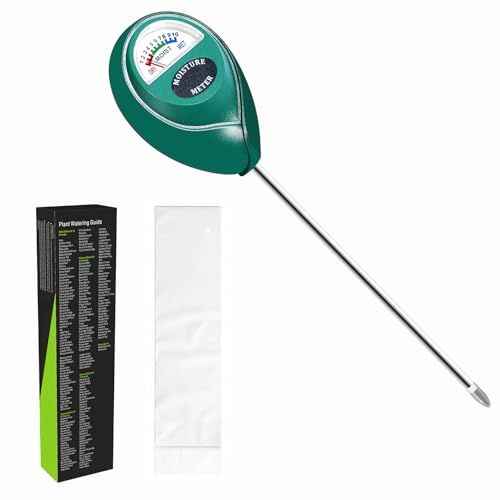
Trusted Since 2015: Become one of the many plant lovers who rely on the proven accuracy of XLUX. Established in 2015, our soil moisture meter has earned over 60,000+ verified ratings for its consistent performance. While many many newer brands come and go, we provide the long-term reliability and quality that American households have trusted for over a decade.
Nutrient Guidelines for Potted Pear Trees
Growing potted pear trees in Dallas requires careful attention to their nutritional needs, especially given the region’s intense heat. Proper nutrient management is essential for ensuring healthy growth and fruit production. This section outlines the key guidelines for fertilizing and enriching the soil of potted pear trees to thrive in North Texas conditions.
Fertilization is essential for pear trees to thrive in pots. The right nutrients support growth and fruiting. Follow these guidelines:
Balanced Fertilizer: Use a slow-release, balanced fertilizer designed for fruit trees.
Application Timing: Fertilize in early spring and mid-summer for best results.
Watering After Fertilizing: Always water after applying fertilizer to help nutrient absorption.
This approach ensures your trees receive the necessary nutrients to flourish despite the heat.
Heat Stress Mitigation for Potted Pear Trees
Potted pear trees in Dallas face unique challenges due to the intense North Texas heat. Understanding effective heat stress mitigation strategies is crucial for maintaining their health and productivity. This section explores practical techniques to protect these trees from high temperatures and ensure they thrive in a challenging climate.
Heat stress can severely impact the growth and fruiting of pear trees. Implement protective measures to minimize risk.
Shade Cloth: Use shade cloth during peak sun hours to reduce direct sunlight exposure.
Positioning: Place pots in a location that receives morning sun and afternoon shade.
Windbreaks: Create barriers to protect trees from hot winds.
These protective strategies can help maintain optimal growing conditions.
Common Problems with Potted Pear Trees
Potted pear trees can thrive in Dallas, TX, but they also face unique challenges due to the region’s intense heat and fluctuating weather conditions. Understanding these common problems is essential for maintaining healthy trees and ensuring a fruitful harvest. This section explores the typical issues encountered by gardeners and offers practical solutions to keep your potted pear trees thriving.
Even with proper care, issues may arise with pear trees in pots. Identifying and addressing these problems is vital for success.
| Symptom | Primary Suspect | Difficulty (1-5) |
|---|---|---|
| Leaf scorch | Insufficient watering | 3 |
| Poor fruit set | Lack of pollination | 4 |
| Root rot | Overwatering | 5 |
| Pests | Insect infestations | 2 |
Understanding these symptoms and their causes can help you take corrective action quickly.
Container Care Tips for Pear Trees
Caring for pear trees in containers requires specific strategies to thrive in the heat of Dallas, TX. Understanding the unique challenges posed by North Texas weather is essential for successful growth. This section offers practical tips to ensure your potted pear trees remain healthy and productive throughout the warmer months.
Maintaining pear trees in pots involves logistical considerations. Here are some practical tips:
Mobility: Use wheeled plant caddies for easy movement during extreme weather.
Seasonal Adjustments: Move pots indoors during freezing temperatures.
Regular Inspections: Check for pests and diseases bi-weekly.
These logistics can simplify care and enhance tree health throughout the growing season.
