

Growing pear trees in a pot in Arizona requires careful selection of varieties and specific care practices to withstand the desert heat. Choosing heat-tolerant cultivars and providing adequate irrigation and shade will ensure successful growth in this challenging environment.
Best Pear Tree Varieties for Arizona Heat
Selecting the right pear tree variety is crucial for successful cultivation in Arizona’s intense desert heat. Certain types are better suited to withstand high temperatures and thrive in the arid climate, ensuring a fruitful harvest. This section highlights the best pear tree varieties that can flourish in pots while adapting to Arizona’s unique environmental challenges.
Choosing the right pear tree variety is crucial for success in Arizona’s arid climate. Some varieties are more resilient to heat and drought than others. Look for options that are known to thrive in hot, dry conditions.
Bartlett: Popular for its sweet flavor and adaptability.
Kieffer: Hardy and disease-resistant, ideal for warmer climates.
Orient: Known for its crisp texture and heat tolerance.
These varieties can better withstand the intense summer heat and provide a fruitful harvest.
Potting Essentials for Pear Trees
When cultivating pear trees in pots under Arizona’s intense desert heat, selecting the right potting essentials is crucial for their survival and growth. The combination of suitable soil, pot size, and drainage techniques will significantly influence the tree’s health and productivity. Understanding these foundational elements will help ensure your pear trees thrive in a challenging environment.
A proper potting setup is essential for growing pear trees in containers. Start with a large pot that allows for root expansion and drainage. The right soil mix will also contribute to the tree’s health.
Container Size: Use a pot that is at least 18-24 inches in diameter.
Soil Mix: Combine potting soil with perlite or sand for improved drainage.
Drainage Holes: Ensure the pot has adequate drainage to prevent root rot.
This setup will help maintain moisture levels while allowing excess water to escape.
Recommended Products

INDOOR GROWING: Growing indoors is easy under the right conditions; Miracle-Gro Houseplant Potting Mix is an indoor plant potting soil that combines key elements container plants need to thrive
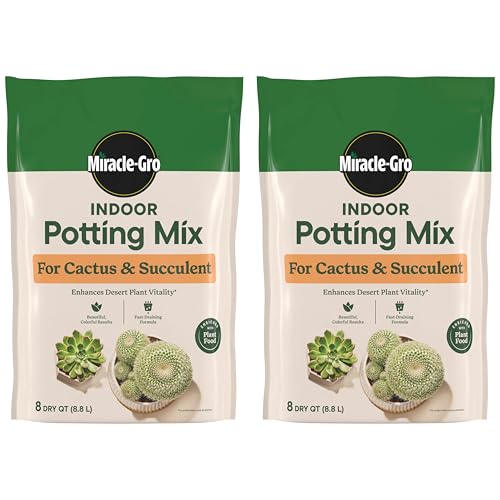
Miracle-Gro Indoor Potting Mix for Cactus and Succulent is enriched with Miracle-Gro Plant Food and enhances desert plant vitality (vs unfed plants when used as directed)
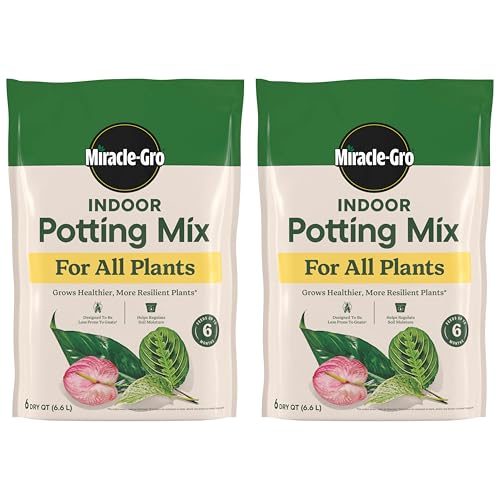
Miracle-Gro Indoor Potting Mix for All Plants feeds houseplants for up to 6 months and grows healthier, more resilient plants (vs unfed when used as directed)
Desert Watering Strategies for Pear Trees
Successfully growing pear trees in pots in Arizona’s harsh desert climate requires careful attention to watering practices. Given the extreme heat and low humidity, adopting effective watering strategies is essential to ensure these trees thrive. This section explores practical approaches to keep your potted pear trees hydrated and healthy in the arid environment.
Watering is a critical aspect of growing pear trees in Arizona’s desert climate. The hot temperatures can quickly dry out the soil, making it important to establish a consistent watering routine.
Frequency: Water deeply once a week during the growing season.
Morning Watering: Water in the early morning to reduce evaporation.
Mulching: Apply a layer of mulch to retain moisture and regulate soil temperature.
These techniques will help keep the tree hydrated and healthy throughout the hot months.
Recommended Products
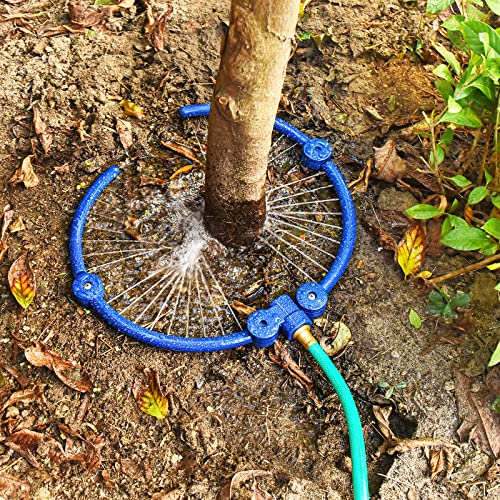
【Specially Designed for Trees and Shrubs】 The Watering Ring is a multi-purpose irrigation ring that attaches to a garden hose to efficiently water young trees shrubs vegetables or flower beds using drip or trickle irrigation.It directs water to the root perimeter of the plant to give them a good start during the first two growing seasons or through periods of drought.
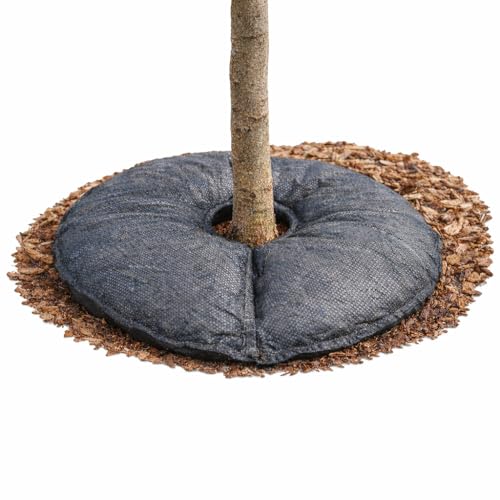
For Plants and Trees that with root balls about 12” in dia., (11-15”, e.g. 3-10 Gallon Container Sizes have top diameters between 11-15”) - Uses 99% LESS WATER than traditional tree bag over the course of multiple seasons for better establishment of the newly planted trees and shrubs! When the plant root ball is larger than 15”, the 36”, 48”, or multiple units of these larger sized SteadySpring Tree Mats are recommended to cover an area double of the root ball size or at least 20” larger than the root ball.

NO MORE HARD INSTALLATION - SET UP IN MINUTES. Tired of struggling with stiff barbed fittings? This drip irrigation system features quick-connect fittings that let you push, lock, and secure tubing effortlessly. No tools, no leaks, just a smooth setup experience. Enjoy a frustration-free installation and get your garden watering system running in minutes.
Shade Strategies for Young Pear Trees
In the intense Arizona heat, young pear trees require careful attention to ensure their survival and growth. Implementing effective shade strategies is crucial for protecting these delicate plants from scorching temperatures and harsh sunlight. This section explores various methods to provide the necessary shade, promoting healthy development in a challenging environment.
Providing shade is essential for protecting pear trees from the intense Arizona sun. Young trees are particularly vulnerable to sunburn and heat stress.
Shade Cloth: Use a shade cloth during peak sun hours to reduce direct sunlight.
Strategic Placement: Position pots in areas that receive filtered sunlight.
Wind Protection: Shield trees from strong winds that can dry them out.
Implementing these strategies will help mitigate heat stress and promote healthy growth.
Recommended Products

SIZE: Measures 6.5 feet in width and 10 feet in length (2 meters x 3 meters). you can easily cut it to your desired size and shape to suit your needs
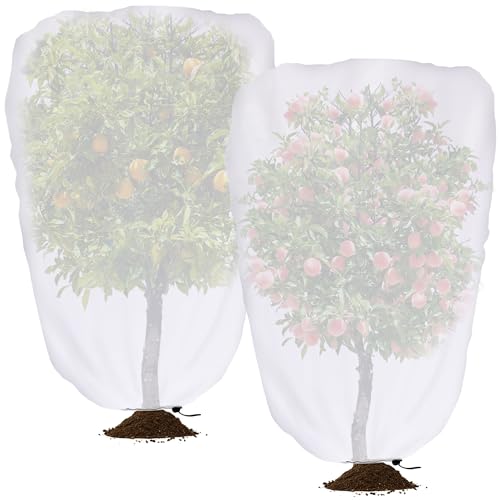
Full Spectrum White Light Refraction: Our shade cover for garden can not only effectively block strong direct sunlight, prevent extreme high temperature and sun damage to plants, but also meet the sunlight needed by plants, refraction full spectrum white light, so that your plants get balanced daylight.

Ideal Light Shade for Year-Round Gardens: 3 FT x 10 FT. 40%-50% UV blocking with 60% light penetration. Gentle protection for delicate plants, seedlings, and mild climates. Perfect spring through autumn transition coverage.
Nutrient Strategies for Potted Pear Trees
Successfully growing pear trees in pots in Arizona’s harsh desert climate requires careful attention to their nutrient needs. The right balance of fertilizers and organic matter can enhance growth and fruit production while helping the trees withstand the intense heat. Understanding these nutrient strategies is essential for any gardener looking to cultivate healthy, thriving potted pear trees in this challenging environment.
Fertilization plays a vital role in the health of pear trees. Proper nutrients will support growth and fruit production.
Type of Fertilizer: Use a balanced, slow-release fertilizer designed for fruit trees.
Application Timing: Fertilize in early spring before new growth begins.
Soil Testing: Conduct a soil test to determine nutrient needs.
Following these guidelines will enhance the tree’s ability to thrive in a pot.
Essential Care Guidelines for Potted Pear Trees
Growing pear trees in pots can be a rewarding endeavor, especially in the challenging climate of Arizona. To ensure these trees thrive despite the desert heat, it’s crucial to follow specific care guidelines that address their unique needs. This section outlines essential practices to help your potted pear trees flourish in arid conditions.
| Aspect | Recommendation | Notes |
|---|---|---|
| Container Size | 18-24 inches | Allows for root expansion |
| Soil Type | Potting mix with perlite | Ensures good drainage |
| Watering Frequency | Once a week | Deep watering is essential |
| Fertilizer Type | Balanced slow-release | Apply in early spring |
| Shade Requirement | Shade cloth during peak sun | Protects from sunburn |
Common Pear Tree Pot Problems
Growing pear trees in pots can be rewarding, but it also presents unique challenges, especially in Arizona’s harsh desert climate. Understanding the common problems that arise when cultivating these trees in containers is essential for ensuring their health and productivity. This section will address the typical issues faced by gardeners and offer insights for successful pot cultivation.
Even with proper care, issues may arise when growing pear trees in pots. Identifying and addressing these problems early can save your tree.
Leaf Drop: Indicates overwatering or underwatering. Adjust your watering schedule.
Yellow Leaves: May signal nutrient deficiency. Consider fertilization.
Pest Infestation: Check for signs of pests like aphids. Use insecticidal soap as needed.
Monitoring your tree regularly will help catch these issues before they escalate.
Desert Pear Tree Care Tips
Caring for pear trees in pots in Arizona’s intense desert heat requires specific strategies to ensure their survival and productivity. Understanding the unique challenges posed by the climate is essential for successful growth. The following tips provide practical guidance for nurturing these trees in a way that accommodates their needs while thriving in arid conditions.
Growing pear trees in pots in Arizona requires diligence and care. Adapting to the unique challenges of desert conditions will lead to a fruitful harvest.
