

Growing quince trees in pots in Alaska requires specific indoor maintenance techniques to ensure successful fruiting despite the challenging climate. Proper care includes managing light exposure, humidity, and temperature, which are crucial for the health of these trees.
Choosing the Ideal Pot Size for Quince Trees
Selecting the right pot size is crucial for the health and growth of quince trees, especially in Alaska’s unique indoor environment. The pot must provide adequate space for root development while ensuring proper drainage and stability. Understanding these factors will help you create the optimal conditions for your quince tree to thrive indoors.
Choosing the appropriate pot is essential for the growth of quince trees. A pot that is too small restricts root development, while one that is too large may retain excess moisture, leading to root rot.
Consider the following factors when selecting a pot:
Size: A 10-15 gallon pot is ideal for young quince trees.
Material: Choose between ceramic, plastic, or wood. Each has unique benefits.
Drainage: Ensure the pot has sufficient drainage holes to prevent water accumulation.
| Pot Material | Benefits | Drawbacks |
|---|---|---|
| Ceramic | Aesthetic appeal, good insulation | Heavy, can crack in freezing temperatures |
| Plastic | Lightweight, affordable | Less durable, may heat up quickly |
| Wood | Natural look, good drainage | Can rot, requires treatment |
Recommended Products

High Quality: 50PCS Tall Tree plant Pots Made from quality plastic material,which is lightweight and reusable. extra high and thick, strong. perfect size for indoor outdoor plants,vegetables and fruits etc.
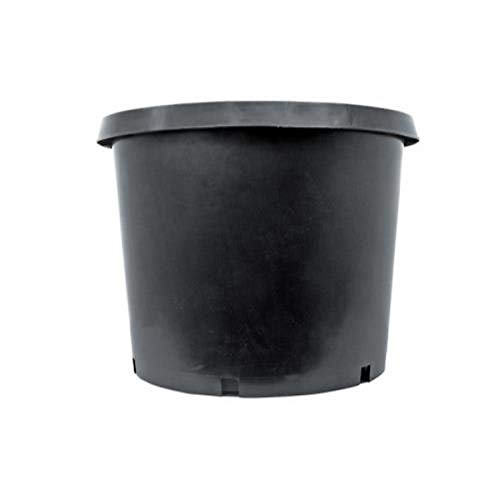
Durable, thick black plastic

【Amazing Design】The plastic planter pots design with water ripple appearance, complemented by a variety of vibrant color options, it is both artistic and perfectly matches any living room, bedroom, or outdoor decor, making plants appear closer to nature (Note: Plants Not Included)
Optimal Light Placement for Quince Trees
Understanding the optimal light conditions for quince trees is crucial for their successful indoor growth, especially in Alaska’s unique climate. Proper light placement not only promotes healthy foliage but also enhances fruit production. This section will explore the best strategies to ensure your quince trees receive the right amount of light throughout the year.
Quince trees thrive in bright, indirect light. In Alaska, natural light can be limited, especially during winter months. Positioning your tree near a south-facing window can help maximize sunlight exposure.
To enhance light conditions:
Use grow lights for 12-16 hours daily during dark months.
Rotate the pot every few weeks to ensure even growth.
Monitor for signs of light deficiency, such as leggy growth or yellowing leaves.
Optimal Humidity for Quince Tree Health
Maintaining optimal humidity is crucial for the health of quince trees grown indoors, especially in Alaska’s unique climate. Understanding how to create and sustain the right humidity levels can significantly impact growth and fruit production. This section explores effective strategies to ensure your quince tree thrives in a pot, regardless of external conditions.
Humidity plays a significant role in the health of quince trees. Indoor air can become dry, especially during winter heating. Maintaining adequate humidity is crucial for preventing leaf drop and promoting fruit development.
To increase humidity:
Use a humidifier in the room.
Place a tray filled with water and pebbles beneath the pot.
Mist the leaves occasionally, but avoid over-saturating the soil.
Optimal Temperature Range for Quince Trees
Understanding the optimal temperature range for quince trees is crucial for successful indoor maintenance, especially in the unique climate of Alaska. These trees thrive within specific temperature parameters that can significantly influence their growth and fruit production. By carefully managing their environment, you can ensure that your quince trees flourish even in challenging conditions.
Quince trees prefer a temperature range of 65-75°F during the day and slightly cooler at night. Extreme temperature fluctuations can stress the plant and hinder growth.
To maintain optimal temperatures:
Avoid placing the pot near drafts or heating vents.
Use thermal curtains to regulate indoor temperatures.
Monitor temperatures regularly with a digital thermometer.
Fertilization Techniques for Quince Trees
Fertilizing quince trees is essential for their growth and fruit production, especially when grown in pots in Alaska’s unique indoor environment. Understanding the right techniques and timing can significantly enhance the health and yield of these trees. This section explores effective fertilization methods tailored to the specific needs of quince trees in confined spaces.
Proper fertilization is key to healthy quince trees. A balanced fertilizer supports growth and fruit production.
Follow these guidelines for effective fertilization:
Use a liquid fertilizer every four to six weeks during the growing season.
Switch to a low-nitrogen formula in late summer to promote fruiting.
Monitor the tree for nutrient deficiencies, such as yellowing leaves or stunted growth.
| Fertilizer Type | Application Frequency | Key Nutrients |
|---|---|---|
| Liquid Fertilizer | Every 4-6 weeks | Nitrogen, Phosphorus, Potassium |
| Slow-Release Granules | Every 2-3 months | Micronutrients, Trace Elements |
| Organic Compost | Twice a year | Natural nutrients, Soil structure |
Pruning Strategies for Potted Quince Trees
Pruning is essential for maintaining the health and productivity of potted quince trees, especially in Alaska’s unique climate. Proper techniques not only promote growth but also enhance fruit quality. Understanding the right timing and methods for pruning will help ensure your quince tree thrives indoors, even in challenging conditions.
Regular pruning helps maintain the shape and health of quince trees. It encourages better air circulation and light penetration, which are essential for fruit development.
Consider these pruning tips:
Prune in late winter before new growth begins.
Remove any dead or diseased branches immediately.
Thin out crowded branches to promote airflow.
Recommended Products

IDEAL BRANCH TRIMMER: 28" Steel blade garden bypass lopper that glides through up to 1.5" thick branches for easy cuts; Works well for trimming tree branches to maintain your yard and garden, and to encourage overall plant health and appearance

Premium Material Construction: Crafted from premium carbon steel using exquisite techniques, these tools boast exceptional hardness, resilience to wear, and a robust construction, ensuring long-lasting performance

IDEAL BRANCH TRIMMER: Fiskars 15-Inch Anvil PowerGear Super Pruner glides through branches up to 1.25" thick for easy cuts on dry, dead growth; trim tree branches to maintain your yard and garden and maintain overall plant health and appearance
Pest and Disease Monitoring for Quince Trees
Maintaining quince trees in pots, especially in Alaska’s unique climate, requires vigilant monitoring for pests and diseases. Understanding the specific threats to these trees is crucial for their health and productivity. This section will explore effective strategies for identifying and managing common issues that can arise in indoor quince cultivation.
Quince trees can be susceptible to pests and diseases, especially in indoor environments. Regular monitoring is essential to catch issues early.
Watch for these common problems:
Spider mites: Look for webbing and stippling on leaves.
Scale insects: Check for raised bumps on stems and leaves.
Fungal diseases: Monitor for leaf spots or powdery mildew.
Implement preventive measures such as:
Regularly cleaning leaves to remove dust and pests.
Using insecticidal soap for pest control.
Ensuring good air circulation around the tree.
Regular attention to these factors will help you successfully grow quince trees in pots in Alaska, ensuring they thrive indoors despite the state’s unique climate challenges.
