

Cherry trees in Oklahoma can thrive despite the state’s heat and variable soil conditions. Selecting the right cherry tree varieties and implementing effective care strategies can significantly enhance their survival and growth.
Oklahoma Cherry Tree Varieties for Heat Resilience
Oklahoma’s unique climate presents challenges for cherry tree cultivation, particularly due to high temperatures and inconsistent soil conditions. Understanding which cherry tree varieties thrive in this environment is essential for successful gardening. This section explores the most resilient cherry tree options suited to Oklahoma’s heat and soil variability.
Choosing the right cherry tree variety is crucial for successful growth in Oklahoma’s climate. Some varieties are better suited for the heat and soil conditions than others. Consider the following cherry tree types:
Bing Cherry: Known for its sweet flavor and large fruit, it requires well-drained soil and full sun.
Montmorency Cherry: A tart variety that thrives in various soil types, making it a versatile choice.
Stella Cherry: A self-pollinating sweet cherry that is more tolerant of heat and drought.
These varieties can withstand Oklahoma’s climate, but understanding their specific needs is essential for optimal growth.
Soil Conditioning for Oklahoma Cherry Trees
Cherry trees in Oklahoma face unique challenges due to the region’s heat and variable soil conditions. Proper soil conditioning is essential for their survival and growth, as it helps to create a more stable environment for these delicate trees. Understanding the specific requirements for soil amendment and management can significantly enhance their resilience and fruit production.
Soil preparation is vital for cherry tree health. Oklahoma’s soil can vary significantly, affecting drainage and nutrient availability. Follow these steps to prepare your soil:
Test Soil pH: Aim for a pH between 6.0 and 7.
Use a soil test kit to determine current levels.
Amend Soil: Incorporate organic matter such as compost to improve soil structure and nutrient content.
Ensure Drainage: If your soil retains too much water, consider raised beds or mounding to enhance drainage.
Proper soil preparation can significantly impact the growth and fruiting of cherry trees.
Effective Watering Techniques for Cherry Trees
Proper watering techniques are crucial for the health of cherry trees in Oklahoma, especially given the state’s heat and variable soil conditions. Understanding how to effectively manage water can help ensure these trees thrive despite environmental challenges. This section explores the best practices for watering cherry trees to promote robust growth and fruit production.
Watering cherry trees correctly is essential, especially during Oklahoma’s hot summers. Inconsistent watering can lead to stress and poor fruit production. Implement the following strategies:
Deep Watering: Water deeply once a week to encourage deep root growth. This helps the tree withstand drought conditions.
Mulching: Apply a layer of organic mulch around the base to retain moisture and regulate soil temperature.
Monitor Soil Moisture: Use a moisture meter to check soil levels before watering. This prevents overwatering and root rot.
Effective watering strategies can help cherry trees survive extreme heat.
Recommended Products

Accurate Soil Moisture Detection: The XLUX Soil Moisture Meter can tell you if the soil deep inside your pot or garden is dry, moist or wet; whereas your eyes and fingers can only determine the moisture level of the soil surface. The probe is 5.5 inches (14 cm) longer than regular styles, allowing it to measure the soil moisture at the bottom of larger and deeper flower pots.

【Instant & Accurate Moisture Reading, No More Guesswork】 This plant moisture meter gives precise soil moisture readings in seconds! The responsive pointer instantly tells you if soil is dry, moist, or wet. It helps avoid overwatering & root rot, letting you water plants like a pro with confidence

Accurate Soil Moisture Detection: The XLUX Soil Moisture Meter can tell you if the soil deep inside your pot or garden is dry, moist or wet; whereas your eyes and fingers can only determine the moisture level of the soil surface. The probe is 5.5 inches (14 cm) longer than regular styles, allowing it to measure the soil moisture at the bottom of larger and deeper flower pots.
Nutrient Management for Cherry Tree Health
Effective nutrient management is crucial for the health and productivity of cherry trees in Oklahoma’s challenging climate. With the state’s heat and diverse soil types, understanding the specific nutrient needs of these trees can significantly enhance their growth and fruit yield. This section delves into the essential nutrients required and best practices for maintaining optimal soil health.
Fertilization plays a key role in cherry tree health. Proper nutrient management can enhance growth and fruit production. Follow these guidelines for fertilizing:
Use Balanced Fertilizer: Apply a balanced fertilizer with equal parts nitrogen, phosphorus, and potassium in early spring.
Follow Application Rates: Refer to the product label for specific application rates based on tree age and size.
Monitor Growth: Observe tree health and adjust fertilization based on growth patterns and leaf color.
Regular fertilization can support robust growth and improve fruit yield.
Cherry Tree Pest and Disease Control Strategies
Maintaining the health of cherry trees in Oklahoma requires vigilant pest and disease management, especially given the region’s challenging climate and soil conditions. Effective strategies focus on early detection and prevention, ensuring that these trees can thrive despite environmental stresses. Understanding common threats and implementing appropriate control measures is essential for successful cherry cultivation.
Pest and disease issues can threaten cherry trees in Oklahoma. Early detection and management are crucial for maintaining tree health. Focus on these common pests and diseases:
| Pest/Disease | Symptoms | Treatment |
|---|---|---|
| Aphids | Curling leaves, sticky residue | Use insecticidal soap or neem oil |
| Brown Rot | Wilting flowers, brown fruit | Remove infected fruit and apply fungicide |
| Cherry Leaf Spot | Yellow spots on leaves | Apply fungicide and remove fallen leaves |
Regular monitoring and timely intervention can prevent significant damage to cherry trees.
Recommended Products
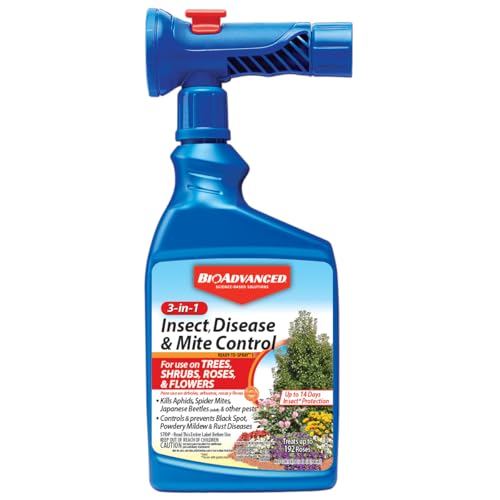
3-in-1 FORMULA: Aphid spray for outdoor plants for use on roses, flowers, shrubs and trees to control listed insects, disease and mites

Control diseases and insects in your garden with Captain Jack’s Fruit Tree Spray Concentrate! Use on a variety of listed fruits, nuts and citrus plants.

Control diseases and insects in your garden with Captain Jack’s Fruit Tree Spray Concentrate! Use on a variety of listed fruits, nuts and citrus plants.
Cherry Tree Care Routine Essentials
Caring for cherry trees in Oklahoma requires a tailored approach to address the challenges posed by heat and variable soil conditions. Understanding the essential care routines can help ensure these trees thrive despite the state’s unique climate. This section outlines key practices to maintain healthy cherry trees throughout the growing season.
Implementing a care routine can streamline cherry tree maintenance. Consider the following logistics:
Establish a Schedule: Set reminders for watering, fertilizing, and pest monitoring.
Record Growth: Keep a journal of growth patterns, fruit production, and any issues encountered.
Engage with Local Resources: Join local gardening clubs or extension services for advice and support.
A structured approach to care can enhance the success of cherry trees in Oklahoma.
Oklahoma Cherry Tree Growth Factors
Oklahoma’s unique climate and soil conditions present both challenges and opportunities for cherry tree cultivation. Understanding the specific growth factors that influence these trees, such as temperature fluctuations, soil composition, and moisture levels, is essential for successful planting and maintenance. This section delves into the critical elements that contribute to the thriving of cherry trees in the state.
Cherry trees require specific conditions to thrive in Oklahoma’s climate.
Monitor soil conditions regularly to ensure optimal growth.
