

Loquat trees thrive in Mississippi’s climate, offering delicious fruit and ornamental beauty. Proper planting and care ensure healthy growth and fruit production. This guide provides essential steps and considerations for successfully cultivating loquat trees in the Deep South.
Loquat Tree Growth Conditions in Mississippi
Loquat trees prefer well-drained soil and full sun exposure for optimal growth. They thrive in USDA hardiness zones 8 to 10, making them suitable for much of Mississippi. These trees can tolerate drought but benefit from regular watering during dry spells.
Optimal Soil pH for Loquat Growth
Understanding the optimal soil pH is crucial for successfully cultivating loquat trees in Mississippi. This section delves into the specific pH range that promotes healthy growth and fruit production, ensuring that gardeners can create the ideal conditions for these vibrant trees to thrive in the Deep South.
Loquat trees flourish in slightly acidic to neutral soil with a pH range of 6.0 to 7.0. Testing soil before planting is crucial. Here are key soil characteristics to consider:
| Soil Type | Drainage | Nutrient Content | pH Level |
|---|---|---|---|
| Sandy | Excellent | Low | 6.0-7.0 |
| Loamy | Good | Moderate | 6.0-7.0 |
| Clay | Poor | High | 6.0-7.0 |
Ensure the planting site has good drainage to prevent root rot. Adding organic matter can improve soil structure and fertility.
Choosing Ideal Loquat Varieties for Mississippi
Selecting the right loquat varieties is crucial for successful cultivation in Mississippi’s unique climate. With its warm temperatures and varying soil types, understanding which loquat types thrive in this region can enhance fruit yield and tree health. This section explores the best options for local growers to ensure a fruitful harvest.
Choosing the right variety is essential for success. Different varieties have unique characteristics and fruiting times. Common varieties include:
Gold Nugget: Known for its sweet flavor and small size.
Evergreen: Produces large, juicy fruit and has ornamental appeal.
Chinese: Offers a unique taste and is more cold-tolerant.
Research local availability and select a variety that suits your taste and growing conditions.
Loquat Tree Planting Best Practices
Successfully planting loquat trees in Mississippi requires an understanding of the region’s unique climate and soil conditions. This section outlines essential best practices for ensuring healthy growth and optimal fruit production, providing practical tips tailored to the Deep South environment. By following these guidelines, gardeners can cultivate thriving loquat trees that enhance their landscapes and yield delicious fruit.
Proper planting techniques ensure strong root development and tree stability. Follow these steps for successful planting:
Choose a Location: Select a sunny spot with well-drained soil.
Prepare the Hole: Dig a hole twice the width and depth of the root ball.
Amend the Soil: Mix in organic compost to enrich the soil.
Position the Tree: Place the tree in the center of the hole, ensuring the root collar is level with the soil surface.
Backfill and Water: Fill the hole with soil, gently tamping down. Water thoroughly to eliminate air pockets.
Loquat Tree Care: Watering and Fertilizing Tips
Caring for loquat trees in Mississippi requires attention to specific watering and fertilizing practices to ensure healthy growth and fruit production. Understanding the unique climate and soil conditions of the Deep South is essential for optimizing the care of these trees. This section provides practical tips to help you nurture your loquat trees effectively.
Watering and fertilizing are crucial for the health of loquat trees. Here are best practices:
Watering: Provide deep watering every 1-2 weeks, especially during dry periods.
Fertilizing: Use a balanced fertilizer in early spring and again in late summer. Follow the manufacturer’s instructions for application rates.
Monitor the tree for signs of nutrient deficiency, such as yellowing leaves, and adjust fertilization accordingly.
Pruning Techniques for Loquat Trees
Pruning is essential for maintaining the health and productivity of loquat trees in Mississippi. Proper techniques not only enhance fruit quality but also promote robust growth and shape the tree for optimal sunlight exposure. This section outlines effective pruning strategies tailored to the unique climate and conditions of the Deep South.
Regular pruning promotes healthy growth and enhances fruit production. Focus on the following techniques:
Remove Dead or Diseased Branches: Cut back any unhealthy growth to prevent disease spread.
Shape the Tree: Maintain an open center to improve air circulation and sunlight penetration.
Thin Out Fruit: If the tree produces too much fruit, thinning can improve fruit size and quality.
Pruning is best done in late winter or early spring before new growth begins.
Recommended Products
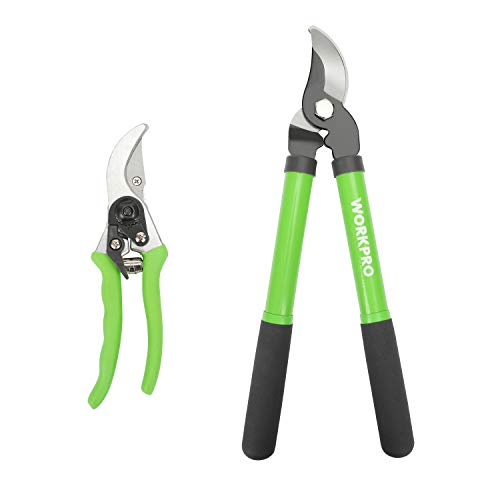
Ideal for pruning flowers and other garden plants
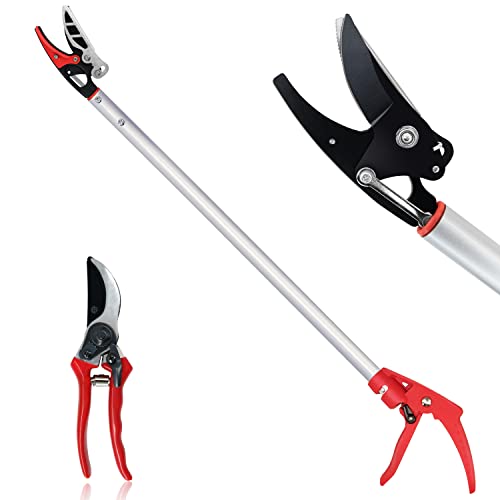
Long Handle Design: 32" handle length of the cut and hold pruners reduces back pain and stress, eliminating the need to bend over for trimming; It can also easily stretches to higher branches or thorns.

Razortooth saw technology removes more material in each pass
Loquat Tree Pest and Disease Control
Loquat trees, while resilient, can face various pests and diseases that threaten their health and productivity in Mississippi’s climate. Understanding these challenges is crucial for successful cultivation. This section provides essential strategies for identifying and managing common issues to ensure your loquat trees thrive.
Loquat trees can be susceptible to pests and diseases. Common issues include:
Scale Insects: Treat with insecticidal soap or horticultural oil.
Leaf Spot: Remove affected leaves and apply a fungicide if necessary.
Regularly inspect the tree for signs of trouble and act promptly to mitigate damage.
Loquat Fruit Ripening and Harvesting Tips
Understanding the ripening and harvesting process of loquat fruit is essential for maximizing yield and flavor in Mississippi’s unique climate. This section provides practical tips on determining the optimal time for harvest, ensuring the best quality fruit while navigating the specific challenges of growing loquats in the Deep South.
Loquat fruit typically ripens in late spring to early summer. Harvest when the fruit turns golden-yellow and feels slightly soft.
Harvesting Method: Gently twist the fruit off the stem to avoid damaging the tree.
Storage: Store harvested fruit in a cool, dry place for up to a week.
Enjoy fresh loquats in salads, jams, or as a snack.
Loquat Cultivation Tips for Mississippi Gardens
Loquat trees thrive in Mississippi’s warm climate, offering both ornamental beauty and delicious fruit. Successful cultivation requires understanding local soil conditions, proper planting techniques, and effective care strategies. This section provides essential tips for growing healthy loquat trees in Mississippi gardens, ensuring a fruitful harvest for years to come.
Loquat trees can be a rewarding addition to any garden in Mississippi. They require attention to soil conditions, watering, and pest management. With proper care, these trees will provide delicious fruit and enhance your landscape for years to come.
