

Loquat trees can grow in Connecticut, but their winter survival requires careful planning and protection. These subtropical trees need specific conditions to thrive, especially during the colder months when temperatures drop.
Loquat Tree Growth Requirements in Connecticut
Understanding the specific growth requirements for loquat trees is essential for successful cultivation in Connecticut’s climate. These trees, known for their sweet fruit and attractive foliage, have particular needs regarding soil, sunlight, and temperature that must be met to thrive in the region. This section outlines the key factors to consider for optimal loquat tree growth in Connecticut.
Loquat trees thrive in USDA hardiness zones 8 to 10, making them marginally suitable for Connecticut, which is primarily in zones 6 to 7. They prefer well-drained soil and full sunlight. Understanding these needs is crucial for successful growth.
Key factors for loquat trees include:
Soil Type: Well-drained, sandy loam.
Sunlight: Full sun exposure for at least six hours daily.
Watering: Regular watering during dry spells.
Recommended Products

Grow the planet's most massive tree species from seed!
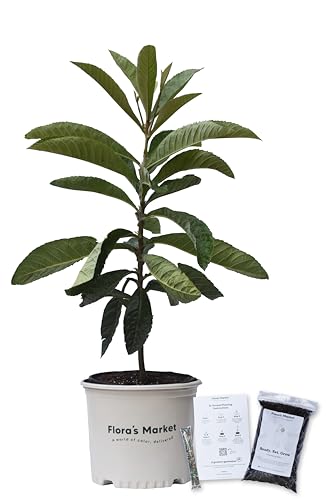
SWEET, TROPICAL FRUIT - Loquat trees produce juicy, pear-shaped fruit with a unique, tangy-sweet flavor, perfect for fresh eating or making jams

FREE EXTRA SEEDS!! Avergo’s bonzie starter kit comes with additional seed packets just in case you’ll need more
Winter Protection Strategies for Loquat Trees
Loquat trees, while typically suited for warmer climates, can face challenges in Connecticut’s winter months. To ensure their survival, it’s essential to implement effective winter protection strategies. This section outlines practical methods to safeguard your loquat trees from harsh cold and frost, helping them thrive despite the seasonal challenges.
Preparing loquat trees for winter is essential to ensure their survival in Connecticut’s colder climate. The following strategies can help protect these trees from frost and freezing temperatures.
Recommended Products

10FT X 40FT Larger Size Plant Cover:Our plant covers freeze protection is 10 feet x 40 feet, larger than the ordinary 10 x 30 feet in the market, which enables you to cover larger areas and more plants. The frost cloth plant freeze protection can be easily cut with scissors into different sizes you need, and cover your plants with single layer or doubled or tripled layer as you like

【All-Purpose Garden Plant Cover】Faraer Floating Row Cover is a polypropylene garden covers that transmits 70 percent of available light. It keeps heat in, bugs out, and is an excellent windbreak for young transplants. It allows rain and overhead irrigation to reach plants and soil. Secure with ground stakes (sold separately).

Heat insulation and cold protection: Sacks, burlap tree films, and plant blankets have good heat insulation effects, effectively blocking cold air, providing plants with a warm and comfortable environment, and keeping plants alive in winter.
Use Mulch for Insulation
Loquat trees can struggle with the harsh winters in Connecticut, making proper care essential for their survival. One effective strategy is using mulch, which provides insulation and protects the roots from freezing temperatures. This method not only helps maintain soil moisture but also contributes to the overall health of the tree during the cold months.
Applying a thick layer of mulch around the base of the tree can help insulate the roots. This layer should be made of organic materials such as wood chips or straw.
Thickness: Aim for 3 to 4 inches of mulch.
Coverage: Extend mulch out to the drip line of the tree.
Trunk Wrapping for Frost Protection
Trunk wrapping is an essential practice for protecting loquat trees from harsh winter conditions in Connecticut. By insulating the trunk, you can help prevent frost damage and ensure the tree’s health during the cold months. This method not only safeguards the tree but also enhances its chances of thriving in a challenging climate.
Wrapping the trunk with burlap or tree wrap can protect it from frost damage. This method is especially useful for young trees that are more vulnerable.
Timing: Wrap the trunk before the first frost.
Material: Use breathable materials to prevent moisture buildup.
Microclimate Strategies for Loquat Trees
Creating a suitable microclimate is essential for loquat trees to thrive in Connecticut’s challenging winters. This section explores effective strategies to enhance local conditions, ensuring these trees can withstand colder temperatures and flourish despite the region’s climate. By implementing these techniques, gardeners can improve the chances of successful loquat cultivation.
Creating a microclimate can provide additional warmth for loquat trees. This can be achieved by planting them near a south-facing wall or using windbreaks.
Heat-Reflective Planting Strategies
When considering the cultivation of loquat trees in Connecticut, understanding heat-reflective planting strategies is essential for their winter survival. These techniques can help mitigate the challenges posed by the colder climate, ensuring that the trees receive adequate warmth and protection. Implementing these strategies can significantly enhance the chances of successful growth and fruit production in this region.
Positioning loquat trees near structures that absorb heat can help them survive winter.
Heat Retention: Walls and fences can radiate warmth.
Windbreaks: Planting shrubs or trees to block cold winds.
Frost Cloth Application Techniques
When growing loquat trees in Connecticut, protecting them from winter frost is essential for their survival. Utilizing frost cloth can provide the necessary insulation to safeguard these delicate trees during cold snaps. Understanding the best application techniques will help ensure your loquats thrive despite the challenges of the winter season.
Frost cloths can be draped over the trees during cold snaps. These lightweight covers can trap heat and protect from frost.
Application: Cover trees in the evening and remove in the morning.
Material: Use breathable fabrics to allow light penetration.
Winter Temperature Monitoring for Loquat Trees
Monitoring winter temperatures is crucial for the successful growth of loquat trees in Connecticut. These subtropical plants can struggle in colder climates, making it essential to track temperature fluctuations and take appropriate measures to protect them. Understanding how to effectively monitor and respond to winter conditions will help ensure the health and survival of your loquat trees.
Regular monitoring of temperature and weather conditions is vital for loquat tree care during winter.
Tracking Temperature for Loquat Protection
Understanding how temperature fluctuations impact loquat trees is crucial for their survival in Connecticut’s challenging winters. This section delves into effective strategies for monitoring and managing temperature conditions to protect these trees from cold damage, ensuring they thrive despite the harsh climate. Proper temperature tracking can make a significant difference in the health and productivity of loquat trees during the winter months.
Place outdoor thermometers near your loquat trees to track temperature changes. This will help you determine when to implement protective measures.
Placement: Position thermometers in shaded areas for accurate readings.
Alerts: Set reminders for cold weather alerts.
Soil Moisture Management Before Freezing
Proper soil moisture management is crucial for the survival of loquat trees in Connecticut’s winter climate. As temperatures drop, understanding how to maintain optimal moisture levels can significantly impact the trees’ resilience against freezing conditions. This section outlines effective strategies to ensure your loquat trees are well-prepared for the winter months ahead.
Maintaining adequate soil moisture is crucial, especially before a freeze. Dry soil can lead to root damage.
Testing: Use a moisture meter or dig down to check soil dampness.
Watering: Water the trees before a forecasted freeze.
Winter Preparation Supplies for Loquat Trees
Preparing loquat trees for winter in Connecticut requires careful selection of supplies to ensure their survival during harsh conditions. This section outlines essential materials and tools that will help protect these trees from frost and cold temperatures, enabling them to thrive even in a challenging climate. Proper preparation is key to successfully nurturing loquat trees through the winter months.
Before winter arrives, gather essential gear and supplies to protect your loquat trees.
| Item | Purpose |
|---|---|
| Mulch | Insulation for roots |
| Burlap | Trunk wrapping |
| Frost cloths | Frost protection |
| Thermometers | Temperature monitoring |
| Moisture meters | Soil moisture checks |
Recommended Products

PACKAGE: The package includes 4Pcs plant covers,will meet your daily use or replacement. Measuring 31.5" x 47.3", the plant protector is waterproof, windproof.

The Large plant cover is perfect for Plant size 55''-70"high and 84''-94" round, Heavy-weight FRCs (1.77oz./sq. yard): usually used to extend the growing season in spring and fall, allow 40%-60% light transmittance, and recommend 3°-8°F of freeze protection
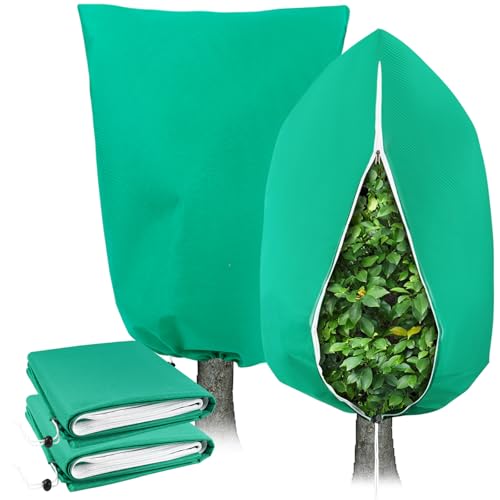
PLANT COVERS FREEZE PROTECTION FOR WINTER:You will receive 2 pack 47 * 72 inch frost blankets cloths for outdoor plants, designed specifically for outdoor plant protection, which can resist frost, snow, rain, wind, hail, animals, insects, birds, etc. Frost cloths for outdoor plants providing sufficient coverage space and is very suitable for shrubs, small trees, flowers, vegetables, etc
Winter Care Strategies for Loquat Trees
Loquat trees, known for their delicious fruit, face unique challenges in Connecticut’s winter climate. To ensure their survival and health during the colder months, specific care strategies are essential. This section outlines effective techniques to protect loquat trees from frost and harsh weather, enabling them to thrive year after year.
Implementing the winter care steps is critical for the survival of loquat trees. Follow this sequence for effective protection.
Apply mulch around the base of the tree.
Wrap the trunk with burlap before frost.
Create a microclimate by positioning near heat sources.
Monitor temperature regularly with thermometers.
Check soil moisture before cold snaps.
Failure to implement these protective measures can lead to tree damage or death during winter.
Spring Growth Assessment for Loquat Trees
Assessing the spring growth of loquat trees is crucial for understanding their adaptability in Connecticut’s climate. This evaluation focuses on how these trees respond to the seasonal changes and the specific conditions that influence their development after winter dormancy. By examining key growth indicators, we can better determine the viability of loquats in this region.
After winter, assess the health of your loquat trees. Look for signs of new growth and overall vitality.
New Leaves: Healthy trees will produce new leaves.
Flowers: Look for flowering, which indicates successful winter survival.
Monitoring and adjusting care based on your observations will help ensure the long-term success of loquat trees in Connecticut.
