

Peach trees thrive in Kentucky’s Bluegrass Region due to its favorable climate and soil conditions. Understanding the specific climate factors can enhance peach tree growth and fruit production, ensuring a successful harvest.
Bluegrass Region Climate Impact on Peach Trees
The climate in Kentucky’s Bluegrass Region is characterized by distinct seasons, which significantly affect peach tree cultivation. The region experiences warm summers and cold winters, with average temperatures ranging from 20°F in winter to 85°F in summer. The growing season typically spans from late March to early November, allowing ample time for peach trees to blossom and produce fruit.
| Climate Factor | Average Value |
|---|---|
| Winter Temperature | 20°F |
| Summer Temperature | 85°F |
| Growing Season | 7-8 months |
| Annual Rainfall | 40-45 inches |
Soil Conditions for Kentucky Peach Trees
Understanding the soil conditions is crucial for successful peach tree cultivation in Kentucky’s Bluegrass Region. This area presents unique challenges and opportunities that can significantly impact growth and fruit production. Analyzing the soil’s composition, drainage, and pH levels will provide valuable insights for both novice and experienced growers.
Peach trees require well-draining soil rich in organic matter. Soil pH should ideally range from 6.0 to 7.0 for optimal growth.
Soil testing is crucial to determine nutrient levels and pH balance. Amendments such as compost or aged manure can improve soil quality.
Soil Sample Collection Techniques
Understanding the soil characteristics is essential for cultivating healthy peach trees in Kentucky’s Bluegrass Region. This section delves into effective techniques for collecting soil samples, ensuring accurate analysis and optimal growing conditions. By employing these methods, growers can better assess soil health and make informed decisions for their orchards.
Collect Soil Samples
Use a soil probe to gather samples from multiple locations in the planting area.Send Samples to a Lab
Choose a reputable agricultural lab for analysis.Review Results
Analyze pH and nutrient levels to determine necessary amendments.Amend Soil Accordingly
Incorporate organic matter based on lab recommendations.
Frost Threats to Kentucky Peach Trees
In the Bluegrass region of Kentucky, the unique climate poses significant challenges for peach tree cultivation, particularly due to the threat of frost. Understanding how frost affects these trees is crucial for farmers and gardeners aiming to protect their crops and maximize yields. This section delves into the specific frost risks that peach trees face in this area.
Frost is a significant threat to peach trees, especially during the early blooming stage. Late spring frosts can damage blossoms and reduce fruit yield. Understanding frost dates and implementing protective measures can mitigate this risk.
Recommended Products

Revolutionary Anti-freeze Protection: Plant covers freeze protection is made of 100% Reliable non-woven thickened polypropylene fabric Because the frost cloth fabric Thickness is 3.2 oz/yd² thicker and warmer, tear resistant than less expensive 1.3 oz/yd² fabric. Provides up to 2° F(-17℃) frost protection. In winter, frost blankets for outdoor plants can form a insulation layer for plants to isolate cold air and retain the oxygen required for plant respiration

PLANT COVERS FREEZE PROTECTION FOR WINTER:You will receive 4 pack 32 * 24 inch frost blankets cloths for outdoor plants, designed specifically for outdoor plant protection, which can resist frost, snow, rain, wind, hail, animals, insects, birds, etc. Frost cloths for outdoor plants providing sufficient coverage space and is very suitable for shrubs, small trees, flowers, vegetables, etc

The Large plant cover is perfect for Plant size 55''-70"high and 84''-94" round, Heavy-weight FRCs (1.77oz./sq. yard): usually used to extend the growing season in spring and fall, allow 40%-60% light transmittance, and recommend 3°-8°F of freeze protection
Frost Cloths for Peach Tree Protection
Protecting peach trees from unexpected frost is crucial for successful cultivation in Kentucky’s Bluegrass Region. Frost cloths serve as an effective barrier against cold temperatures, ensuring that young buds and blossoms remain safe during vulnerable periods. Understanding how to properly use these materials can significantly enhance the resilience of peach trees in this climate.
Cover Trees at Night
Use frost cloths or blankets to cover trees during predicted frost events.Watering Techniques
Watering trees before a frost can create a microclimate that raises temperature around the tree.Wind Machines
Consider installing wind machines to circulate warmer air during frost events.
Integrated Pest Strategies for Peach Trees
Effective pest management is crucial for maintaining healthy peach trees in Kentucky’s Bluegrass Region. This section explores integrated pest strategies tailored to the unique climate and environmental conditions of the area, providing practical solutions to combat common threats while promoting sustainable practices. Understanding these strategies will help growers protect their crops and enhance productivity.
Pests can severely impact peach tree health and fruit quality. Common pests include aphids, spider mites, and peach tree borers. Implementing an integrated pest management strategy is essential for maintaining tree health.
Recommended Products

Used Book in Good Condition


SAVE YOUR TREES: Our specially-formulated Insect Barrier Adhesive can be combined with standard plastic wrap to create tree band sticky traps for bugs. Tree bands are effective at controlling and monitoring invasive species like the spotted lanternfly, cankerworms, moths, black vine weevils, ants, caterpillars, and stink bugs, cicadas, cutworms and other crawling insects
Pest Management Strategies for Peach Trees
Effective pest management is crucial for the health and productivity of peach trees in Kentucky’s Bluegrass Region. This section explores various strategies tailored to the unique climate and pest challenges faced by growers, providing insights into both preventative measures and treatment options to ensure robust fruit production. Understanding these strategies can help cultivate a thriving peach orchard.
Regular Inspections
Conduct weekly inspections for signs of pest activity.Natural Predators
Introduce beneficial insects like ladybugs to control aphid populations.Organic Pesticides
Use neem oil or insecticidal soap as a treatment for infestations.Cultural Practices
Maintain tree health through proper watering and fertilization to reduce pest susceptibility.
Peach Harvest Timing and Care Techniques
Harvesting peach trees at the right time is crucial for optimal flavor and texture. Peaches should be picked when they are fully colored and slightly soft to the touch. Proper handling and storage post-harvest can enhance shelf life and quality.
Recommended Products

【ANTI-SLIP HANDLE DESIGN】: The two-color anti-slip handle of the fruit pruning shears is ergonomically designed made of high purity PP+TRP secondary injection molding. Garden Pruning Shears handle is comfortable to grip and save energy. Garden shears has strong toughness and strength, which provides a strong grip and toughness for long-term use.

AMBIDEXTROUS DESIGN: Pruner shape is designed for both right and left-handed use while pruning indoor & outdoor plants such as shrubs, ornamental trees, vines, & flowers like roses; SoftGrip handle reduces hand fatigue & enhances comfort and control
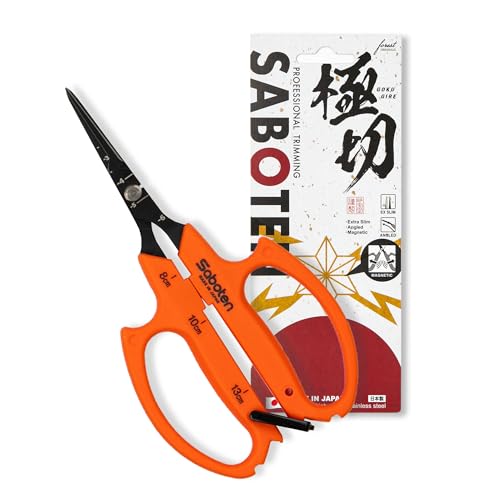
✅【Automatic Magnetic “Springless” Action】 Feel the difference immediately: the built-in magnetic repulsion reopens the blades smoothly after every cut. No metal spring fatigue, no wobble, just a clean, consistent rhythm that’s ideal for repetitive trimming and harvesting.
Peach Harvesting Guidelines for Kentucky
Successfully harvesting peaches in Kentucky requires an understanding of the unique climate conditions of the Bluegrass Region. This section outlines essential guidelines for timing, techniques, and best practices to ensure a fruitful peach harvest, considering factors like weather patterns and local soil conditions. Proper preparation and knowledge can significantly enhance the quality and yield of your peach crop.
Check Color and Firmness
Look for a uniform color and gentle softness.Use Proper Tools
Utilize pruning shears to avoid damaging the fruit.Store Carefully
Place harvested peaches in a cool, shaded area to prevent bruising.
| Harvesting Tip | Description |
|---|---|
| Color Check | Look for a rich, uniform color. |
| Softness Test | Gently squeeze for slight give. |
| Storage | Keep in cool, shaded areas. |
Year-Round Care for Kentucky Peach Trees
Caring for peach trees in Kentucky’s Bluegrass Region requires attention to the unique climate conditions throughout the year. Understanding seasonal variations is crucial for ensuring healthy growth and fruit production. This section outlines essential year-round care practices tailored to the specific needs of peach trees in this region.
Regular maintenance throughout the year ensures healthy peach trees. Seasonal tasks include pruning, fertilizing, and watering. Each season presents unique challenges and opportunities for tree care.
Spring Pruning and Fertilization Guide
Spring is a crucial time for peach trees in Kentucky’s Bluegrass Region, as proper pruning and fertilization can significantly impact their growth and fruit production. This guide offers essential techniques and timing recommendations to ensure your peach trees thrive during this vital season, setting the stage for a bountiful harvest.
Spring
Prune trees and apply fertilizer.Summer
Monitor for pests and ensure adequate watering.Fall
Clean up fallen leaves and debris to prevent disease.Winter
Protect trees from harsh weather with mulch and covers.
Neglecting seasonal maintenance can lead to poor fruit production and tree health.
