

Banana trees can grow in Madison, WI, but only with careful planning and protection from harsh winters. These tropical plants require specific conditions to thrive, including adequate warmth and moisture, which can be challenging in the Upper Midwest.
Banana Tree Varieties for Upper Midwest Growth
Exploring banana tree varieties suitable for growth in Madison, WI reveals a fascinating intersection of climate adaptability and horticultural innovation. While the Upper Midwest presents unique challenges, certain cultivars have shown promise in thriving despite the region’s cooler temperatures. Understanding these varieties can empower local gardeners to cultivate their own tropical oasis.
Banana trees belong to several species, each with unique characteristics. Selecting the right variety is crucial for successful growth in Madison’s climate. The most common types include:
Cavendish: This is the most widely cultivated variety. It produces sweet bananas and grows well in warm conditions.
Dwarf Brazilian: This variety is smaller and more suitable for container growth. It can tolerate cooler temperatures better than larger varieties.
Red Dacca: Known for its reddish skin, this variety has a unique flavor. It requires more warmth but can be grown in a greenhouse.
Choosing the right variety will determine your success in growing banana trees in the region.
Optimal Environment for Banana Tree Growth
Banana trees thrive in warm, tropical climates, making their cultivation in Madison, WI, a challenge. Understanding the optimal environment for these plants is crucial for successful growth in the Upper Midwest. This section explores the specific conditions necessary to create a suitable habitat for banana trees in a region known for its colder temperatures.
Banana trees thrive in specific environmental conditions. Understanding these requirements will help you create the best growing environment.
Temperature: Ideal temperatures range from 75°F to 95°F. Protecting the trees from frost is essential.
Sunlight: Full sun exposure is necessary for optimal growth. Aim for at least six hours of direct sunlight daily.
Soil: Well-draining, nutrient-rich soil is crucial. A pH level between 5.5 and 7.0 is ideal.
Creating a microclimate can enhance these conditions, allowing banana trees to flourish even in cooler climates.
Recommended Products

The Large plant cover is perfect for Plant size 55''-70"high and 84''-94" round, Heavy-weight FRCs (1.77oz./sq. yard): usually used to extend the growing season in spring and fall, allow 40%-60% light transmittance, and recommend 3°-8°F of freeze protection

PACKAGE: The package includes 4Pcs plant covers,will meet your daily use or replacement. Measuring 31.5" x 47.3", the plant protector is waterproof, windproof.

Revolutionary Anti-freeze Protection: Plant covers freeze protection is made of 100% Reliable non-woven thickened polypropylene fabric Because the frost cloth fabric Thickness is 3.2 oz/yd² thicker and warmer, tear resistant than less expensive 1.3 oz/yd² fabric. Provides up to 2° F(-17℃) frost protection. In winter, frost blankets for outdoor plants can form a insulation layer for plants to isolate cold air and retain the oxygen required for plant respiration
Optimal Garden Conditions for Banana Trees
Growing banana trees in Madison, WI, presents unique challenges due to the region’s climate. Understanding the optimal garden conditions is essential for successfully cultivating these tropical plants in the Upper Midwest. This section delves into the specific requirements for soil, sunlight, and temperature to help you create a thriving environment for your banana trees.
Preparation is key to successful banana tree cultivation. Follow these steps to ensure a healthy growing environment.
Select a Location: Choose a sunny spot with protection from wind.
Amend the Soil: Mix organic compost into the soil to improve drainage and nutrient content.
Planting: Space the trees at least 6 feet apart to allow for growth. Dig a hole twice the size of the root ball.
These steps will create a solid foundation for your banana trees.
Winter Protection Strategies for Banana Trees
Banana trees, while tropical in nature, can be cultivated in Madison, WI, with the right winter protection strategies. As temperatures drop, it’s essential to implement effective methods to shield these plants from harsh conditions, ensuring they survive and thrive until warmer months return. Understanding these strategies is crucial for successful banana tree cultivation in the Upper Midwest.
Madison winters can be harsh, making protection essential for banana trees. Implementing the following strategies can help.
Mulching: Apply a thick layer of mulch around the base to insulate the roots.
Covering: Use frost cloths or burlap to cover the trees during cold snaps.
Container Growing: Consider growing banana trees in pots. This allows you to move them indoors during winter.
Taking these precautions will increase the chances of your banana trees surviving the cold months.
Recommended Products

Protect Plants From Frostbite: 2.2 oz/sq yard non-woven fabric as the material of plant cover to protect your plant against freeze, frost and other cold weather during winter

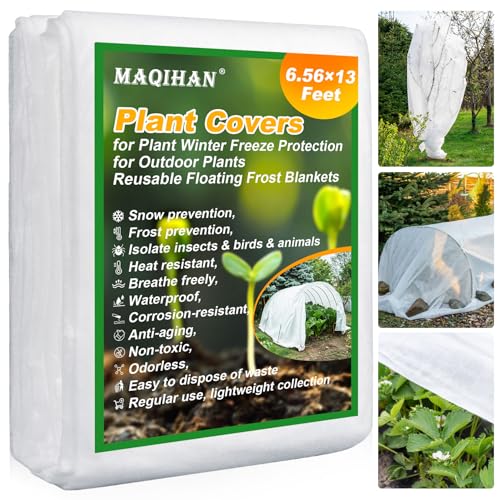
Product Features: Our plant covers are ideal for protecting all plant. Made from premium 1 oz/sq non-woven fabric, their durability and breathability ensuring both insulation against frost and facilitation of sunlight penetration for healthy plant growth
Watering Techniques for Healthy Banana Trees
Successfully growing banana trees in Madison, WI requires careful attention to watering techniques. Given the region’s climate, understanding how to provide adequate moisture while preventing root rot is essential for promoting healthy growth. This section explores effective watering strategies tailored to the unique challenges of the Upper Midwest.
Proper watering and fertilization are vital for healthy banana trees. These plants require consistent moisture and nutrients.
Watering: Maintain soil moisture without waterlogging. Water deeply once a week, increasing frequency during dry spells.
Fertilizing: Use a balanced fertilizer every 4-6 weeks during the growing season. Look for fertilizers high in potassium, as this promotes fruit development.
Monitoring these factors will ensure your banana trees remain healthy and productive.
Recommended Products
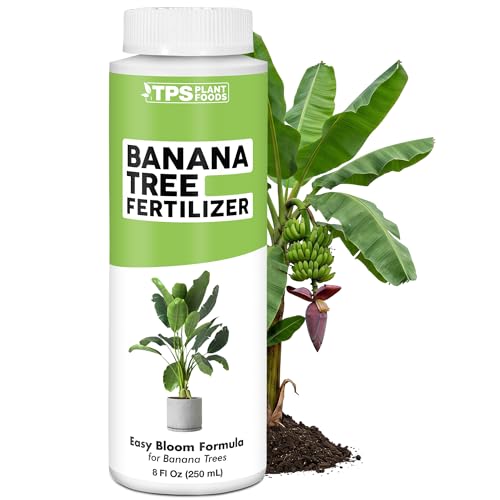
Made for Banana Trees – Specially formulated banana fertilizer designed to support the nutrient needs of banana plants.

PREMIUM FUEL LIQUID FERTILIZER: Wellspring Gardens Banana Fuel Liquid Fertilizer Concentrate provides a quality nutrient blend with minor elements that could grow your plants. Its 3-1-6 formula ratio is the ideal fertilizer ration according to University of Florida which is what our product is made of.

2X MORE VALUE: The 16 oz bottle of Banana Plant Fertilizer makes 16 gallons of banana fertilizer for fruit trees, while the bigger size 32 oz bottle makes 32 gallons for lasting care of your banana trees.
Pests and Diseases Affecting Banana Trees
Banana trees, while exotic and appealing, are not immune to the pests and diseases that can threaten their growth, especially in a climate like Madison, WI. Understanding the specific challenges these trees face in the Upper Midwest is crucial for successful cultivation. This section delves into the common pests and diseases that can impact banana trees in this region.
Banana trees can be susceptible to various pests and diseases. Being vigilant can prevent significant issues.
| Pest/Disease | Symptoms | Treatment |
|---|---|---|
| Aphids | Leaf curling, stunted growth | Insecticidal soap or neem oil |
| Spider mites | Webbing, yellowing leaves | Increase humidity, use miticides |
| Fusarium wilt | Yellowing leaves, wilting | Remove infected plants, improve drainage |
Regular inspection and prompt action will help maintain the health of your banana trees.
Optimal Banana Harvest Timing in Madison
Understanding the optimal timing for banana harvests in Madison, WI is crucial for successfully cultivating these tropical plants in a temperate climate. Given the region’s unique growing conditions, knowing when to harvest can significantly impact the quality and yield of the fruit. This section explores the best practices and timing for harvesting bananas in this area.
Harvesting bananas requires patience and timing. Knowing when to pick is essential for the best flavor.
Timing: Bananas are ready to harvest when they turn from green to yellow. This typically occurs 75-80 days after flowering.
Cutting: Use a sharp knife to cut the bunch from the tree. Handle carefully to avoid bruising.
Proper harvesting techniques will ensure you enjoy sweet, homegrown bananas.
Optimal Practices for Banana Cultivation
Growing banana trees in Madison, WI presents unique challenges due to the region’s climate. Understanding optimal practices for banana cultivation is essential for success in this Upper Midwest environment. By implementing specific techniques and strategies, gardeners can enhance their chances of nurturing healthy banana plants despite the colder temperatures.
Growing banana trees in Madison can be rewarding with the right approach. Ensure you select suitable varieties, prepare your garden well, and protect your plants during winter. Regular care will lead to successful fruit production.
