

Growing banana trees in Buffalo, NY is challenging due to the region’s cold climate. To successfully cultivate these tropical plants, you need to implement specific survival strategies that account for the lake effect and harsh winters.
Buffalo Climate Insights for Banana Cultivation
Buffalo’s unique climate, influenced by its proximity to Lake Erie, presents both challenges and opportunities for growing banana trees. Understanding the region’s temperature fluctuations, humidity levels, and seasonal variations is essential for successful cultivation. This section delves into the specific climate insights that can help gardeners in Buffalo thrive with their banana trees.
Buffalo experiences a humid continental climate, characterized by cold winters and warm summers. The lake effect can lead to significant snowfall and temperature drops. Understanding these conditions is crucial for successful banana tree cultivation.
Cold-Hardy Banana Varieties for Buffalo
In Buffalo’s unique climate, selecting the right banana varieties is crucial for successful growth. Cold-hardy options can withstand the region’s chilly temperatures while still producing fruit. This section explores the best banana varieties suited for Buffalo, ensuring gardeners can enjoy the tropical taste even in a northern setting.
Selecting the right banana variety is essential for survival in colder climates. Some varieties are more tolerant of lower temperatures and shorter growing seasons. Consider these options:
Dwarf Cavendish: Grows well in containers and can be moved indoors during winter.
Musa basjoo: Hardy to zone 5, this variety can survive winter with adequate protection.
Ice Cream Banana: Known for its sweet fruit and moderate cold tolerance.
| Variety | Cold Tolerance | Height | Fruit Quality |
|---|---|---|---|
| Dwarf Cavendish | Moderate | 4-5 feet | Excellent |
| Musa basjoo | High | 6-12 feet | Good |
| Ice Cream Banana | Moderate | 6-10 feet | Excellent |
Optimal Site Selection for Banana Trees
Selecting the right site for banana trees in Buffalo, NY is crucial for their survival, especially given the region’s unique climate challenges. Understanding factors such as sunlight exposure, soil quality, and protection from harsh winds can significantly enhance the chances of successful growth. This section delves into the best practices for choosing an optimal location for your banana trees.
Selecting the right location for your banana trees is vital. The site should receive full sun and have well-draining soil. Here are some preparation steps:
Choose a sunny spot: Aim for at least 6-8 hours of direct sunlight daily.
Test the soil: Ensure pH levels are between 5.5 and 7.0 for optimal growth.
Improve drainage: Amend heavy clay soils with organic matter to prevent root rot.
Recommended Products

The Large plant cover is perfect for Plant size 55''-70"high and 84''-94" round, Heavy-weight FRCs (1.77oz./sq. yard): usually used to extend the growing season in spring and fall, allow 40%-60% light transmittance, and recommend 3°-8°F of freeze protection

PACKAGE: The package includes 4Pcs plant covers,will meet your daily use or replacement. Measuring 31.5" x 47.3", the plant protector is waterproof, windproof.
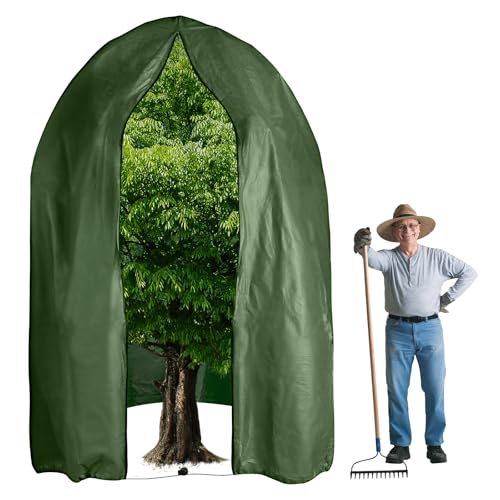
Extra Large Size:Our winter plant covers are designed with a super large size,It is about 110"x79", which is large enough to fit the plants easily, suit for protecting large plants and provides better protection from wind,snow,ice frost damage
Winter Strategies for Banana Tree Protection
Buffalo’s harsh winters pose unique challenges for banana trees, which thrive in warmer climates. To ensure these tropical plants survive the cold months, it’s essential to implement effective winter protection strategies. This section outlines practical tips and techniques to safeguard your banana trees from freezing temperatures and lake-effect snow.
Winter protection is crucial for banana trees in Buffalo. Implement these strategies to safeguard your plants:
Mulch heavily: Use straw or wood chips to insulate the roots.
Wrap trunks: Use burlap or frost cloth to protect the trunk from freezing temperatures.
Use heat mats: Place under pots if growing in containers to provide additional warmth.
Irrigation and Nutrient Strategies for Bananas
Successfully growing banana trees in Buffalo, NY requires careful attention to irrigation and nutrient management, especially given the region’s unique climate challenges. Understanding how to effectively water and nourish these tropical plants will help ensure their growth and fruit production, even in the face of lake effect weather conditions. This section explores essential strategies to optimize these critical aspects of banana cultivation.
Proper watering and fertilization are essential for healthy growth. Follow these guidelines to ensure your banana trees thrive:
Water regularly: Keep the soil consistently moist but not soggy.
Use balanced fertilizer: Apply a 10-10-10 or 20-20-20 fertilizer every 4-6 weeks during the growing season.
Monitor nutrient levels: Adjust based on plant growth and leaf color.
Recommended Products
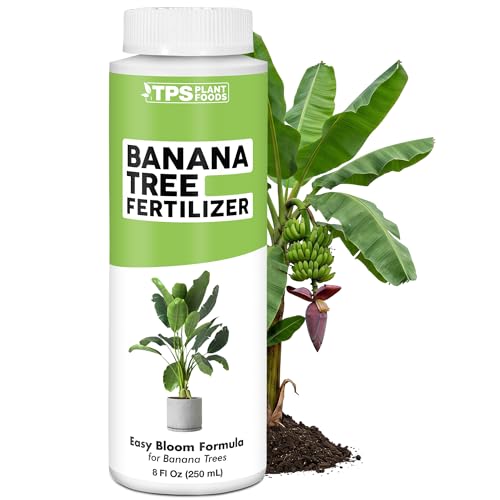
Made for Banana Trees – Specially formulated banana fertilizer designed to support the nutrient needs of banana plants.

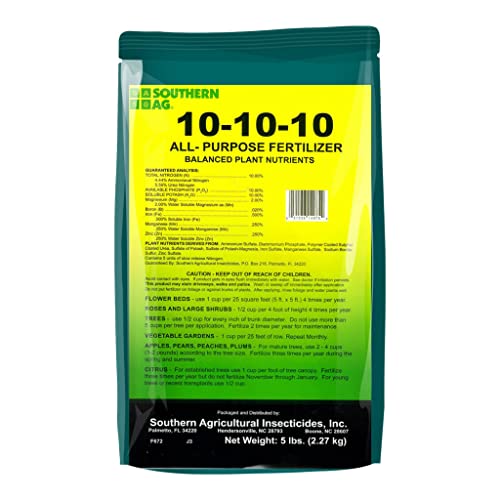
🌿 Balanced 10-10-10 Granular Fertilizer for Outdoor & Indoor Plants: All-purpose plant food with 10% Nitrogen, 10% Phosphorus, and 10% Potassium. Perfect for outdoor vegetable gardens, fruit trees, evergreens, shrubs, lawns, and flowers. Also great for potted plants and indoor gardening. One solution for all your plant needs!
Banana Tree Pest Control Techniques
Successfully growing banana trees in Buffalo, NY requires not only attention to climate but also effective pest control strategies. Given the unique challenges posed by the local environment, understanding how to manage pests is crucial for ensuring healthy growth and fruit production. This section explores practical techniques to protect your banana trees from common pests in the region.
Pests can pose a threat to banana trees. Implement these management strategies to keep your plants healthy:
Inspect regularly: Check for signs of aphids, spider mites, and mealybugs.
Use insecticidal soap: Apply as needed to control infestations without harming beneficial insects.
Encourage natural predators: Attract ladybugs and lacewings to help manage pest populations.
Buffalo Banana Tree Seasonal Care Guide
Growing banana trees in Buffalo, NY, requires careful attention to seasonal changes due to the region’s unique climate. Understanding the specific care needed throughout the year can help ensure these tropical plants thrive despite the challenges posed by cold winters and fluctuating temperatures. This guide provides essential tips for maintaining healthy banana trees in Buffalo’s distinct environment.
Seasonal care is essential for the health of banana trees in Buffalo. Each season requires specific attention to ensure survival and productivity.
Spring: Fertilize and prepare the soil for planting. Transplant any container-grown trees outside after the last frost.
Summer: Monitor moisture levels and provide shade during extreme heat. Continue regular fertilization.
Fall: Harvest any fruit and begin preparations for winter protection.
| Season | Key Actions |
|---|---|
| Spring | Fertilize and transplant |
| Summer | Monitor moisture and fertilize |
| Fall | Harvest and prepare for winter |
Buffalo Banana Tree Care Strategies
Caring for banana trees in Buffalo, NY, requires a tailored approach due to the region’s unique climate challenges. Understanding the specific needs of these tropical plants can help ensure their survival and growth despite the cold winters and variable weather. The following strategies will provide essential insights for successfully nurturing banana trees in this northern environment.
Growing banana trees in Buffalo requires careful planning and execution. Always be prepared for unexpected weather changes and adjust your care routine accordingly. Regular maintenance will help your banana trees flourish in this challenging climate.
