

Lime trees thrive in Cincinnati, OH, thanks to the region’s favorable climate and soil conditions. Proper care and knowledge of local growth secrets can maximize fruit yield and tree health.
Cincinnati Lime Tree Varieties and Characteristics
Cincinnati’s unique climate and soil conditions support a variety of lime trees that thrive in the region. Understanding the specific types of lime trees and their distinct characteristics can help local gardeners and landscapers select the best options for their needs. This section delves into the most popular lime tree varieties found in Cincinnati and their growth traits.
Cincinnati’s climate supports several lime tree varieties, each with unique characteristics. The most common types include the Persian lime and the Key lime.
Persian limes are larger, seedless, and more tolerant of colder temperatures. Key limes, while smaller and seedier, are prized for their intense flavor. Knowing which variety to plant is crucial for successful growth.
| Lime Variety | Size | Flavor Profile | Cold Tolerance |
|---|---|---|---|
| Persian Lime | Large | Mild | Moderate |
| Key Lime | Small | Intense | Low |
Recommended Products
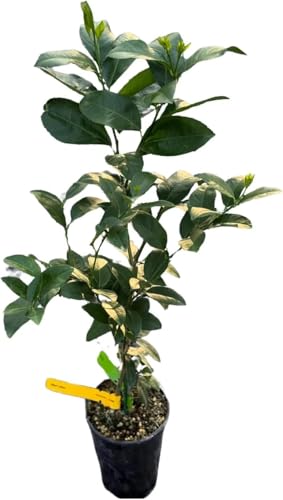
The Persian Lime Fruit Tree Live Plant, is Fully Rooted Indoor Garden House Plant Ready for Your Plant Collection! These Lime Citrus Tree Plants are Great Smelling Aromatics. Includes a required winter heat pack for safe cold-weather shipping.

BRIGHTEN YOUR SPACE WITH CITRUS APPEAL: The Persian lime tree features vibrant leaves and glossy green fruit, adding freshness to indoor or patio spaces. Due to USDA regulations, we do not ship to freight forwarding locations, hotels, PO Boxes, Military (AFO/FPO), AZ, AL, CA, LA, HI, TX, Puerto Rico, Guam, U.S. Virgin Islands, American Samoa, and Northern Mariana Islands. Suited for mother's day gifts, plant gifts for women, and plant gifts for mom for growing citrus at home.

Soil Requirements for Thriving Lime Trees
Understanding the soil requirements for lime trees is essential for successful cultivation in Cincinnati’s unique River Valley environment. The right soil composition not only supports healthy growth but also enhances fruit quality. This section delves into the specific soil characteristics that promote thriving lime trees in this region.
Lime trees prefer well-draining soil rich in organic matter. Conduct a soil test to determine pH levels, as lime trees thrive in slightly acidic to neutral pH (6.0 to 7.0).
Amend the soil with compost or well-rotted manure to improve fertility and drainage. Ensure the planting site has full sun exposure for at least six hours daily.
Soil Enrichment Techniques for Lime Trees
Cincinnati’s unique river valley environment presents both challenges and opportunities for cultivating lime trees. Understanding the specific soil enrichment techniques that enhance growth in this region is essential for successful cultivation. This section explores effective methods to improve soil quality, ensuring lime trees thrive in the local climate and conditions.
Compost: Enhances soil structure and nutrient content.
Peat Moss: Increases moisture retention while improving drainage.
Perlite: Aids in aeration and drainage.
Watering Strategies for Healthy Lime Trees
Effective watering is crucial for the health of lime trees in Cincinnati’s unique climate. Understanding the specific needs of these trees can enhance growth and fruit production, ensuring they thrive in the River Valley. This section explores tailored watering strategies that cater to the environmental conditions and soil types found in the region.
Watering is critical for lime tree health. Newly planted trees require consistent moisture to establish roots.
Once established, lime trees prefer deep watering sessions rather than frequent shallow watering. Aim for 1 to 2 inches of water weekly, adjusting for rainfall.
Lime Tree Watering Frequency Guide
Understanding the optimal watering frequency for lime trees is crucial for their growth and productivity, especially in the unique climate of Cincinnati, OH. This guide provides essential insights into how often to water these trees, ensuring they thrive in the river valley’s conditions while maximizing fruit yield and overall health.
| Stage of Growth | Watering Frequency |
|---|---|
| Newly Planted | 2-3 times per week |
| Established | Weekly |
Effective Pest Management for Lime Trees
Managing pests effectively is crucial for the health and productivity of lime trees in Cincinnati’s unique river valley environment. Understanding the specific challenges posed by local pests and implementing targeted strategies can significantly enhance tree growth and fruit yield. This section explores practical approaches to pest management tailored to the needs of lime trees in this region.
Cincinnati’s humid climate can attract pests like aphids and spider mites. Regularly inspect your lime trees for signs of infestation.
Use organic insecticidal soap or neem oil to manage pests effectively. Additionally, monitor for fungal diseases, which can be mitigated by ensuring good air circulation and avoiding overhead watering.
Recommended Products

#1 BEST PURE NEEM OIL FOR PLANTS: Zuprime Neem Oil concentrate is your go-to neem oil spray for indoor ornamental plants as well as neem oil spray for outdoor ornamental plants. It's made with 100% cold pressed high quality organic neem oil your plants need for a shiny glow.

POWERFUL CLEANSING: Our Neem and Cedarwood Bar Soap gently cleanses the skin, washes filth and leaving it feeling refreshed and energized.

FOR ORGANIC GARDENING: Use in & around the home & garden on roses, flowers, houseplants, ornamental trees & shrubs, fruits & vegetables
Pest Control Techniques for Lime Trees
Effective pest control is essential for maintaining the health of lime trees in Cincinnati’s unique river valley environment. This section explores various techniques tailored to combat common pests, ensuring that these trees thrive and produce abundant fruit. Understanding these methods can help local growers protect their lime trees from potential threats.
Aphids: Use insecticidal soap.
Spider Mites: Increase humidity and apply neem oil.
Fungal Diseases: Ensure proper spacing and airflow.
Fertilization Strategies for Lime Tree Productivity
Effective fertilization is crucial for maximizing the productivity of lime trees in Cincinnati’s unique river valley environment. Understanding the specific nutrient requirements and timing can significantly enhance growth and fruit yield. This section explores targeted fertilization strategies tailored to the region’s soil and climate conditions, ensuring healthy and thriving lime trees.
Fertilization plays a vital role in lime tree productivity. Use a balanced fertilizer specifically formulated for citrus trees.
Apply fertilizer in early spring and again in late summer. Follow the manufacturer’s instructions for application rates to avoid over-fertilization, which can harm the tree.
Citrus Fertilizer Recommendations for Growth
To ensure healthy growth and vibrant fruit production, lime trees in Cincinnati require specific nutritional support. The right fertilizer can significantly enhance their development, making it crucial to understand the best options available. This section outlines key fertilizer recommendations tailored for the unique conditions of the River Valley, helping you cultivate thriving lime trees.
| Fertilizer Type | N-P-K Ratio | Application Timing |
|---|---|---|
| Citrus Fertilizer | 8-2-10 | Early Spring |
| Organic Compost | Varies | Late Summer |
Pruning Techniques for Healthy Lime Trees
Proper pruning is essential for maintaining the health and productivity of lime trees in Cincinnati’s unique river valley climate. This section explores effective pruning techniques that not only promote vigorous growth but also enhance fruit quality, ensuring your lime trees thrive in this region’s specific conditions. Understanding these methods will help you cultivate a robust and fruitful lime tree.
Regular pruning helps maintain the shape and health of lime trees. Focus on removing dead or crossing branches to improve air circulation.
Prune in late winter before new growth begins. This practice encourages better fruit production and overall tree vigor.
Lime Tree Pruning Techniques for Cincinnati
Pruning lime trees is essential for maintaining their health and maximizing fruit production, especially in the unique climate of Cincinnati. Understanding the specific techniques that cater to the local environment can help gardeners achieve optimal growth and yield. This section delves into effective pruning strategies tailored for lime trees thriving in the River Valley.
Use sharp, clean tools to avoid damaging the tree.
Remove no more than 20% of the tree’s foliage in a single season.
Focus on shaping the tree while promoting healthy growth.
Frost Protection Strategies for Lime Trees
Cincinnati’s climate can pose challenges for lime trees, particularly during frost events. Understanding effective frost protection strategies is crucial for ensuring healthy growth and fruit production. This section explores practical methods to safeguard lime trees from cold temperatures, helping gardeners maintain thriving plants in the River Valley.
Cincinnati experiences temperature fluctuations that can impact lime tree growth. Protect young trees from frost by covering them during cold snaps.
Consider using mulch to regulate soil temperature and retain moisture. Keeping a close eye on local weather forecasts can help you take proactive measures.
Frost Protection Strategies for Lime Trees
In Cincinnati’s unique climate, protecting lime trees from frost is essential for healthy growth and fruit production. Understanding effective frost protection strategies can help gardeners safeguard their trees during the colder months, ensuring vibrant foliage and bountiful harvests. This section explores practical methods to shield lime trees from frost damage in the River Valley.
Frost Protection: Use fabric covers or blankets.
Mulching: Apply organic mulch to retain moisture and regulate temperature.
Optimal Lime Harvesting for Flavor
Harvesting limes at the right time is crucial for maximizing their flavor, especially in Cincinnati’s unique river valley climate. Understanding the optimal conditions for picking can significantly enhance the taste and quality of the fruit. This section explores the best practices for lime harvesting to ensure a flavorful yield.
Harvesting limes at the right time is essential for flavor. Limes are typically ready to pick when they turn a vibrant green and are firm to the touch.
Regularly check for size and color, as limes can ripen quickly. Picking them at the right time ensures the best taste and juiciness.
Lime Tree Harvesting Indicators
Understanding the key indicators for harvesting lime trees is essential for maximizing yield and quality in Cincinnati’s unique river valley climate. By recognizing the signs of ripeness and optimal harvesting times, growers can ensure a successful harvest that enhances both flavor and marketability. This section delves into the specific indicators to watch for as lime trees reach their peak.
Color: Bright green indicates ripeness.
Firmness: Should feel firm but slightly yielding.
Cincinnati Lime Tree Care Best Practices
Lime trees in Cincinnati require specific attention to soil, water, and pest management. Regular monitoring and proactive care will lead to healthy trees and abundant fruit. Adhering to these guidelines will help you achieve successful growth in the River Valley region.
