
Close Menu
    Fruit Tree Hub
    • Home
    • Apple Trees
    • Lemon Trees
    • Mango Trees
    • Orange Trees
    • More Trees
      • Best Fruit Trees
      • Apricot Trees
      • Cherry Trees
      • Fig Trees
      • Lime Trees
      • Mulberry Trees
      • Peach Trees
      • Pear Trees
      • Plum Trees
      • Pomegranate Trees
    • Tips and Advice
      • Tools
    • About Us
      • Contact
      • Privacy Policy
    Fruit Tree Hub
    Home»Planting»Growing Banana Trees in Raleigh, NC: Central Carolina Planting
    Planting

    Growing Banana Trees in Raleigh, NC: Central Carolina Planting

    Lucy SmithBy Lucy SmithOctober 10, 20255 Mins Read
    Share Facebook Twitter Pinterest WhatsApp Email
    Share
    Facebook Twitter LinkedIn Pinterest Telegram Email

    Growing banana trees in Raleigh, NC is feasible with proper planning and care. The climate in Central Carolina supports these tropical plants, provided you choose the right varieties and follow specific cultivation practices.

    Contents show
    1 Best Banana Varieties for Raleigh Climate
    2 Site Preparation for Banana Trees
    3 Optimal Banana Tree Planting Methods
    4 Banana Tree Watering and Fertilization Guide
    5 Banana Tree Pest Control Techniques
    6 Winter Protection Strategies for Banana Trees
    7 Banana Harvest Timing and Techniques
    8 Banana Tree Growth Monitoring Techniques

    Best Banana Varieties for Raleigh Climate

    When selecting banana varieties for Raleigh’s unique climate, it’s essential to consider both hardiness and yield. Certain types thrive better in the region’s conditions, offering the best chances for successful growth and fruit production. This section explores the top banana varieties suited to Central Carolina, ensuring you make informed choices for your garden.

    Choosing the correct banana variety is crucial for successful growth in Raleigh. Some varieties are more suited to cooler climates and can withstand occasional frost. Popular choices include:

    • Dwarf Cavendish: Compact size, sweet fruit, and hardy.

    • Blue Java: Known for its unique flavor and cold tolerance.

    • Ice Cream Banana: Produces large fruit with a creamy texture.

    Each of these varieties has specific growth requirements and fruiting timelines. Dwarf varieties are ideal for smaller spaces, while larger types may need more room.

    Site Preparation for Banana Trees

    Preparing the right site is crucial for successfully growing banana trees in Raleigh, NC. This region’s unique climate and soil conditions require careful consideration to ensure optimal growth. Proper site preparation will enhance drainage, sunlight exposure, and soil quality, setting the foundation for healthy banana plants.

    MUST READ
    Top Fruit Trees for Fresno, CA: Central Valley Harvest Secrets

    Preparation of the planting site is essential for healthy banana trees. Select a location that receives full sun and has well-draining soil. Consider the following steps:

    1. Test Soil pH: Aim for a pH between 5.5 and 7.0.

    2. Amend Soil: Add organic matter such as compost to improve fertility.

    3. Clear Weeds: Remove any competing vegetation to reduce nutrient competition.

    Proper site preparation can significantly enhance growth and yield.

    Optimal Banana Tree Planting Methods

    When cultivating banana trees in Raleigh, NC, understanding the best planting methods is crucial for success. The region’s unique climate and soil conditions require specific techniques to ensure healthy growth and fruitful yields. This section will explore the most effective strategies for planting banana trees in Central Carolina, tailored to local environmental factors.

    Planting your banana trees correctly sets the foundation for robust growth. Follow these steps for optimal planting:

    1. Dig a Hole: Make a hole twice the width of the root ball.

    2. Place the Plant: Position the banana plant at the same depth it was in its pot.

    3. Backfill: Fill the hole with soil, ensuring no air pockets form.

    4. Water Generously: Provide ample water immediately after planting.

    These techniques ensure that the roots establish well in the new environment.

    Recommended Products

    Soil Sunrise Banana Tree Potting Soil Mix (12 Quarts) – Hand-Blended Indoor/Outdoor Mix for Healthy Banana Plants – Enhances Drainage & Root Support – Made in USA
    Soil Sunrise Banana Tree Potting Soil Mix (12 Quarts) – Hand-Blended Indoor/Outdoor Mix for Healthy Banana Plants – Enhances Drainage & Root Support – Made in USA

    100% Natural: Custom blend for your indoor potted banana trees

    VIEW LATEST PRICE

    As an affiliate, we earn on qualifying purchases.

    Gardenera Premium Banana Tree Potting Mix - Expertly Formulated Blend for Optimal Growth and Fruit Production - Ideal for All Varieties of Banana Trees (2 Quart)
    Gardenera Premium Banana Tree Potting Mix - Expertly Formulated Blend for Optimal Growth and Fruit Production - Ideal for All Varieties of Banana Trees (2 Quart)

    🌱 High-Quality Ingredients: Our Banana Tree Potting Mix is carefully crafted using premium ingredients such as Canadian Peat Moss, New Zealand Bark, Worm Castings, Perlite, Sand, and Lime, ensuring optimal nutrition and growth for your banana trees.

    MUST READ
    Best Fruit Trees for Dallas, TX: Surviving Heat and Drought
    VIEW LATEST PRICE

    As an affiliate, we earn on qualifying purchases.

    Doter Premium Banana Tree Potting Mix for Optimal Seedling Growth 10qt, Suitable for All Indoor and Outdoor Banana Tree Varieties
    Doter Premium Banana Tree Potting Mix for Optimal Seedling Growth 10qt, Suitable for All Indoor and Outdoor Banana Tree Varieties

    【Natural & Organic】Our specially designed soil blend contains the precise balance of essential minerals and organic matter to support healthy root development and fruit production in banana plants

    VIEW LATEST PRICE

    As an affiliate, we earn on qualifying purchases.

    Banana Tree Watering and Fertilization Guide

    Proper watering and fertilization are crucial for the successful growth of banana trees in Raleigh, NC. This guide will provide essential tips on how to maintain optimal moisture levels and nutrient balance, ensuring your banana plants thrive in Central Carolina’s climate. Understanding these practices will help you cultivate healthy, productive trees.

    Establishing a consistent watering and fertilization schedule is vital for banana trees. They require regular moisture but do not tolerate standing water. Consider the following guidelines:

    TaskFrequencyNotes
    WateringWeeklyIncrease during dry spells
    FertilizingMonthlyUse a balanced fertilizer
    MulchingTwice a yearHelps retain soil moisture

    Adjust the frequency based on weather conditions and plant growth.

    Recommended Products
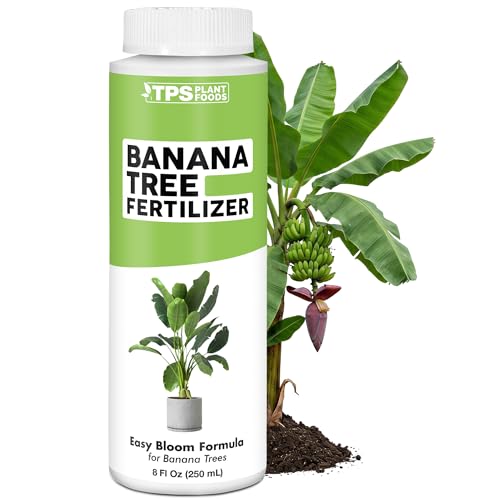
    Banana Tree Fertilizer, Liquid Plant Food for Healthy Growth, 8 oz | Indoor or Outdoor Use, For All Banana Tree Varieties, Helps Reduce Leaf Yellowing, Kelp-Enriched Formula, Easy Mix & Feed
    Banana Tree Fertilizer, Liquid Plant Food for Healthy Growth, 8 oz | Indoor or Outdoor Use, For All Banana Tree Varieties, Helps Reduce Leaf Yellowing, Kelp-Enriched Formula, Easy Mix & Feed

    Made for Banana Trees – Specially formulated banana fertilizer designed to support the nutrient needs of banana plants.

    VIEW LATEST PRICE

    As an affiliate, we earn on qualifying purchases.

    Banana Tree Fertilizer for Sweet, Flavorful Fruits, 16oz | HiThrive Liquid Plant Food, Promotes Lush Growth, Strong Roots, and Abundant Harvest, Makes 16 Gallons
    Banana Tree Fertilizer for Sweet, Flavorful Fruits, 16oz | HiThrive Liquid Plant Food, Promotes Lush Growth, Strong Roots, and Abundant Harvest, Makes 16 Gallons

    2X MORE VALUE: The 16 oz bottle of Banana Plant Fertilizer makes 16 gallons of banana fertilizer for fruit trees, while the bigger size 32 oz bottle makes 32 gallons for lasting care of your banana trees.
    MUST READ
    Can Apricot Trees Grow in Greensboro, NC? (Piedmont Secrets)
    VIEW LATEST PRICE

    As an affiliate, we earn on qualifying purchases.

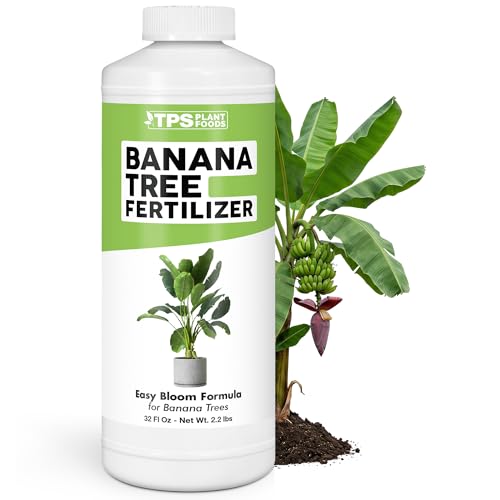
    Banana Tree Fertilizer, Liquid Plant Food for Healthy Growth, 32 oz | Indoor or Outdoor Use, For All Banana Tree Varieties, Helps Reduce Leaf Yellowing, Kelp-Enriched Formula, Easy Mix & Feed
    Banana Tree Fertilizer, Liquid Plant Food for Healthy Growth, 32 oz | Indoor or Outdoor Use, For All Banana Tree Varieties, Helps Reduce Leaf Yellowing, Kelp-Enriched Formula, Easy Mix & Feed

    Made for Banana Trees – Specially formulated banana fertilizer designed to support the nutrient needs of banana plants.

    VIEW LATEST PRICE

    As an affiliate, we earn on qualifying purchases.

    Banana Tree Pest Control Techniques

    Effective pest control is essential for cultivating healthy banana trees in Raleigh, NC, where local conditions can attract various pests. Understanding the specific threats to banana plants and implementing targeted strategies will help ensure robust growth and fruitful yields. This section explores practical techniques for managing pests that commonly affect banana trees in Central Carolina.

    Pests can threaten the health of your banana trees. Regular monitoring and prompt action are key to managing infestations. Common pests include:

    • Aphids: Small insects that suck plant sap.

    • Spider Mites: Tiny pests causing leaf discoloration.

    • Banana Weevils: Larvae that damage the plant’s base.

    Implement the following strategies to combat pests:

    1. Inspect Regularly: Check for signs of infestation.

    2. Use Insecticidal Soap: Apply to affected areas as needed.

    3. Encourage Beneficial Insects: Ladybugs and lacewings can help control pest populations.

    Effective pest management can protect your plants and ensure a healthy harvest.

    Winter Protection Strategies for Banana Trees

    In Raleigh, NC, winter poses unique challenges for banana trees, which thrive in warmer climates. Understanding effective protection strategies is essential for ensuring these tropical plants survive the colder months. This section explores various methods to safeguard banana trees from frost and freezing temperatures, helping gardeners maintain healthy growth year-round.

    MUST READ
    Can Banana Trees Grow in Miami, FL? (Tropical Variety Selection)

    In Raleigh, winter can pose challenges for banana trees. Protecting them during colder months is essential for survival. Here’s how to prepare:

    1. Mulch Heavily: Apply a thick layer of mulch around the base.

    2. Cover Plants: Use frost cloths or blankets on particularly cold nights.

    3. Cut Back Leaves: Trim back to reduce wind damage.

    These steps can help your banana trees survive winter temperatures.

    Banana Harvest Timing and Techniques

    Understanding the timing and techniques for harvesting banana trees is crucial for successful cultivation in Raleigh, NC. This section delves into the ideal periods for harvesting, the signs of ripeness, and the best practices to ensure a fruitful yield, tailored specifically for Central Carolina’s climate and growing conditions.

    Knowing when and how to harvest is crucial for enjoying your banana crop. Bananas typically take 9 to 12 months to mature. Look for the following signs:

    • Color Change: The fruit will turn from green to yellow.

    • Size: Bananas should be plump and full.

    • Ease of Removal: They should detach easily from the bunch.

    Use a sharp knife to cut the bunch, ensuring minimal damage to the plant.

    Banana Tree Growth Monitoring Techniques

    Regularly monitor the growth of your banana trees and adjust care as needed. Keep an eye on leaf color, fruit development, and overall health. If you notice yellowing leaves, it may indicate nutrient deficiencies or overwatering. Adjust your fertilization or watering practices accordingly.

    Implementing these strategies will help you cultivate healthy banana trees in Raleigh, NC.

    Share. Facebook Twitter Pinterest LinkedIn Tumblr Email
    lucy smith
    Lucy Smith
    • Website

    Lucy Smith is a highly experienced horticulturist with a passion for fruit tree cultivation. She holds a degree in Horticulture from the University of California, Davis, and has worked in various roles in the industry. With over 10 years of experience, Lucy is dedicated to using eco-friendly methods for sustainable gardening practices.

    Related Posts

    Can Olive Trees Grow in New Jersey? Garden State Growth Tips

    July 11, 2026

    Can Star Fruit Trees Grow in Missouri? Expert Variety Guide

    July 10, 2026

    How to Grow Jujube Trees in Las Vegas, NV: Desert Growth

    July 10, 2026

    Mango Trees in Illinois: Indoor and Greenhouse Growth Secrets

    July 10, 2026

    Growing Papaya Trees in Oklahoma: High Heat Resilience

    July 10, 2026

    Tamarind Trees in a Pot in Ohio (Complete Maintenance Manual)

    July 10, 2026
    Leave A Reply Cancel Reply

    Affiliate Disclosure

    As an Amazon Associate I earn from qualifying purchases.

    Recommended Reading

    Can You Prune Fruit Trees in March for Healthier Growth and Better Harvests

    How to Become a Tree Lopper: Essential Tools, Career Paths & Business Opportunities

    Grow Blackberries from Seed Indoors: Tips for Year-Round Harvests

    When Will My Apple Tree Bear Fruit: A Complete Guide to Growing Healthy Apple Trees

    Why Are There No Fruit Trees in America: Exploring Historical, Environmental, and Cultural Factors

    How to Successfully Prune a Grapefruit Tree for Healthy Growth and Abundant Fruit Harvest

    Growing Avocado Trees in Maine (Indoor and Winter Care)

    Will an Indoor Lemon Tree Produce Fruit: Expert Tips for Thriving Citrus at Home

    How Many Years Does a Peach Tree Produce Fruit: Essential Care Tips for Maximum Yield

    Where Are Almond Trees Considered Invasive

    Fruit Tree Hub

    Fruit Tree Hub is a website dedicated to providing you everything you need to grow fruit trees successfully at in your own yard.

    Contact us at: [email protected]

    - AFFILIATE DISCLOSURE: As an Amazon Associate I earn from qualifying purchases.

    Latest Posts

    18 Coastal Crochet Tops in White and Neutral Shades

    16 Retro Crochet Tops Built Around Multicolor Granny Squares

    16 Modest Crochet Tops Featuring Higher Necklines

    19 Cottagecore Crochet Tops With Square Necklines

    13 Ruffled Crochet Tops With Flared Hems

    19 Lace Crochet Tops Featuring Intricate Openwork

    14 Floral Crochet Tops Inspired by Botanical Motifs

    20 Boho Crochet Halter Tops for Festival Outfits

    Categories
    • Almond Trees
    • Apple Trees
    • Apricot Trees
    • Best Fruit Trees
    • Blackberry
    • Cantaloupe
    • Cherry Trees
    • Christmas Crochet Ideas
    • Crochet Bag Ideas
    • Crochet Blanket Ideas
    • Crochet Dress Ideas
    • Crochet Ideas
    • Crochet Ideas for Beginners
    • Crochet Top Ideas
    • Cucamelon
    • Easy Crochet Ideas
    • Easy Knitting Projects
    • Fall Crochet Ideas
    • Fig Trees
    • Grapefruit Trees
    • Grapes
    • Guava Trees
    • Halloween Crochet Ideas
    • Honeydew
    • Jujube Trees
    • Kiwi
    • Knitting For Beginners
    • Knitting Ideas
    • Knitting Inspiration
    • Lemon Trees
    • Lime Trees
    • Loquat Trees
    • Mango Trees
    • Mulberry Trees
    • Nectarine Trees
    • Olive Trees
    • Orange Trees
    • Papaya Trees
    • Peach Trees
    • Pear Trees
    • Persimmon Trees
    • Planting
    • Plum Trees
    • Pomegranate Trees
    • Quince Trees
    • Raspberry
    • Reviews
    • Small Crochet Ideas
    • Star Fruit Trees
    • Summer Crochet Ideas
    • Tamarind Trees
    • Tangerine Trees
    • Tips and Advice
    • Tools
    • Uncategorized
    • Walnut Trees
    • Winter Crochet Ideas
    © 2026 Fruit Tree Hub
    • Home
    • About Us
    • Contact
    • Privacy Policy
    • Terms and Conditions
    • Disclaimer
    • Editorial Policy
    • Affiliate Disclosure

    Type above and press Enter to search. Press Esc to cancel.