

Lime trees can thrive in Kansas City, MO, with the right care and conditions. Understanding local climate factors and soil requirements is essential for successful growth and fruit production.
Kansas City Climate Impact on Lime Growth
Kansas City experiences a humid continental climate, characterized by hot summers and cold winters. Lime trees prefer a warm climate with minimal frost exposure. The average temperature during the growing season can reach 80°F, which is ideal for lime production. However, the winter months can drop below freezing, posing a risk to young lime trees.
To ensure successful growth, consider the following climate factors:
Frost Dates: Last frost typically occurs in late April.
Rainfall: Average annual rainfall is about 40 inches.
Humidity: High humidity levels can affect tree health.
Choose the Right Lime Tree Variety
Selecting the appropriate lime tree variety is crucial for successful cultivation in Kansas City’s unique climate. Different varieties offer distinct flavors, growth habits, and resilience to local conditions. Understanding these differences will help you make an informed choice that aligns with your gardening goals and enhances your landscape.
Selecting the appropriate lime tree variety is crucial for successful cultivation in Kansas City. Some varieties are more resilient to cold and pests than others. Consider these popular options:
Persian Lime: Commonly grown in home gardens, it is more tolerant of cooler temperatures.
Key Lime: Smaller and more aromatic, but less cold-hardy.
Kaffir Lime: Known for its leaves used in cooking, it is also sensitive to frost.
| Lime Tree Variety | Cold Hardiness | Flavor Profile | Growth Rate |
|---|---|---|---|
| Persian Lime | Moderate | Mild, juicy | Fast |
| Key Lime | Low | Tart, aromatic | Moderate |
| Kaffir Lime | Low | Unique, fragrant | Slow |
Recommended Products

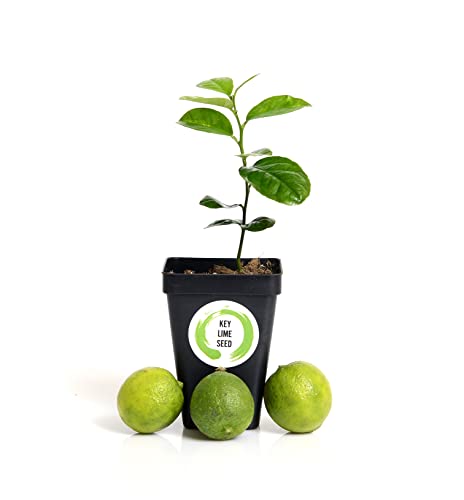

Comes in a 3-gallon container with existing fruit
Soil Preparation Techniques for Lime Trees
Soil preparation is vital for lime tree health. Lime trees thrive in well-draining soil with a pH between 6.0 and 7.5. Conduct a soil test to determine pH and nutrient levels. Amend the soil as needed to create optimal conditions.
Steps to prepare the soil include:
Test Soil: Use a soil testing kit to measure pH and nutrient levels.
Amend Soil: Add lime or sulfur to adjust pH as necessary.
Improve Drainage: Mix in organic matter like compost to enhance soil structure.
Recommended Products

Quick, at home results for Soil pH, Nitrogen, Phosphorous and Potash Innovative and inexpensive soil test kit features an easy-to-use capsule system and patented color comparators

KNOW BEFORE YOU GROW | Grow the healthiest, sustainable lawn and garden with the most accurate and easy to use professional soil test kit on the market

Accurate Soil pH Testing: Dewildetradingco Soil pH Test Strips offer measurements of soil pH levels (pH 3.5-9). As an essential tool for every gardener and grower, these test strips help determine the optimal pH for various plants, such as outdoor plants, indoor plants, gardens, grass lawns, fruit trees, flowers, vegetables, and forest shrubs.
Irrigation Strategies for Kansas City Lime Trees
Effective irrigation is crucial for the health and productivity of lime trees in Kansas City, where climate conditions can vary significantly. Understanding the specific water needs of these trees will help ensure they thrive in the local environment. This section explores tailored irrigation strategies that can optimize growth and fruit quality for lime trees in the region.
Proper watering is essential for lime tree growth, especially during dry spells. Lime trees require consistent moisture but should not be overwatered. Monitor soil moisture levels to avoid root rot.
Effective watering strategies include:
Drip Irrigation: Provides consistent moisture directly to the roots.
Mulching: Helps retain soil moisture and suppress weeds.
Deep Watering: Water deeply but infrequently to encourage deep root growth.
Pest and Disease Prevention for Lime Trees
Maintaining healthy lime trees in Kansas City requires vigilance against pests and diseases that can threaten their growth. Understanding the specific challenges posed by the local climate and ecosystem is essential for effective prevention strategies. This section delves into practical measures to protect your lime trees from common threats in the region.
Pests and diseases can significantly impact lime tree health. Common threats include aphids, spider mites, and fungal infections. Regular monitoring and preventive measures can help mitigate these issues.
Key protection strategies include:
Regular Inspections: Check leaves and stems for signs of pests.
Organic Pesticides: Use neem oil or insecticidal soap to control infestations.
Fungicides: Apply as a preventive measure during humid conditions.
Lime Tree Fertilization for Kansas City
Fertilizing lime trees in Kansas City requires a tailored approach to meet the unique climate and soil conditions of the region. Understanding the specific nutrient needs and timing for application can significantly enhance growth and fruit production. This section delves into effective fertilization strategies to ensure healthy lime trees thrive in the Kansas City area.
Fertilizing lime trees correctly is essential for healthy growth and fruit production. A balanced fertilizer with equal parts nitrogen, phosphorus, and potassium promotes vigorous growth.
Follow this fertilization schedule:
Spring: Apply a balanced fertilizer as new growth begins.
Mid-Summer: Reapply to support fruit development.
Fall: Avoid fertilizing to prepare the tree for winter dormancy.
| Fertilizer Type | Application Rate | Frequency |
|---|---|---|
| Balanced Fertilizer | 1-2 lbs per tree | Spring, Mid-Summer |
| Organic Compost | 2-3 inches around base | Annually in Spring |
Lime Tree Growth Monitoring Techniques
Monitoring the growth of lime trees in Kansas City requires specific techniques tailored to the region’s unique climate and soil conditions. By employing effective strategies, growers can ensure optimal health and productivity of their trees. Understanding these methods is essential for anyone looking to cultivate successful lime trees in this area.
Regular monitoring of lime trees will help identify issues early. Adjust care practices based on growth patterns and environmental changes.
Key indicators to watch include:
Leaf Color: Yellowing may indicate nutrient deficiencies.
Fruit Set: Poor fruit set can signal inadequate pollination or stress.
Growth Rate: Stunted growth may require additional nutrients or water.
Always respond promptly to signs of distress to prevent long-term damage.
