

Growing lime trees in Fresno, CA requires understanding the local climate and soil conditions. By selecting the right varieties and implementing proper care techniques, you can cultivate healthy trees that yield abundant fruit.
Best Lime Tree Varieties for Fresno Climate
Choosing the appropriate lime tree varieties is crucial for successful growth in Fresno’s climate. The two most popular types are Persian limes and Key limes. Persian limes are larger, seedless, and more tolerant of heat, while Key limes are smaller, aromatic, and more sensitive to cold.
Persian Lime: Ideal for hot climates, produces fruit year-round.
Key Lime: Best for flavor, but requires more care.
| Lime Variety | Size | Flavor Profile | Cold Tolerance |
|---|---|---|---|
| Persian Lime | Medium | Tart, slightly bitter | Moderate |
| Key Lime | Small | Intense, aromatic | Low |
Soil Preparation for Healthy Lime Trees
Proper soil preparation is essential for healthy lime tree growth. The soil should be well-draining and rich in organic matter. Conduct a soil test to determine pH and nutrient levels. Lime trees thrive in slightly acidic to neutral soil, ideally between 6.0 and 7.0 pH.
Amend Soil: Incorporate compost or well-rotted manure.
Test pH: Use a soil testing kit to check acidity levels.
Lime Tree Soil Preparation Techniques
Preparing the right soil is crucial for successfully growing lime trees in Fresno’s unique climate. The soil’s composition, drainage, and pH levels can significantly impact the health and productivity of your trees. This section outlines effective techniques to ensure your soil is well-suited for cultivating vibrant lime trees in the Central Valley.
Clear the Area: Remove weeds and debris from the planting site.
Dig the Hole: Create a hole twice the width of the root ball.
Add Amendments: Mix in compost or organic matter.
Irrigation Strategies for Lime Tree Health
Irrigation is crucial for the health and productivity of lime trees, especially in the unique climate of Fresno, CA. Understanding the specific water needs of these trees can significantly impact their growth and fruit quality. This section explores effective irrigation strategies tailored for lime trees in the Central Valley, ensuring they thrive in the region’s conditions.
Lime trees require consistent moisture, especially during the growing season. However, overwatering can lead to root rot. Implement a balanced watering schedule to ensure optimal growth.
Watering Frequency: Water deeply once a week.
Irrigation Method: Consider drip irrigation for efficiency.
Recommended Products
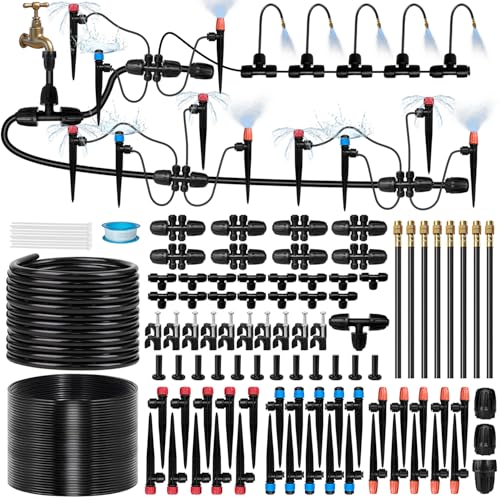
【Upgraded Tube Design & Water Saving】 Our garden watering system is upgraded to 1/2” diameter to support high water pressure. The 1/2” tee connector allows seamless splitting into 2 independent zones for customized watering schedules. By delivering moisture directly to root zones, this drip Irrigation system significantly reduces evaporation and runoff—saving more water compared to conventional sprinklers while eliminating the need for manual watering.
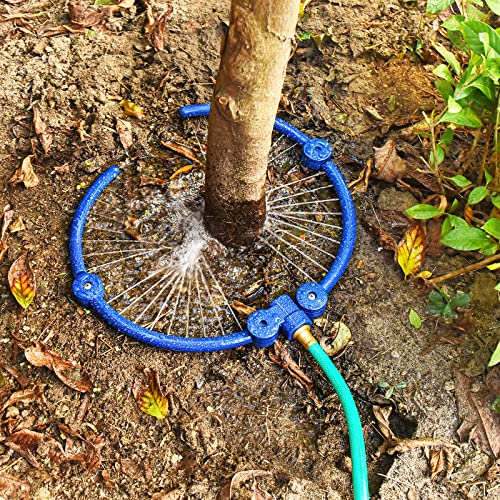
【Specially Designed for Trees and Shrubs】 The Watering Ring is a multi-purpose irrigation ring that attaches to a garden hose to efficiently water young trees shrubs vegetables or flower beds using drip or trickle irrigation.It directs water to the root perimeter of the plant to give them a good start during the first two growing seasons or through periods of drought.

【Upgraded Tube Design & Water Saving】 Our adjustable garden watering system is upgraded to 1/2” diameter to support high water pressure. The 1/2” tee connector in the package so you can easily set up 2 drip irrigation systems as needed. Garden watering systems minimize stage water loss by recharging water directly to plant roots. While traditional irrigation often results in wasted water, this drip irrigation system saves up to 70% of water, no need for manual watering, saves water.
Soil Moisture Assessment Techniques
Assessing soil moisture is crucial for the successful growth of lime trees in Fresno’s unique climate. Understanding the moisture levels helps ensure that your trees receive the right amount of water, promoting healthy development and fruit production. This section outlines effective techniques for evaluating soil moisture, tailored specifically for the conditions in the Central Valley.
Check Soil Moisture: Use your finger to gauge moisture level.
Adjust Watering: Increase frequency during dry spells.
Mulch: Apply a 2-3 inch layer of mulch to retain moisture.
Citrus Fertilization Techniques for Lime Trees
Fertilizing lime trees is essential for optimal growth and fruit production, especially in the unique climate of Fresno, CA. Understanding the specific nutrient needs and timing for fertilization can significantly enhance the health of your trees. This section offers practical techniques tailored to the Central Valley’s conditions, ensuring your lime trees thrive.
Regular fertilization supports lime tree health and fruit production. Use a balanced citrus fertilizer that provides essential nutrients. Fertilize in early spring and again in late summer for best results.
Nutrient Ratio: Look for a fertilizer with a ratio of 3-1-1.
Application Method: Spread evenly around the base of the tree.
Recommended Products

Balanced Organic Nutrition – Supplies a 6‑3‑3 NPK ratio along with calcium, sulfur, iron, and zinc to foster healthy foliage, flowering, and fruit.

COMPLETE 3-IN-1 CITRUS NUTRITION KIT - Everything Your Trees Need Professional-grade fertilizer system includes slow-release NPK granules (6-month supply), liquid micronutrient concentrate (makes 32oz), and calcium supplement (makes 32oz). Specially formulated for lemon, orange, lime, grapefruit, and all citrus varieties in containers and pots.

🍋 CITRUS-TAILORED FORMULA: Crafted exclusively for indoor citrus trees, our 3-1-2 Liquid Fertilizer Concentrate presents the ideal blend of nitrogen, phosphorus, and potassium. This ensures your vibrant citrus trees get the precise nutrients they demand.
Fertilizer Application Techniques for Lime Trees
Proper fertilization is crucial for the healthy growth of lime trees, especially in the unique climate of Fresno, CA. Understanding the right techniques for applying fertilizer can significantly enhance tree vigor and fruit production. This section will explore effective methods tailored to the needs of lime trees in the Central Valley.
Measure Fertilizer: Follow package instructions for quantity.
Apply: Distribute evenly, keeping it away from the trunk.
Water: Water the area after application to activate nutrients.
Lime Tree Pest Control Strategies
Managing pests is crucial for the health of lime trees in Fresno’s unique climate. Effective pest control strategies can help protect your trees from common threats, ensuring robust growth and a fruitful harvest. Understanding these methods will empower you to maintain a thriving lime tree garden in the Central Valley.
Pest control is vital for maintaining healthy lime trees. Common pests include aphids, spider mites, and scale insects. Regular monitoring and early intervention can prevent infestations.
Natural Predators: Introduce ladybugs to control aphids.
Insecticidal Soap: Use as a treatment for soft-bodied insects.
Pest Control Techniques for Lime Trees
Effective pest control is essential for maintaining healthy lime trees in Fresno’s unique climate. This section outlines practical techniques tailored for the Central Valley, focusing on prevention and management strategies that can help protect your trees from common pests. By implementing these methods, you can ensure robust growth and a fruitful harvest.
Inspect Regularly: Check leaves and stems for signs of pests.
Use Traps: Employ yellow sticky traps for monitoring.
Apply Treatments: Follow label instructions for any pesticide use.
Pruning Techniques for Lime Tree Health
Pruning is a crucial aspect of maintaining healthy lime trees, especially in the unique climate of Fresno, CA. Proper techniques not only enhance growth and fruit production but also improve air circulation and sunlight exposure. Understanding the right methods for pruning can significantly impact the overall vitality and yield of your lime trees in the Central Valley.
Pruning is essential for shaping the tree and encouraging fruit production. Remove dead or diseased branches and thin out crowded areas to improve air circulation.
Timing: Prune during the dormant season.
Tools: Use sharp, clean pruning shears.
Pruning Techniques for Lime Trees
Pruning is a crucial aspect of maintaining healthy lime trees, especially in the unique climate of Fresno, CA. Proper techniques not only enhance the tree’s shape and productivity but also promote air circulation and sunlight penetration. Understanding the right timing and methods for pruning can significantly impact the growth and fruit yield of your lime trees in the Central Valley.
Identify Branches: Look for dead, damaged, or crossing branches.
Cut at the Base: Make clean cuts to promote healing.
Maintain Shape: Aim for an open center to enhance sunlight exposure.
Environmental Stress Monitoring for Lime Trees
Monitoring environmental stress is crucial for the health of lime trees in Fresno’s unique climate. Factors such as temperature fluctuations, soil moisture, and humidity can significantly impact growth and fruit production. Understanding these stressors allows growers to implement effective management strategies, ensuring robust trees and a fruitful harvest.
Fresno’s climate can pose challenges for lime trees, including heat stress and cold snaps. Keep an eye on weather conditions and be prepared to take action.
Heat Protection: Provide shade during extreme temperatures.
Cold Protection: Use frost cloths during unexpected cold spells.
Lime Tree Stress Indicators in Fresno
Growing lime trees in Fresno can be rewarding, but they are susceptible to various stress factors that can hinder their health and productivity. Understanding the signs of stress is crucial for maintaining vibrant trees and ensuring a bountiful harvest. This section will outline the key indicators of lime tree stress specific to the unique climate and conditions of the Central Valley.
Observe Symptoms: Look for wilting or leaf drop as signs of stress.
Adjust Care: Modify watering and fertilization based on conditions.
Be Proactive: Prepare for seasonal changes in advance.
