

Growing banana trees in Nashville, TN is entirely feasible with the right care and conditions. Select varieties suited for the climate, and provide adequate protection during winter months to ensure healthy growth.
Best Banana Tree Varieties for Nashville
When selecting banana tree varieties for Nashville, it’s essential to consider the local climate and growing conditions. Certain varieties thrive better in the region’s humidity and temperature fluctuations, making them more suitable for successful cultivation. This section highlights the best banana tree options that can flourish in Middle Tennessee’s unique environment.
Choosing the appropriate banana tree variety is crucial for success in Nashville’s climate. The most suitable types for Middle Tennessee include:
Dwarf Cavendish: This variety grows to about 4-5 feet and is ideal for smaller spaces. It produces sweet, delicious fruit.
Blue Java: Known as the “ice cream banana,” it has a unique flavor and can tolerate cooler temperatures.
Rajapuri: This variety is hardy and produces fruit quickly, making it a favorite among local growers.
Consider factors like height, fruit taste, and cold tolerance when making your selection.
Recommended Products

HARDY AND VERSATILE: The Musa Basjoo Banana Tree is celebrated for its impressive cold tolerance, thriving in USDA zones 3-7. It's perfect for introducing a tropical flair to a variety of climates.
![Greenwood Nursery: Live Perennial Plants - Musa Basjoo Cold Hardy Banana - [Qty: 2X Pint Pots] - (Click for Other Available Plants/Quantities)](https://m.media-amazon.com/images/I/51cl7jVVE3L._SL500_.jpg)
🌿 [INFO1] - Gives a tropical look to your garden. Grows from the Southern U.S. all the way to the southern part of Canada. A hardy Flowering Banana plant provides a tropical plant or jungle garden feel for pool landscapes, zen gardens and also makes an excellent container plant for porches, decks, patios & sunny areas of the house. The yellow orange flowers will produce small ornamental fruits that are not edible.
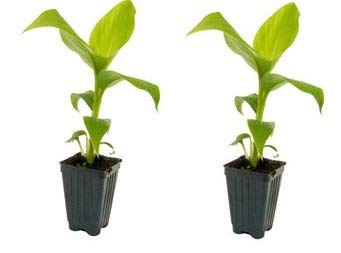
The most hardy of all Bananas!! Can go down to -20 if mulched properly. Can get up to 18 feet tall, rapid growth in hot weather Full Sun. Bananas are not edible, merely for looks! Exercise caution and use your best judgment before ordering during unusually hot or cold weather (below 32 degrees F, or in excess of 95F for shipping purposes), as these extremes may leave your plant vulnerable to damage.
Effective Site Preparation for Banana Trees
Preparing the right site is crucial for successfully growing banana trees in Nashville, TN. The unique climate and soil conditions of Middle Tennessee require careful consideration to ensure optimal growth and fruit production. This section outlines the essential steps for effective site preparation, helping you create the ideal environment for your banana trees to thrive.
Proper site preparation is essential for healthy banana trees. Choose a location with full sun and well-draining soil. Follow these steps for optimal results:
Test the Soil: Check pH levels and nutrient content. Aim for a pH between 5.5 and 7.0.
Amend the Soil: Add organic matter such as compost to improve drainage and fertility.
Clear the Area: Remove weeds and debris to reduce competition for nutrients.
Site Preparation Steps for Banana Trees
Preparing the right site is crucial for successfully growing banana trees in Nashville, TN. The unique climate and soil conditions of Middle Tennessee require careful consideration to ensure optimal growth and fruit production. This section outlines essential steps for site preparation to create the ideal environment for your banana trees.
| Step | Action | Importance |
|---|---|---|
| 1 | Test the soil | Ensures proper pH |
| 2 | Amend the soil | Enhances fertility |
| 3 | Clear the area | Reduces competition |
Banana Tree Planting Best Practices
Planting banana trees in Nashville requires careful attention to local climate conditions and soil quality. Understanding the best practices for planting can significantly enhance growth and fruit production. This section outlines essential tips to ensure your banana trees thrive in the unique environment of Middle Tennessee.
When planting banana trees, timing and technique are critical. Follow these guidelines for best results:
Timing: Plant in late spring after the last frost. This ensures warmer soil for root establishment.
Spacing: Space trees at least 8-10 feet apart to allow for growth.
Depth: Dig a hole twice the width of the root ball and plant at the same depth as it was in the nursery.
Banana Tree Planting Techniques
Planting banana trees in Nashville requires specific techniques to ensure their successful growth in the region’s climate. Understanding the optimal planting methods, soil conditions, and care practices is essential for cultivating healthy banana plants that can thrive despite the challenges posed by Middle Tennessee’s weather. This section outlines effective strategies for planting banana trees in this unique environment.
Dig the Hole: Create a hole that is twice the width of the root ball.
Place the Tree: Position the tree in the center of the hole.
Backfill: Fill the hole with soil, ensuring no air pockets remain.
Water Thoroughly: After planting, water deeply to encourage root growth.
Maintain Your Banana Trees Year-Round
Maintaining banana trees year-round in Nashville requires careful attention to their unique needs throughout the changing seasons. From protecting them during winter to ensuring proper watering and fertilization in warmer months, understanding these essential care practices will help your banana trees thrive in Middle Tennessee’s climate. Proper maintenance will lead to healthier plants and potentially fruitful harvests.
Regular care is essential for thriving banana trees. Focus on watering, fertilizing, and protecting your trees from pests and diseases.
Watering: Keep the soil consistently moist but not soggy. Water deeply once a week.
Fertilizing: Use a balanced fertilizer every 6-8 weeks during the growing season.
Pest Control: Monitor for common pests like aphids and spider mites. Use organic insecticidal soap if necessary.
Maintenance Strategies for Banana Trees
Maintaining banana trees in Nashville requires specific strategies to ensure their health and productivity in the region’s unique climate. Proper care involves understanding watering needs, soil conditions, and pest management to foster robust growth. This section outlines effective maintenance techniques tailored for Middle Tennessee’s environment, helping you cultivate thriving banana trees.
| Task | Frequency | Recommended Action |
|---|---|---|
| Watering | Weekly | Deep watering |
| Fertilizing | Every 6-8 weeks | Balanced fertilizer |
| Pest Monitoring | Regularly | Organic insecticidal soap |
Winter Care for Nashville Banana Trees
Caring for banana trees during the winter months in Nashville requires specific strategies to protect them from the cold. With temperatures often dipping below freezing, understanding how to insulate and shelter these tropical plants is crucial for their survival and future growth. This section outlines essential winter care tips tailored for banana trees in Middle Tennessee.
Winter protection is vital for banana trees in Nashville. These trees can suffer from frost damage if not properly cared for.
Mulching: Apply a thick layer of mulch around the base to insulate roots.
Covering: Use frost cloths or blankets on particularly cold nights.
Container Growing: Consider growing in containers to bring indoors during extreme cold.
Winter Protection Strategies for Banana Trees
In Nashville, TN, winter can pose significant challenges for banana trees, which thrive in warmer climates. Understanding effective protection strategies is crucial for gardeners looking to safeguard their plants during the colder months. This section outlines practical methods to ensure your banana trees survive and flourish despite the winter chill.
Do not neglect winter protection as frost can kill young trees.
Banana Tree Growth Problem Solutions
Growing banana trees in Nashville can present unique challenges due to the region’s climate and soil conditions. Understanding common growth problems is essential for successful cultivation. The following solutions address these issues, helping gardeners nurture healthy banana plants in Middle Tennessee.
Be aware of common problems that may arise when growing banana trees. Addressing these issues promptly can save your plants.
Yellowing Leaves: This may indicate overwatering or nutrient deficiency. Adjust watering habits and consider fertilizing.
Stunted Growth: Poor soil conditions or insufficient sunlight can lead to this issue. Test soil and relocate if necessary.
Pest Infestations: Regular monitoring is essential. Treat infestations early to prevent spread.
Troubleshooting Tips for Healthy Banana Trees
Growing banana trees in Nashville can present unique challenges due to the region’s climate and soil conditions. Understanding common issues and their solutions is essential for ensuring your banana plants thrive. The following troubleshooting tips will help you identify and address potential problems, promoting healthy growth and fruit production.
Prompt action is necessary to maintain healthy banana trees.
By following these guidelines, you can successfully grow banana trees in Nashville, ensuring a fruitful harvest.
