

Banana trees can thrive in San Diego, CA, thanks to the region’s mild coastal climate. With proper care and attention to specific growing conditions, these tropical plants can flourish and produce fruit.
Banana Tree Varieties for Coastal Climates
Banana trees come in several varieties, each with unique characteristics that influence their growth in coastal climates. The most common types include the Cavendish and Dwarf Brazilian. The Cavendish is popular for commercial production and can grow tall, while the Dwarf Brazilian is more compact and suitable for smaller spaces.
Consider these factors when selecting a variety:
Growth height
Fruit flavor and texture
Disease resistance
Space availability
| Variety | Height | Fruit Type | Disease Resistance |
|---|---|---|---|
| Cavendish | 10-15 feet | Sweet | Moderate |
| Dwarf Brazilian | 6-10 feet | Sweet | High |
Recommended Products

MATURE SIZE & CARE GUIDE: Reaches an average mature height of 8-10 feet and thrives in Zones 8-11. Basked in sunlight, it will flourish in well-drained, rich soil, with an N/P/K fertilizer ratio of 3:1:6, like Wellspring Gardens' Banana Fuel Fertilizer. Take caution against freezing temperatures below 35°F. Administer 1/4 teaspoon of fertilizer weekly for indoor potted plants, 1/2 teaspoon for outdoor potted ones, and 1 teaspoon for outdoor landscape plants.

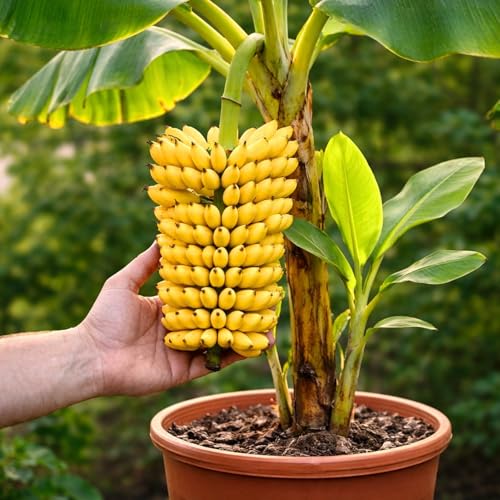
🍌 Premium Banana Seeds: High-quality banana seeds selected for planting and growing healthy tropical banana plants.
Ideal Soil and Sunlight for Banana Trees
Banana trees thrive in specific conditions that are crucial for their growth, especially in coastal regions like San Diego. Understanding the ideal soil composition and sunlight requirements is essential for cultivating healthy banana plants. This section delves into the key factors that contribute to successful banana tree cultivation in this unique climate.
Banana trees require specific growing conditions to thrive in San Diego. They prefer well-draining soil rich in organic matter. Full sun exposure is essential for optimal growth, as these trees need at least six hours of direct sunlight daily.
Key environmental factors include:
Temperature: Ideal range is 75-95°F.
Humidity: Prefer humidity levels above 50%.
Watering: Regular watering is critical, especially during dry spells.
Soil Amendments for Healthy Banana Growth
To cultivate thriving banana trees in San Diego’s unique coastal environment, understanding the importance of soil amendments is essential. The right mix of nutrients and organic matter can significantly enhance growth, ensuring that these tropical plants flourish despite local soil conditions. This section explores the best practices for amending soil to support healthy banana development.
Preparing the soil correctly is vital for healthy banana tree growth. Start by testing the soil pH, which should be between 5.5 and 7.0. Amend the soil with organic compost to improve drainage and nutrient content.
Follow these steps for soil preparation:
Test soil pH with a home kit.
Amend soil with organic compost.
Ensure good drainage by mixing in sand if necessary.
Banana Tree Watering and Fertilization Tips
Successfully growing banana trees in San Diego requires careful attention to their watering and fertilization needs. Given the region’s unique coastal climate, understanding the right balance of moisture and nutrients is essential for healthy growth and fruit production. This section provides practical tips to help you nurture your banana trees effectively.
Proper watering and fertilization are crucial for banana trees to produce fruit. These trees need consistent moisture but should not sit in waterlogged soil. Use mulch to retain moisture and regulate soil temperature.
Fertilization should occur every 6-8 weeks during the growing season. Use a balanced fertilizer that includes:
Nitrogen
Phosphorus
Potassium
Recommended Products

Made for Banana Trees – Specially formulated banana fertilizer designed to support the nutrient needs of banana plants.

PREMIUM FUEL LIQUID FERTILIZER: Wellspring Gardens Banana Fuel Liquid Fertilizer Concentrate provides a quality nutrient blend with minor elements that could grow your plants. Its 3-1-6 formula ratio is the ideal fertilizer ration according to University of Florida which is what our product is made of.
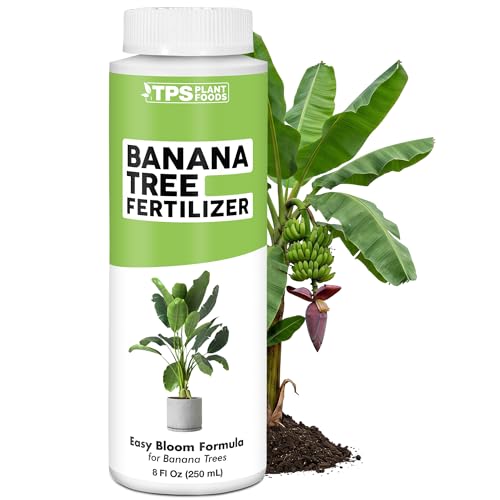
Made for Banana Trees – Specially formulated banana fertilizer designed to support the nutrient needs of banana plants.
Banana Tree Irrigation Best Practices
Irrigating banana trees in San Diego requires careful consideration of the region’s unique climate and soil conditions. Understanding the best practices for watering these tropical plants can significantly impact their growth and fruit production. This section will cover effective irrigation techniques tailored to the coastal environment, ensuring healthy and thriving banana trees.
Establishing a consistent watering schedule can help maintain optimal moisture levels.
| Season | Watering Frequency |
|---|---|
| Spring | Every 3 days |
| Summer | Every 2 days |
| Fall | Once a week |
| Winter | Every 10 days |
Banana Tree Pest and Disease Control
Banana trees in San Diego can thrive, but they are susceptible to various pests and diseases that can hinder their growth. Understanding how to identify and manage these threats is crucial for maintaining healthy plants. This section delves into effective strategies for pest and disease control specific to the coastal climate of San Diego.
Banana trees are susceptible to various pests and diseases. Regular monitoring can help identify issues early. Common pests include aphids and spider mites, while diseases such as Panama disease can be devastating.
Implement these management strategies:
Inspect leaves regularly for signs of pests.
Use insecticidal soap for pest control.
Rotate crops to prevent soil-borne diseases.
Recommended Products

3-IN-1 GARDEN SPRAY - Earth’s Ally 3-in-1 Plant Spray is an insecticide, miticide and fungicide. The houseplant pest spray effectively kills and controls soft-bodied insects and common plant diseases with a synergistic blend of essential oils.

PLANT DISEASE CONTROL: Natria Neem Oil acts as an insecticide and fungicide in one convenient spray; Ready-to-use trigger sprayer requires no mixing

CROP, GARDEN & HOUSEPLANT INSECT CONTROL. Trifecta Crop Control all-natural, plant-based formula effectively combats destructive spider mites, aphids, whiteflies, fungus gnats, and other soft-bodied pests on indoor and outdoor plants. Our biodegradable, eco-friendly solution is safe for use on edible crops, without chemical residues. Our gentle yet potent plant spray suffocates and dehydrates pests without harming beneficial insects or the environment, making it ideal for organic gardening.
Pest and Disease Symptoms in Banana Trees
Banana trees, while resilient, can be susceptible to various pests and diseases that may affect their growth and fruit production. Understanding the symptoms of these issues is crucial for gardeners in San Diego, as timely identification can lead to effective management strategies. This section delves into the common pests and diseases that threaten banana trees and their telltale signs.
Recognizing symptoms early can save your banana trees from severe damage.
| Issue | Symptoms | Treatment |
|---|---|---|
| Aphids | Curling leaves, sticky residue | Insecticidal soap |
| Spider mites | Yellow speckles on leaves | Neem oil |
| Panama disease | Wilting, yellowing leaves | Remove infected plants |
Banana Harvest Timing and Techniques
Understanding the timing and techniques for harvesting bananas is essential for maximizing yield in San Diego’s unique coastal climate. This section explores the optimal periods for harvesting bananas and offers practical methods to ensure the best quality fruit, tailored specifically for local growing conditions. With the right approach, San Diego gardeners can enjoy a fruitful banana harvest.
Once your banana trees bear fruit, knowing when to harvest is essential. Bananas typically take 9-12 months to mature after flowering. Harvest when the fruit is plump and slightly green.
Follow these steps for harvesting:
Check for maturity by observing fruit size.
Cut the bunch using a sharp knife.
Allow to ripen at room temperature.
Do not wait until bananas are fully yellow on the tree, as this can lead to overripening and fruit loss.
San Diego Banana Tree Cultivation Resources
San Diego’s unique coastal climate offers a promising environment for banana tree cultivation, but success requires the right resources and knowledge. This section provides essential tools, local insights, and expert recommendations to help both novice and experienced gardeners thrive in growing banana trees in the region. Discover how to maximize your chances of a fruitful harvest in this vibrant locale.
San Diego offers various resources for banana tree enthusiasts. Local nurseries often stock banana varieties suited for the climate. Online forums and gardening groups can provide additional support and advice.
Consider these local resources:
Community gardening workshops
Local nurseries specializing in tropical plants
Online gardening forums for advice and support
