

Growing walnut trees in New Mexico’s high desert is achievable with the right techniques and care. Selecting drought-resistant varieties and understanding local soil conditions are essential for success in this challenging climate.
Choosing Ideal Walnut Varieties for New Mexico
Selecting the right walnut varieties is crucial for successful cultivation in New Mexico’s unique high desert climate. With varying temperature extremes and soil conditions, understanding which types thrive in these environments can significantly impact yield and tree health. This section explores the best walnut varieties suited for New Mexico, ensuring optimal growth and productivity.
Choosing the appropriate walnut variety is crucial for thriving in New Mexico’s unique environment. The English walnut and Black walnut are two popular choices, each with distinct advantages.
English walnuts are known for their high-quality nuts and adaptability to various soil types. Black walnuts, while harder to crack, are more resistant to pests and diseases.
| Variety | Nut Quality | Disease Resistance | Adaptability |
|---|---|---|---|
| English Walnut | High | Moderate | High |
| Black Walnut | Moderate | High | Moderate |
Recommended Products

🌰 PRODUCE VALUABLE WALNUTS Grow your own black walnuts for fresh eating, baking, and wildlife. A rewarding tree that produces nutritious, high-value nuts.

🌳 Includes 3 Live Bare Root Black Walnut Trees Receive three healthy dormant black walnut seedlings carefully packed bare root and ready for planting.
Soil Testing for Walnut Tree Growth
Understanding the soil composition is crucial for successfully growing walnut trees in New Mexico’s high desert environment. Soil testing provides valuable insights into nutrient levels, pH balance, and drainage capabilities, all of which directly impact the health and productivity of walnut trees. This section will explore the importance of soil testing and how to effectively assess your land for optimal growth conditions.
Proper soil preparation enhances the growth of walnut trees. Conduct a soil test to determine pH and nutrient levels.
Walnut trees prefer slightly acidic to neutral soil with good drainage. Amend the soil with organic matter to improve fertility and structure.
Soil Testing for Walnut Cultivation
Understanding the soil composition is crucial for successful walnut cultivation in New Mexico’s unique high desert environment. Soil testing provides valuable insights into nutrient levels, pH balance, and texture, enabling growers to make informed decisions that enhance tree health and yield. This section delves into the importance of soil analysis and the specific tests beneficial for walnut trees.
Test the soil for pH and nutrient composition.
Add organic matter such as compost or well-rotted manure.
Ensure good drainage by mixing in sand or perlite if necessary.
Walnut Tree Planting Timing and Techniques
Timing and techniques are crucial for successfully planting walnut trees in New Mexico’s unique high desert environment. Understanding the best times to plant, along with effective methods tailored to the region’s climate and soil conditions, can significantly enhance growth and yield. This section delves into the optimal practices for establishing walnut trees in this challenging landscape.
Timing and technique are vital when planting walnut trees. The best time to plant is in early spring after the last frost. Follow these steps to ensure successful establishment.
Recommended Products

Various Bonsai Tools: This bonsai helper set including 3 bonsai pruning scissors, 1 folding scissors, 1 rake, 2 spades and 1 pair of tweezers. The combination of various tools allows you to take better care of plants.
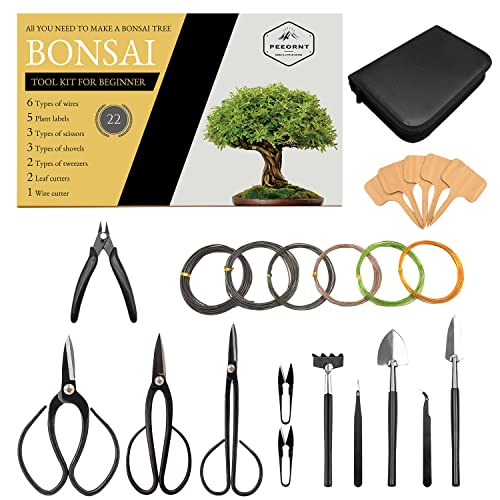
EVERYTHING YOU NEED TO START BONSAI - The bonsai tree kit includes 3 x bonsai scissor, 2 x leaf cutters, 2 x tweezers, 3 x soil shovels/rakes, 6 x bonsai training wires, 1 x wire cutter, 5 x bamboo plant markers. Start your bonsai journey with our bonsai kit.

A Complete Set: The Soligt Bonsai Tool Set includes trimming scissor, large butterfly shear, a concave cutter, wire cutter, and five training wire rolls of varying thickness (1.0mm,1.5mm,2.0mm,2.5mm,3.0mm) - all placed inside an exquisite wood storage box - a perfect gift and starter kit for beginner bonsai enthusiasts.
Walnut Tree Planting Techniques
Planting walnut trees in New Mexico’s high desert requires specific techniques to ensure their successful growth in challenging conditions. Understanding the right methods for site selection, soil preparation, and watering can significantly enhance the chances of thriving walnut trees. This section will explore effective strategies tailored to the unique environment of New Mexico.
Dig a hole twice the width of the root ball.
Position the tree so the graft union is above ground.
Backfill with soil and water thoroughly.
High Desert Irrigation Techniques for Walnuts
Irrigating walnut trees in New Mexico’s high desert requires a strategic approach to address the unique challenges posed by the arid climate. Effective irrigation techniques can significantly enhance growth and yield, ensuring that these trees thrive despite limited water resources. Understanding these methods is essential for successful walnut cultivation in this region.
Effective watering practices are essential in the high desert. Walnut trees require consistent moisture, especially during their first few years. Use drip irrigation systems to minimize water waste and ensure deep root watering.
Irrigation Strategies for Walnut Trees
Effective irrigation is crucial for successfully growing walnut trees in New Mexico’s high desert environment. With its arid climate and variable rainfall, implementing the right irrigation strategies can significantly impact tree health and nut production. Understanding the specific needs of walnut trees will help ensure they thrive in these challenging conditions.
Water deeply once a week during dry spells.
Adjust frequency based on rainfall and temperature.
Monitor soil moisture levels to prevent overwatering.
Nutrient Strategies for Walnut Trees
Nurturing walnut trees in New Mexico’s high desert requires a keen understanding of their nutritional needs. This section delves into effective nutrient strategies that can enhance growth and yield, addressing the unique challenges posed by the arid climate and soil conditions. By implementing these targeted approaches, growers can optimize their walnut production and ensure robust tree health.
Walnut trees benefit from regular fertilization to support healthy growth and nut production. Use a balanced fertilizer with a ratio of nitrogen, phosphorus, and potassium.
Walnut Tree Fertilization Timeline
Understanding the optimal fertilization timeline for walnut trees is crucial for successful growth in New Mexico’s high desert climate. This section outlines the key stages of fertilization, ensuring that your walnut trees receive the necessary nutrients at the right times to thrive in challenging conditions. Proper timing can significantly enhance tree health and fruit production.
| Month | Fertilizer Type | Application Rate |
|---|---|---|
| March | Balanced Fertilizer | 1 lb per tree |
| June | Nitrogen Boost | 0.5 lb per tree |
| September | Potassium Supplement | 1 lb per tree |
Pest Control Strategies for Walnut Trees
Effective pest control is crucial for the successful cultivation of walnut trees in New Mexico’s challenging high desert environment. This section explores various strategies to manage pests that threaten walnut health, ensuring robust growth and a fruitful harvest. By implementing these targeted approaches, growers can protect their trees from common infestations and promote sustainable farming practices.
Monitoring for pests and diseases is critical to maintaining healthy walnut trees. Common threats include aphids, walnut husk fly, and fungal diseases. Implement integrated pest management techniques to control these issues.
Walnut Tree Pest Control Strategies
Effective pest control is crucial for the successful cultivation of walnut trees in New Mexico’s unique high desert environment. This section explores various strategies tailored to combat common pests that threaten walnut trees, ensuring healthy growth and a bountiful harvest. By implementing these methods, growers can protect their investments and enhance the resilience of their orchards.
Inspect trees regularly for signs of infestation.
Use insecticidal soap or neem oil for soft-bodied insects.
Prune affected areas to improve air circulation.
Walnut Harvest Timing and Collection Methods
Understanding the optimal timing for harvesting walnuts is crucial for ensuring quality and yield in New Mexico’s unique high desert climate. This section delves into the best practices for collecting walnuts, highlighting the signs of ripeness and effective methods to maximize your harvest. By following these guidelines, growers can achieve a successful walnut crop.
Harvesting walnuts requires careful timing to ensure the best quality nuts. Wait until the outer husk begins to split, indicating ripeness. Use a nut picker for efficient collection.
Walnut Harvesting Techniques for New Mexico
Harvesting walnuts in New Mexico’s unique high desert environment requires specific techniques to ensure a successful yield. Understanding the optimal timing, methods, and tools for harvesting can significantly impact both the quality and quantity of the nuts. This section delves into effective strategies tailored for the region’s conditions.
Monitor nuts for signs of ripeness.
Use a nut picker to gather fallen nuts.
Dry nuts in a shaded area before storage.
Walnut Cultivation Tips for High Desert
Growing walnut trees in New Mexico’s high desert presents unique challenges and opportunities. Understanding the specific conditions of this environment is crucial for successful cultivation. This section offers practical tips tailored to maximize growth and yield, ensuring that walnut trees thrive despite the region’s arid climate and fluctuating temperatures.
Growing walnut trees in New Mexico’s high desert is a rewarding endeavor. Focus on selecting suitable varieties, preparing the soil, and implementing effective care strategies. Regular monitoring and maintenance will lead to a successful harvest.
Critical Warning.
Neglecting soil quality and pest management can lead to poor growth and reduced yields.
