

Growing banana trees in New Mexico’s high desert can be challenging due to the region’s unique climate. However, with the right techniques and care, you can successfully cultivate these tropical plants. Understanding the specific needs of banana trees will significantly enhance your chances of a fruitful harvest.
High Desert Climate Factors for Banana Trees
Growing banana trees in New Mexico presents unique challenges due to the high desert climate. Understanding the specific environmental factors, such as temperature fluctuations, soil conditions, and sunlight exposure, is essential for successfully cultivating these tropical plants in a region that is not typically conducive to their growth. This section explores the critical climate considerations for thriving banana trees in this arid environment.
New Mexico’s high desert features extreme temperature fluctuations, with hot summers and cold winters. Banana trees thrive in warm, humid environments, making adaptation essential. Here are key climate factors to consider:
Temperature: Banana trees prefer temperatures between 75°F and 95°F.
Frost: Protect plants from frost, as temperatures below 32°F can damage them.
Sunlight: Full sun exposure is crucial for growth.
Best Banana Varieties for New Mexico Climate
Selecting the right banana varieties is crucial for successful cultivation in New Mexico’s unique climate. The high desert environment presents specific challenges, but certain banana types are better suited to thrive in these conditions. Understanding which varieties will flourish can significantly enhance your chances of a fruitful harvest.
Choosing the right banana tree variety is vital for success in New Mexico. Some varieties are better suited for cooler climates and shorter growing seasons. Consider these options:
Dwarf Cavendish: This variety is compact and can tolerate cooler temperatures.
Blue Java: Known for its cold tolerance and unique flavor, this variety thrives in varying conditions.
Rajapuri: A hardy variety that produces sweet fruit and withstands drought.
| Variety | Height | Cold Tolerance | Flavor Profile |
|---|---|---|---|
| Dwarf Cavendish | 4-6 ft | Moderate | Sweet and creamy |
| Blue Java | 8-10 ft | High | Vanilla-like flavor |
| Rajapuri | 6-8 ft | Moderate | Sweet and aromatic |
Recommended Products

CHOOSE YOUR FAVORITE BANANA VARIETY – Select from Grand Nain, Dwarf Cavendish, Double Mahoi, Curly Tiny, or Basjoo Banana plants. Each variety offers unique characteristics, from sweet edible fruit to striking ornamental foliage and cold-hardy landscape performance.
CHOOSE YOUR FAVORITE BANANA VARIETY – Select from Grand Nain, Dwarf Cavendish, Double Mahoi, Curly Tiny, or Basjoo Banana plants. Each variety offers unique characteristics, from sweet edible fruit to striking ornamental foliage and cold-hardy landscape performance.

Ideal Planting Site for Banana Trees
Choosing the right planting site is crucial for successfully growing banana trees in New Mexico’s high desert climate. Factors such as soil quality, sunlight exposure, and wind protection play significant roles in ensuring healthy growth and fruit production. Understanding these elements will help you create an optimal environment for your banana trees to thrive.
Creating an ideal planting site is essential for the growth of banana trees. Select a location that receives ample sunlight and has well-draining soil. Follow these steps:
Choose a sunny spot with at least 6-8 hours of direct sunlight daily.
Test soil pH; banana trees prefer a pH between 5.5 and 7.0.
Amend soil with organic matter like compost to improve drainage and nutrient content.
Irrigation and Nutrient Strategies for Bananas
Effective irrigation and nutrient management are crucial for successfully growing banana trees in New Mexico’s high desert climate. Given the region’s unique challenges, understanding the specific water and nutrient needs of banana plants can significantly enhance their growth and productivity. This section explores tailored strategies to ensure your banana trees thrive in arid conditions.
Proper watering and fertilizing are critical for healthy banana trees. These plants require consistent moisture and nutrients to thrive. Implement the following practices:
Water deeply once a week, adjusting frequency based on rainfall.
Use a balanced fertilizer every 4-6 weeks during the growing season.
Monitor for signs of nutrient deficiency, such as yellowing leaves or stunted growth.
Recommended Products

Made for Banana Trees – Specially formulated banana fertilizer designed to support the nutrient needs of banana plants.

2X MORE VALUE: The 16 oz bottle of Banana Plant Fertilizer makes 16 gallons of banana fertilizer for fruit trees, while the bigger size 32 oz bottle makes 32 gallons for lasting care of your banana trees.
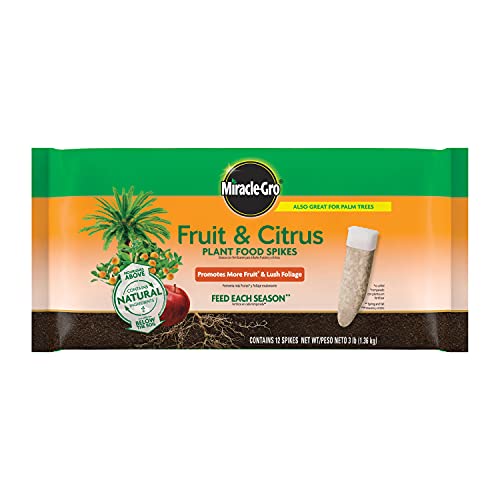
FORMULATED FOR CITRUS AND FRUIT TREES: Use these citrus fertilizer spikes on apple, orange, lemon, lime, and avocado trees; this formula is also great for feeding palm trees
High Desert Pest and Disease Management
Managing pests and diseases is crucial for successfully growing banana trees in New Mexico’s high desert environment. The unique climate conditions can lead to specific challenges that require tailored strategies. Understanding these threats and implementing effective management techniques will help ensure healthy, thriving banana plants.
Pests and diseases can threaten banana tree health, especially in the high desert. Regular monitoring and preventive measures are essential. Focus on these common issues:
Spider mites: Use insecticidal soap or neem oil for control.
Fungal infections: Ensure good air circulation and avoid overhead watering.
Nematodes: Rotate crops and use resistant varieties to minimize damage.
| Pest/Disease | Symptoms | Control Method |
|---|---|---|
| Spider mites | Webbing on leaves | Insecticidal soap |
| Fungal infections | Wilting and yellowing leaves | Improve air circulation |
| Nematodes | Stunted growth | Crop rotation |
Winter Protection Strategies for Banana Trees
Winter in New Mexico can pose unique challenges for banana trees, especially in high desert climates where temperatures can drop significantly. Implementing effective protection strategies is crucial to ensure the health and longevity of these tropical plants during the colder months. This section explores practical methods to safeguard your banana trees from winter’s harsh conditions.
Winter poses unique challenges for banana trees in New Mexico. Protecting them from cold temperatures is essential for survival. Follow these strategies:
Mulch around the base to insulate roots from freezing temperatures.
Cover plants with frost cloth during extreme cold snaps.
Consider bringing potted plants indoors if temperatures drop significantly.
Recommended Products

The Large plant cover is perfect for Plant size 55''-70"high and 84''-94" round, Heavy-weight FRCs (1.77oz./sq. yard): usually used to extend the growing season in spring and fall, allow 40%-60% light transmittance, and recommend 3°-8°F of freeze protection

PACKAGE: The package includes 4Pcs plant covers,will meet your daily use or replacement. Measuring 31.5" x 47.3", the plant protector is waterproof, windproof.

Protect Plants From Frostbite: 2.2 oz/sq yard non-woven fabric as the material of plant cover to protect your plant against freeze, frost and other cold weather during winter
Optimal Timing for Banana Harvesting
Understanding the optimal timing for harvesting banana trees is crucial for achieving the best flavor and quality, especially in the unique climate of New Mexico’s high desert. This section will explore the key indicators for determining when bananas are ready to be picked, ensuring a successful yield in this challenging environment.
Once your banana trees mature, harvesting becomes a rewarding experience. Timing is crucial for optimal flavor and texture. Here’s how to determine when to harvest:
Look for yellowing fruit; this indicates ripeness.
Check for slight softness when gently pressed.
Cut the bunch with a sharp knife to avoid damage.
Enjoying your homegrown bananas can be as simple as slicing them for breakfast or incorporating them into desserts.
High Desert Banana Cultivation Strategies
Growing banana trees in New Mexico requires attention to climate, variety selection, and care practices. Regular monitoring of soil, pests, and weather conditions will enhance your success. Stay proactive and adapt your methods as needed to enjoy a bountiful harvest.
