

Avocado trees thrive in Honolulu’s tropical climate, making them an excellent choice for backyard gardening. Proper care and attention to specific growing conditions will ensure a successful harvest of this nutritious fruit.
Choosing the Best Avocado Varieties for Honolulu
Selecting the right avocado varieties is crucial for thriving trees in Honolulu’s unique climate. With its warm temperatures and specific growing conditions, certain types of avocados will flourish better than others. Understanding these varieties will help ensure a successful and fruitful backyard garden.
Choosing the right avocado tree variety is crucial for success in Honolulu. The two main types are Hass and Fuerte.
Hass is known for its creamy texture and rich flavor, while Fuerte offers a smoother taste and is more cold-tolerant. Consider factors such as:
Fruit quality: Taste and texture preferences
Growth habits: Size and shape of the tree
Pollination needs: Self-pollinating versus cross-pollinating varieties
| Variety | Fruit Quality | Growth Habit | Pollination Needs |
|---|---|---|---|
| Hass | Creamy, rich | Medium height | Self-pollinating |
| Fuerte | Smooth, mild | Tall, upright | Cross-pollinating |
Recommended Products

Very Cold Hardy Avocado Tree - Down to 27 degrees - Survives freezing temperatures

2 Years Old Avocado Tree Grafted, 1-2 Feet Tall in 3 Gallon Pot,Ready to Plant and Bear Fruit
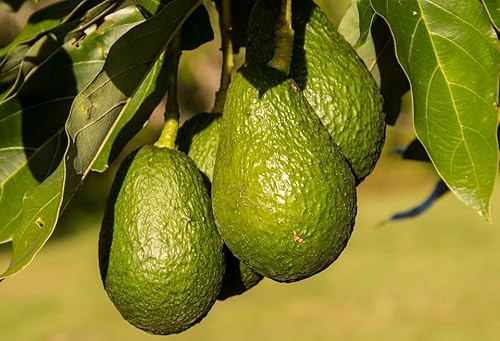
The Hass Avocado, celebrated for its rich, creamy fruits, offers not only culinary versatility but also the joy of nurturing a thriving fruit tree.
Optimal Sunlight and Soil for Avocados
To successfully grow avocado trees in Honolulu, understanding their specific sunlight and soil requirements is crucial. These tropical plants thrive in well-draining soil and need ample sunlight to produce healthy fruit. This section will explore the ideal conditions necessary for avocado cultivation in a backyard setting.
The location of your avocado tree significantly impacts its growth. Choose a spot that receives full sun for at least six hours daily. Well-draining soil is essential to prevent root rot.
Consider these factors when selecting a location:
Soil type: Sandy loam is ideal
Drainage: Avoid areas prone to standing water
Wind protection: Shield young trees from strong winds
Soil Preparation for Avocado Planting
Preparing the right soil is crucial for successfully growing avocado trees in Honolulu’s tropical climate. The unique conditions of the region require specific soil amendments and techniques to ensure optimal drainage and nutrient availability. This section outlines essential steps for creating a fertile environment that supports healthy avocado growth and fruit production.
Proper soil preparation is vital for healthy avocado trees. Amend the soil with organic matter to improve drainage and nutrient content.
Follow these steps for optimal soil preparation:
Test soil pH: Aim for a pH of 6 to 6.5.
Add compost: Incorporate well-rotted compost to enrich the soil.
Mix in sand: If soil is heavy, add sand to enhance drainage.
Avocado Tree Watering Best Practices
Proper watering is crucial for the health and productivity of avocado trees in Honolulu’s tropical climate. Understanding the specific needs of these trees can significantly enhance their growth and fruit yield. This section outlines the best practices for watering avocado trees to ensure they thrive in your backyard.
Avocado trees require consistent moisture but should not be waterlogged. Establish a watering routine based on the season and tree age.
Consider these watering and fertilizing guidelines:
Young trees: Water deeply once a week.
Mature trees: Reduce frequency but increase depth.
Fertilization: Use a balanced fertilizer during the growing season.
| Age of Tree | Watering Frequency | Fertilizer Type |
|---|---|---|
| Young | Weekly | Balanced NPK |
| Mature | Bi-weekly | Slow-release |
Recommended Products

Effortless Watering Automation: The Orbit Mechanical Water Timer helps manage lawn and garden irrigation with a reliable mechanical water timer design and hose faucet timer control
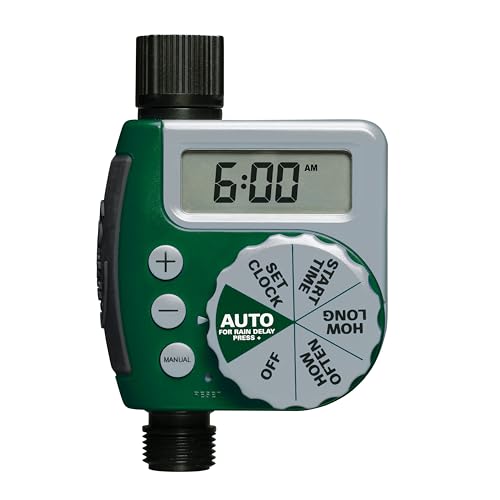
Smart Automatic Watering Control: The Orbit Programmable Digital Hose Watering Timer transforms a faucet into an automatic watering system using a reliable single outlet hose timer

【Easy Programming Program】Through the Sprinkler Timer to program, you can set the Start Time, Watering Duration is 1min-3h59min, Watering Frequency from 1h to 12h or 1 day to 7 days, so you can customize your watering time, and can be more accurate.
Avocado Tree Pest Control Techniques
Managing pests is crucial for the health of avocado trees in Honolulu’s tropical climate. Effective pest control techniques not only protect the trees from damage but also ensure a bountiful harvest. Understanding the common pests and their management strategies will help maintain vibrant and productive avocado trees in your backyard.
Pests and diseases can threaten avocado trees. Regular monitoring and preventive measures are essential.
Key pests to watch for include:
Avocado thrips: Small insects that damage leaves
Root rot: Caused by overwatering and poor drainage
Implement these management strategies:
Inspect regularly: Check leaves and soil for signs of pests.
Use organic pesticides: Apply neem oil or insecticidal soap as needed.
Promote air circulation: Space trees adequately to reduce humidity.
Harvesting Avocados for Optimal Flavor
Harvesting avocados at the right time is crucial for achieving the best flavor and texture, especially in the unique climate of Honolulu. Understanding the signs of ripeness and the ideal harvesting techniques can significantly enhance your avocado experience, ensuring that your tropical backyard yields delicious fruit. This section will guide you through the essential steps for optimal avocado harvesting.
Knowing when to harvest avocados is crucial for flavor and quality. Avocados do not ripen on the tree, so monitor them closely.
Follow these steps for harvesting and storing:
Check firmness: Gently squeeze the fruit; it should yield slightly.
Cut carefully: Use pruning shears to avoid damage.
Store properly: Keep harvested avocados at room temperature until ripe.
Critical warning: Overripe avocados can spoil quickly, so check them daily.
Honolulu Avocado Care Resources and Support
For those nurturing avocado trees in Honolulu, a wealth of local resources and support is available to ensure your tropical gardening success. From community gardening groups to expert horticultural advice, these tools can help you navigate the unique challenges of growing avocados in Hawaii’s climate. Explore the options that can enhance your gardening experience and yield healthy, thriving trees.
Local gardening clubs and extension services can provide valuable information on avocado care specific to Honolulu.
Consider these resources:
University extension programs: Offer workshops and expert advice
Local gardening groups: Connect with fellow avocado growers
Online forums: Share experiences and tips with a broader community
Final verdict: Successful avocado cultivation in Honolulu requires careful planning, proper care, and ongoing management. Following these guidelines will lead to a fruitful backyard harvest.
