

Orange trees can survive in Wisconsin’s northern winter climates with proper care and protective measures. Utilizing cold-resistant varieties and indoor cultivation can help ensure these trees thrive despite harsh conditions.
Cold-Hardy Orange Tree Selection for Wisconsin
Selecting cold-hardy orange trees suitable for Wisconsin’s harsh winters involves understanding the specific varieties that can thrive in northern climates. These trees not only need to withstand low temperatures but also require careful consideration of local soil conditions and microclimates. This section explores the best options for gardeners looking to cultivate citrus in challenging environments.
Choosing the right variety is crucial for successful orange cultivation in Wisconsin. Cold-hardy varieties can withstand lower temperatures and are more resilient. Some recommended types include:
Satsuma: Known for its sweet flavor and cold tolerance, Satsuma can survive temperatures down to 20°F.
Kiyomi: This hybrid offers a balance of sweetness and cold resistance, thriving in cooler conditions.
Owari: A popular choice, Owari Satsuma is known for its easy peeling and rich taste.
These varieties can help ensure a fruitful harvest even in colder climates.
Cold-Hardy Orange Tree Varieties Data
Exploring cold-hardy orange tree varieties reveals options that can thrive even in Wisconsin’s harsh winter climates. These resilient cultivars are specifically bred to withstand lower temperatures while still producing fruit, making them a viable choice for northern gardeners. The following data highlights the best varieties suited for survival and productivity in colder regions.
| Variety | Cold Tolerance | Flavor Profile | Harvest Time |
|---|---|---|---|
| Satsuma | 20°F | Sweet | Late Fall |
| Kiyomi | 25°F | Sweet-Tart | Early Winter |
| Owari | 20°F | Sweet | Late Fall |
Winter Protection Strategies for Orange Trees
In Wisconsin’s harsh winter climate, protecting orange trees is essential for their survival and productivity. This section explores effective strategies to shield these citrus plants from freezing temperatures, ensuring they remain healthy and vibrant throughout the cold months. By implementing the right techniques, gardeners can foster a thriving environment for their orange trees despite the challenges of northern winters.
Proper winter preparation is essential for orange trees in Wisconsin. This includes both physical and environmental strategies to shield the trees from cold damage. Consider these methods:
Mulching: Apply a thick layer of organic mulch around the base to insulate roots.
Windbreaks: Install barriers to shield trees from harsh winds.
Frost Cloths: Use lightweight frost cloths during extreme cold snaps to cover trees.
These measures can significantly improve the chances of survival during winter months.
Recommended Products

Extra Thick Tree and Plant Covers for Winter: Scrubits Frost Blankets for outdoor plants and Trees will ensure that your Trees and large plants not only survive the winter but thrive and grow to blossom. With its extra thick fabric and long-lasting material, you can be confident about next year's harvest.

More Larger Sizes Rectangular Plant Covers Freeze Protection: The Garutom frost plant covers are available in three sizes (8 ft x 24 ft, 10 ft x 33 ft, 10 ft x 50 ft), you can choose the size you need most. The plant blanket can be easily cut with scissors to fit over whatever you want

Agfabric plant covers are designed as a frost freeze protection,which is used to extend the growing season in cold winter and early spring wheather, allows 30%-50% light transmittance, resists harsh weather such as frost, wind, snow, hail.The heavy-weight FRCs is 1.5oz.
Winter Care Strategies for Orange Trees
Caring for orange trees in Wisconsin during the harsh winter months requires specific strategies to ensure their survival. With temperatures often dropping well below freezing, understanding how to protect these subtropical plants is crucial. This section outlines effective winter care techniques that can help maintain the health and vitality of orange trees in northern climates.
Managing orange trees in winter requires specific logistics. Follow these steps:
Monitor Temperature: Use a thermometer to track outdoor temperatures.
Watering Schedule: Ensure trees are well-watered before the ground freezes.
Prune Wisely: Trim dead or damaged branches in late fall to promote healthy growth.
Implementing these practices will enhance the resilience of your orange trees.
Indoor Orange Tree Cultivation Strategies
Cultivating orange trees indoors in Wisconsin presents unique challenges due to the harsh northern winters. This section explores effective strategies for successfully growing these citrus trees indoors, ensuring they thrive despite the cold climate. From optimal lighting conditions to proper watering techniques, these methods will help you maintain healthy orange trees year-round.
For optimal results, consider growing orange trees indoors during winter. This method allows for better control of environmental factors. Key techniques include:
Grow Lights: Use full-spectrum grow lights to mimic sunlight.
Humidity Control: Maintain humidity levels with a humidifier or pebble trays.
Temperature Regulation: Keep indoor temperatures between 60°F and 70°F.
These techniques will help maintain healthy growth and fruit production.
Recommended Products

Designed for Large & Tall Indoor Plants:Designed specifically for large indoor plants and tall plants that need stronger and wider light coverage. Helps big plants thrive even in low-light areas like living rooms, corners, or offices.Provides full spectrum light (380nm–800nm) to support every stage of plant growth. A perfect sunlight replacement for indoor plants.

Designed for Large & Tall Indoor Plants:Designed specifically for large indoor plants and tall plants that need stronger and wider light coverage. Helps big plants thrive even in low-light areas like living rooms, corners, or offices.Provides full spectrum light (380nm–800nm) to support every stage of plant growth. A perfect sunlight replacement for indoor plants.
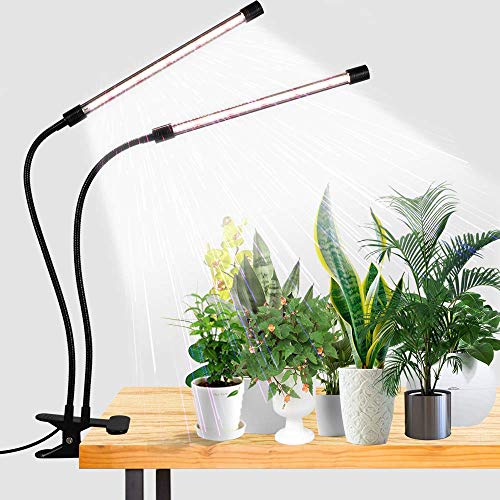
6000K White Light - equipped with 10 Red + 74 White LEDs, this growing Lamp is similar to the full-spectrum sunlight at noon,that is professionally designed for indoor garden plants.Moreover, its color rendering index is as high as 95, the light is soft and flicker-free, which is very suitable for reading lamp
Indoor Growth Essentials for Orange Trees
Growing orange trees indoors in Wisconsin requires careful attention to their specific needs. This section outlines the essential conditions and practices necessary to ensure these citrus trees thrive despite the challenges posed by the northern winter climate. By understanding light, temperature, and watering requirements, you can create an optimal environment for your indoor orange trees.
| Item | Purpose |
|---|---|
| Grow Lights | Provide necessary light |
| Humidifier | Maintain humidity levels |
| Fertilizer | Support healthy growth |
| Pots with Drainage | Prevent root rot |
Wisconsin Orange Tree Growth Issues
Growing orange trees in Wisconsin presents unique challenges due to the state’s harsh winter climates. These trees, typically suited for warmer regions, struggle with cold temperatures and frost, affecting their overall health and productivity. Understanding the specific growth issues faced by orange trees in this northern environment is essential for successful cultivation.
Growing orange trees in Wisconsin comes with challenges. Awareness of these issues can help mitigate risks. Common problems include:
Fungal Diseases: Monitor for signs of mold or mildew.
Pest Infestations: Check for aphids or spider mites regularly.
Nutrient Deficiencies: Use balanced fertilizers to prevent yellowing leaves.
Addressing these challenges promptly can ensure a successful growing season.
Winter Protection Strategies for Orange Trees
Wisconsin’s harsh winters pose significant challenges for orange trees, requiring careful planning and protective measures. Understanding effective winter protection strategies is essential for gardeners looking to cultivate these citrus trees in northern climates. This section explores various techniques to ensure the health and survival of orange trees during the frigid months.
Failure to protect orange trees during winter can lead to severe damage or death. Always take preventive measures to safeguard your trees.
Cold-Hardy Orange Tree Care Strategies
Growing orange trees in Wisconsin is feasible with the right approach. Select cold-hardy varieties, implement winter protection measures, and consider indoor cultivation for optimal results. By following these guidelines, you can enjoy the fruits of your labor even in a northern climate.
