

Growing orange trees in pots in Virginia can be successful with the right techniques and care. These trees thrive in well-drained soil and require specific sunlight and temperature conditions to flourish.
Best Orange Tree Varieties for Virginia Pots
When selecting orange trees for container gardening in Virginia, it’s essential to choose varieties that thrive in the region’s climate and growing conditions. The right selection can ensure healthy growth and fruitful yields, making your potted orange tree a delightful addition to your home or garden. Here are some of the best options suited for pot cultivation in Virginia.
Choosing the right orange tree variety is crucial for successful growth in Virginia’s climate. Some varieties are better suited for container growth and can handle the local weather conditions. Consider these popular options:
Calamondin Orange: Small, tart fruit, ideal for pots.
Satsuma Orange: Cold-hardy, sweet, and easy to peel.
Blood Orange: Unique flavor and color, requires more warmth.
Each variety has its own growth requirements and flavor profile. Researching these can help you select the best option for your needs.
Recommended Products

WARM AUTUMN FLORAL STYLE: Bring cozy fall character to your home with warm orange blooms and full green foliage. The fall mums potted plants create a welcoming seasonal look that complements autumn decorating from early fall through Thanksgiving

Value Pack: Our plant tree tags come in a value pack, providing you with an ample supply for all your gardening needs. There are 100pcs tree tags, 10 of each of 10 colors, with size 4.33" x 0.94" (LxW).
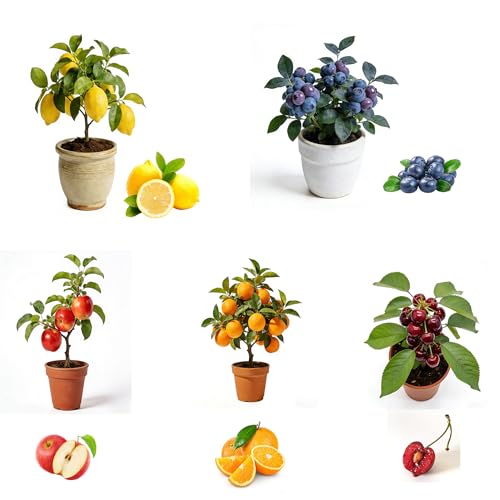
Complete Fruit Garden Collection: This comprehensive seed set provides everything needed to start a diverse container fruit garden.With 160 total seeds, this collection offers exceptional value for gardeners seeking to grow multiple fruit varieties in containers on patios, balconies, or small spaces
Optimal Potting Conditions for Orange Trees
Growing orange trees in pots in Virginia requires careful attention to their potting conditions to ensure healthy development. This section outlines the essential factors such as soil type, pot size, and drainage that contribute to the optimal environment for these citrus trees, enabling them to thrive in a container setting.
Creating the ideal potting environment is essential for your orange tree’s health. Use a large container with drainage holes to prevent root rot. The pot should be at least 12-16 inches in diameter to allow for adequate root growth.
Potting Soil Mix for Orange Trees
Choosing the right potting soil mix is crucial for the health and growth of orange trees in Virginia. The unique climate and soil conditions require a blend that provides adequate drainage, aeration, and nutrients. This section outlines the best soil components to ensure your potted orange trees thrive in their environment.
The soil mix should be well-draining and rich in organic matter. A recommended mix includes:
Citrus potting mix: Specifically formulated for citrus trees.
Perlite: Improves drainage.
Compost: Adds nutrients.
Ensure the soil pH is between 6.0 and 7.0 for optimal growth. Regularly check the moisture level to avoid overwatering.
Sunlight Requirements for Potted Orange Trees
Understanding the sunlight requirements for potted orange trees is crucial for successful cultivation in Virginia’s unique climate. These trees thrive under specific light conditions, which can significantly impact their growth and fruit production. Proper sunlight exposure ensures healthy foliage and vibrant fruit, making it essential for any aspiring gardener in the region.
Orange trees require full sun to thrive. Aim for at least 6-8 hours of direct sunlight each day. If you’re growing indoors, consider placing the pot near a south-facing window.
Winter Temperature Management for Potted Oranges
Managing winter temperatures is crucial for the health of potted orange trees in Virginia. As the cold months approach, understanding how to protect these trees from freezing conditions will ensure they thrive and produce fruit in the warmer seasons. This section provides essential tips for safeguarding your potted oranges during winter.
Virginia experiences cold winters, which can harm orange trees. Here are some tips to manage temperature:
Bring indoors: Move pots inside when temperatures drop below 30°F.
Use frost cloths: Protect trees during unexpected cold snaps.
Maintain humidity: Use a humidifier or pebble tray to increase humidity indoors.
Pot Watering and Fertilization Guidelines
Successfully growing orange trees in pots in Virginia requires careful attention to watering and fertilization. Given the region’s unique climate and soil conditions, understanding the specific needs of potted orange trees is essential for promoting healthy growth and fruit production. This section provides expert guidelines to help you maintain optimal moisture levels and nutrient balance for your trees.
Proper watering and fertilization are critical for healthy growth. Follow these guidelines:
Watering: Water when the top inch of soil feels dry. Ensure excess water drains out.
Fertilization: Use a balanced citrus fertilizer every 6-8 weeks during the growing season.
Recommended Products

Package contains 4 Pounds organic fruit and citrus fertilizer grains and is produced to avoid wasteful runoff, mess, hazards and smells

🍋 EXPLOSIVE HARVEST: GardenWise ignites a remarkable yield boost. Its scientific blend, featuring 6% nitrogen for growth, 4% phosphorus for flowering, and 6% potassium for fruit quality, culminates in an abundance of flavorful, aromatic fruits. This is more than growth; it's a nutrient-powered revolution in your citrus yield.

🍋 EXPLOSIVE HARVEST: GardenWise ignites a remarkable yield boost. Its scientific blend, featuring 6% nitrogen for growth, 4% phosphorus for flowering, and 6% potassium for fruit quality, culminates in an abundance of flavorful, aromatic fruits. This is more than growth; it's a nutrient-powered revolution in your citrus yield.
Overwatering Symptoms in Potted Orange Trees
Overwatering can be a common issue for potted orange trees, especially in Virginia’s varying climate. Understanding the symptoms of overwatering is crucial for maintaining the health of these trees, as excessive moisture can lead to root rot and other complications. This section will detail the signs to watch for to ensure your orange trees thrive.
Be cautious of overwatering, which can lead to root rot. Watch for these symptoms:
Yellowing leaves
Wilting despite moist soil
Foul smell from the soil
Pest Control Strategies for Potted Orange Trees
Potted orange trees can be a delightful addition to any Virginia garden, but they are not without their challenges. Effective pest control is essential to ensure healthy growth and fruit production. This section will explore targeted strategies to manage common pests that may threaten your potted orange trees in the unique Virginia climate.
Pests and diseases can affect orange trees, especially in pots. Regular monitoring and preventive measures are essential.
Recommended Products

PEST DEFENSE - Insecticidal Super Soap controls species of adelgid, ant, aphid, borer, caterpillar, spider mite, cricket, chinch bug, weevil, fly, thrip, & more.

READY-TO-USE CONTACT SPRAY: No mixing required. Thoroughly spray insecticide on all plant parts, including the underside of leaves. Pests must be sprayed directly to achieve control
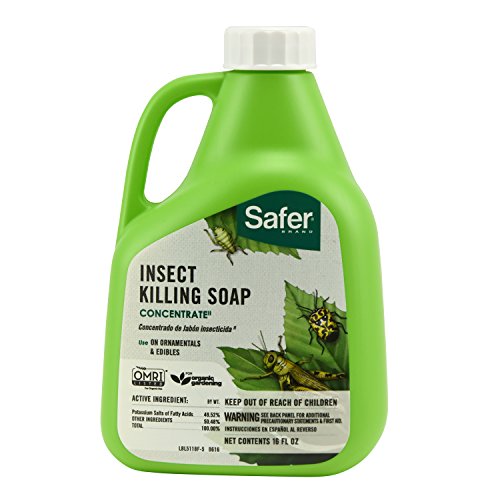
GENTLE ON MOST PLANTS - This aphid spray is ideal for use on flowers, herbs, vegetables, houseplants, lawn, tree, shrubs, and more
Pest Management for Potted Orange Trees
Managing pests is crucial for the health of potted orange trees in Virginia, where specific regional challenges can arise. Understanding common pests and their behaviors will help growers take proactive measures to protect their trees. This section provides targeted strategies to effectively combat these threats while ensuring vibrant growth and fruit production.
Aphids: Small insects that suck sap. Use insecticidal soap to control them.
Spider mites: Tiny pests that thrive in dry conditions. Increase humidity to deter them.
Citrus Diseases Impacting Virginia Growers
Virginia growers face unique challenges when cultivating orange trees in pots, particularly due to various citrus diseases that can threaten plant health and yield. Understanding these diseases is crucial for successful cultivation, as they can significantly impact the vitality of orange trees in this region. This section delves into the most common citrus diseases affecting growers in Virginia and offers insights on prevention and management strategies.
Citrus greening: A bacterial disease affecting fruit quality. Remove infected trees immediately.
Root rot: Caused by overwatering. Ensure proper drainage and avoid waterlogged soil.
Orange Tree Varieties and Potting Guidelines
When cultivating orange trees in pots specifically for Virginia’s climate, selecting the right variety and understanding potting techniques are crucial. This section delves into the best orange tree varieties suited for container growth and offers essential guidelines to ensure healthy development and fruitful yields in your home garden.
| Variety | Cold Hardiness | Fruit Size | Flavor Profile | Best Pot Size |
|---|---|---|---|---|
| Calamondin | 20°F | Small | Tart | 12 inches |
| Satsuma | 25°F | Medium | Sweet | 14 inches |
| Blood Orange | 30°F | Large | Sweet | 16 inches |
Seasonal Care Tips for Virginia Orange Trees
Caring for orange trees in pots requires attention to seasonal changes, especially in Virginia’s unique climate. Understanding the specific needs of these trees throughout the year can significantly enhance their growth and fruit production. This section offers expert tips tailored to the seasonal challenges faced by orange tree growers in the region.
Adjust your care routine based on the season to ensure optimal growth.
Watering Strategies for Virginia’s Warm Months
During Virginia’s warm months, proper watering is crucial for the health of orange trees grown in pots. Understanding the local climate and soil conditions can help ensure these trees receive the right amount of moisture. This section outlines effective watering strategies tailored specifically for Virginia’s summer heat.
Increase watering frequency as temperatures rise.
Fertilize every 6 weeks to promote growth.
Dormancy Care for Potted Orange Trees
Understanding dormancy care is essential for maintaining the health of potted orange trees in Virginia’s unique climate. As temperatures drop, these trees enter a period of rest, requiring specific care to ensure they thrive when spring arrives. Proper attention during this phase can significantly impact their growth and fruit production in the warmer months.
Reduce watering as the tree enters dormancy.
Move indoors before the first frost.
Regularly check for pests and adjust your care routine as needed.
Pest Management for Potted Orange Trees
Managing pests is crucial for the health of potted orange trees in Virginia, where local conditions can attract various insects and diseases. Understanding the specific threats to these trees and implementing effective control measures will help ensure robust growth and fruitful harvests. This section provides targeted strategies for keeping your orange trees pest-free in a pot.
Growing orange trees in pots in Virginia requires careful attention to variety selection, potting environment, sunlight, and temperature. Regular monitoring for pests and diseases will ensure a fruitful harvest.
