

Avocado trees can thrive in Idaho’s cold climate with the right techniques and care. Utilizing specific varieties and protective measures ensures successful growth and fruit production in this challenging environment.
Choose Cold-Hardy Avocado Varieties
When cultivating avocado trees in Idaho’s colder climate, selecting the right varieties is crucial for successful growth. Cold-hardy avocado varieties are specifically adapted to withstand lower temperatures, ensuring that your trees not only survive but thrive. Understanding these options will help you make informed choices for your avocado garden.
Selecting the right avocado variety is crucial for success in Idaho. Cold-hardy varieties like the Bacon and Fuerte can withstand lower temperatures. These types are more resilient and can produce fruit even in less-than-ideal conditions.
Recommended Products
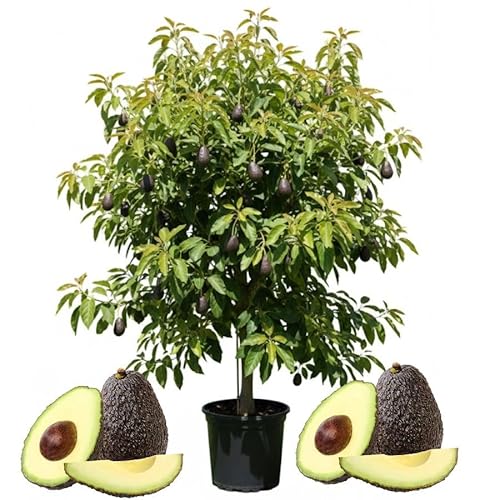
Hass Avocado Plant - 3 Gallon Size

Not available in CA

Low Maintenance: This cold-hardy avocado tree is easy to care for, making it perfect for both beginners and experienced gardeners. Ideal for yards or patios, it produces creamy avocados annually with minimal upkeep.
Cold-Hardy Avocado Varieties for Idaho
Idaho’s unique climate presents challenges for growing avocado trees, but certain cold-hardy varieties can thrive in these conditions. Understanding which types are best suited for colder temperatures is essential for successful cultivation. This section explores the most resilient avocado varieties that can adapt to Idaho’s colder weather, ensuring a fruitful harvest.
| Variety | Hardiness Zone | Fruit Characteristics | Growth Habit |
|---|---|---|---|
| Bacon | 8-10 | Medium, creamy | Spreading |
| Fuerte | 8-10 | Smooth, buttery | Upright |
| Zutano | 8-10 | Mild flavor | Tall, narrow |
Soil Preparation Techniques for Avocado Growth
Preparing the right soil is crucial for successfully growing avocado trees in Idaho’s cold climate. The unique challenges posed by lower temperatures require specific techniques to ensure optimal soil conditions. This section explores effective soil preparation methods that enhance drainage, nutrient availability, and overall health for avocado trees in less-than-ideal environments.
Proper soil preparation is essential for healthy avocado growth. Avocados prefer well-draining soil with a pH between 6 and 7. Amending the soil with organic matter improves drainage and nutrient availability.
Soil pH Testing for Avocado Growth
Understanding soil pH is crucial for successfully growing avocado trees in Idaho’s cold climate. The right pH level not only influences nutrient availability but also impacts overall tree health and fruit production. This section delves into the importance of soil pH testing and offers guidance on achieving optimal conditions for avocado cultivation.
Test the soil pH using a home testing kit.
Amend the soil with compost or well-rotted manure.
Ensure good drainage by mixing in sand or perlite if necessary.
Frost Protection Strategies for Avocado Trees
Avocado trees, while typically associated with warmer climates, can thrive in Idaho with the right frost protection strategies. Understanding the unique challenges posed by cold temperatures is essential for successful cultivation. This section explores effective methods to safeguard avocado trees from frost damage, ensuring healthy growth and fruitful yields in Idaho’s cooler environment.
Frost can severely damage avocado trees in Idaho. Implementing protective measures can safeguard your trees during cold snaps. Techniques such as covering trees with frost cloth or using heat lamps can make a significant difference.
Recommended Products
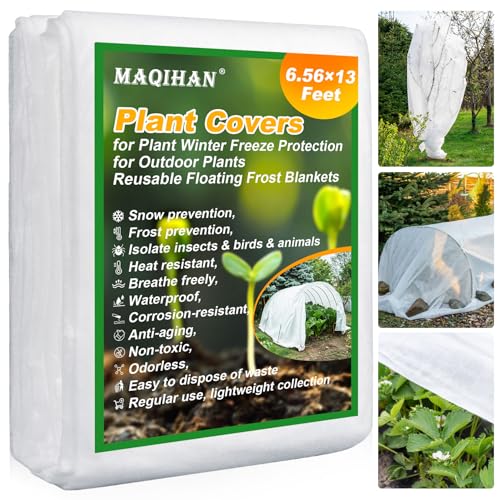
Product Features: Our plant covers are ideal for protecting all plant. Made from premium 1 oz/sq non-woven fabric, their durability and breathability ensuring both insulation against frost and facilitation of sunlight penetration for healthy plant growth

The Large plant cover is perfect for Plant size 55''-70"high and 84''-94" round, Heavy-weight FRCs (1.77oz./sq. yard): usually used to extend the growing season in spring and fall, allow 40%-60% light transmittance, and recommend 3°-8°F of freeze protection
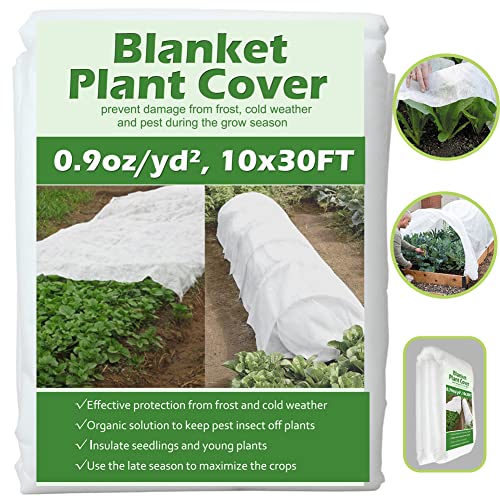
※Big Size to cover large area : The size of our plant cover is 10x30ft, the size can cover large areas. You can cut the plant covers freeze protection into different sizes for different use. You can cover it over the plant such as shrub tomato, pepper, pumpkin, and so on.
Frost Cloth Usage for Avocado Trees
In Idaho’s colder climate, protecting avocado trees from frost is crucial for successful cultivation. One effective method is the use of frost cloth, which can shield young trees from temperature drops and promote healthy growth. Understanding how to properly implement this technique can significantly enhance the resilience of avocado trees in challenging weather conditions.
Frost cloth: Cover trees during expected frost nights.
Heat lamps: Position around trees to provide warmth.
Mulch: Apply a thick layer around the base to retain soil temperature.
Watering and Fertilization Strategies for Avocados
Successfully cultivating avocado trees in Idaho’s cold climate requires careful attention to watering and fertilization. These strategies are crucial for ensuring healthy growth and fruit production, especially in regions where temperature fluctuations can stress the plants. Understanding the specific needs of avocado trees in this environment will help maximize their potential.
Watering and fertilization practices directly impact the health of avocado trees. Avocados need consistent moisture but do not tolerate waterlogged conditions. Fertilizing with a balanced fertilizer in spring promotes healthy growth.
Recommended Products

Comes in 5 lb. bag of granules

Let our professionally formulated plant food help your fruit tree grow healthy, strong AND abundantly producing

HEALTHY AVOCADO PLANTS: Our Avocado Fruit Fertilizer is formulated to nourish your avocado plants with micronutrients for lush growth and vibrant leaves while preventing yellowing and stunted growth.
Avocado Tree Care: Watering and Fertilization
Caring for avocado trees in Idaho’s cold climate requires a tailored approach to watering and fertilization. Understanding the specific needs of these trees in less-than-ideal conditions is crucial for promoting healthy growth and fruit production. This section explores effective strategies to ensure your avocado trees thrive despite the challenges posed by the local environment.
| Season | Watering Frequency | Fertilizer Type | Application Rate |
|---|---|---|---|
| Spring | Weekly | Balanced NPK | 1 lb per tree |
| Summer | Bi-weekly | High potassium | 1 lb per tree |
| Fall | Monthly | Low nitrogen | 0.5 lb per tree |
Pest and Disease Monitoring Strategies
Effective pest and disease monitoring is crucial for the successful cultivation of avocado trees in Idaho’s cold climate. Understanding the specific challenges posed by local pests and diseases will help growers implement targeted strategies. This section outlines practical approaches to keep avocado trees healthy and thriving despite environmental stresses.
Regular monitoring for pests and diseases is vital for maintaining healthy avocado trees. Common pests include aphids and spider mites, while root rot can affect the tree’s health. Early detection and treatment can prevent severe damage.
Pest Control Strategies for Idaho Avocado Trees
Growing avocado trees in Idaho presents unique challenges, particularly when it comes to pest management. The cold climate can affect the types of pests that thrive, necessitating tailored strategies to protect these trees. Understanding effective pest control methods is essential for ensuring healthy growth and fruitful yields in this unconventional growing environment.
Inspect leaves regularly for signs of pests.
Use insecticidal soap for pest control as needed.
Ensure proper drainage to prevent root rot.
Microclimate Strategies for Idaho Avocado Trees
Growing avocado trees in Idaho presents unique challenges due to the region’s cold climate. However, employing microclimate strategies can significantly enhance the chances of successful cultivation. This section explores effective techniques to create favorable conditions for avocado trees, ensuring they thrive despite the cooler temperatures.
Creating a microclimate can enhance the growing conditions for avocado trees in Idaho. Planting near south-facing walls or using windbreaks can provide additional warmth and protection from harsh winds.
Heat-Absorbing Structure Planting Strategies
In Idaho’s colder climate, successfully growing avocado trees requires innovative planting strategies that maximize heat absorption. By utilizing specific structures and techniques, gardeners can create a microenvironment that promotes warmth and protects these sensitive plants from harsh temperatures. Understanding these methods is essential for anyone looking to cultivate avocados in a challenging setting.
Plant near structures that absorb heat.
Use windbreaks to shield trees from cold winds.
Install reflective surfaces to increase sunlight exposure.
Maintain Regular Pruning Practices
Regular pruning is essential for the health and productivity of avocado trees, especially in Idaho’s cold climate. By removing dead or overcrowded branches, you can improve air circulation and sunlight exposure, which are crucial for fruit development. This section will explore effective pruning techniques tailored to the unique challenges of growing avocados in a colder environment.
Regular pruning helps maintain the shape and health of avocado trees. Removing dead or diseased branches improves air circulation and light penetration. Proper pruning also encourages better fruit production.
Cold-Climate Pruning Techniques for Avocado Trees
Pruning avocado trees in cold climates like Idaho requires specialized techniques to ensure healthy growth and fruit production. Understanding the unique challenges posed by lower temperatures can help growers adapt their pruning strategies, promoting resilience and vitality in their trees. This section explores effective methods tailored for cold-climate avocado cultivation.
Prune in late winter before new growth begins.
Remove crossing branches to improve airflow.
Shape the tree to allow sunlight to reach all parts.
Assessing Avocado Tree Health for Optimal Care
Understanding the health of avocado trees is crucial for successful cultivation, especially in Idaho’s unique cold climate. By identifying key indicators of tree vitality, growers can implement targeted care strategies to enhance growth and fruit production. This section explores essential health assessments and practical tips for maintaining robust avocado trees in less-than-ideal conditions.
Monitoring the growth of avocado trees allows for adjustments in care practices. Regularly assess tree health and make changes to watering, fertilization, or pest management as necessary. This proactive approach fosters a thriving avocado tree.
Nutrient Deficiency Leaf Color Guide
Understanding the nutrient needs of avocado trees is crucial for successful cultivation, especially in Idaho’s cold climate. Leaf color can be a key indicator of nutrient deficiencies, helping growers identify and address issues promptly. This guide will outline the specific leaf color changes associated with various nutrient deficiencies, enabling better care and management of avocado trees in challenging conditions.
Check leaf color for signs of nutrient deficiency.
Assess tree height and width for growth consistency.
Monitor fruit set to evaluate overall health.
Regular care and attention can lead to successful avocado production in Idaho’s cold climate. Implementing these strategies will enhance the likelihood of a fruitful harvest.
