

Apricot trees thrive in Richmond, VA with proper care and attention to local climate conditions. To ensure successful growth, focus on selecting the right variety, understanding soil requirements, and implementing effective pest management strategies.
Best Apricot Tree Varieties for Richmond
Choosing the correct apricot tree variety is crucial for success in Richmond’s climate. Varieties like ‘Tilton’ and ‘Katy’ are well-suited for the region, offering good fruit quality and disease resistance. Consider factors such as chill hours, which are essential for fruit set.
Recommended Products

You are buying one Apricot Tree.

FRESH SEEDS: 5 Seeds of fruit bearing Apricot Tree to grow.

Top Apricot Varieties for Richmond Climate
When cultivating apricot trees in Richmond, VA, selecting the right variety is crucial for success. The local climate presents unique challenges and opportunities, making certain apricot types more suitable than others. Understanding the best varieties can help ensure a fruitful harvest and enhance your gardening experience in this vibrant region.
| Variety | Chill Hours | Fruit Quality | Disease Resistance |
|---|---|---|---|
| Tilton | 700-800 | Excellent | Moderate |
| Katy | 600-700 | Good | High |
| Moorpark | 700-800 | Very Good | Moderate |
Select a variety that aligns with your local climate and personal preferences. This choice impacts not only yield but also the overall health of the tree.
Soil Quality for Thriving Apricot Trees
To cultivate thriving apricot trees in Richmond, VA, understanding soil quality is essential. The right soil composition not only supports healthy growth but also enhances fruit production. This section delves into the specific soil characteristics and amendments necessary for optimal apricot tree health in the region.
Soil quality is vital for the growth of apricot trees. They prefer well-draining soil with a pH between 6.0 and 7.0. Heavy clay or overly sandy soils can hinder root development and nutrient uptake.
Soil pH Testing for Apricot Growth
Understanding soil pH is crucial for successful apricot tree cultivation in Richmond, VA. The right pH level can significantly impact nutrient availability and overall tree health. This section will delve into effective methods for testing soil pH and how to adjust it to create optimal growing conditions for apricot trees.
Test Soil pH: Use a soil test kit to determine pH levels.
Amend Soil: Add lime to raise pH or sulfur to lower it as needed.
Improve Drainage: Incorporate organic matter like compost to enhance soil structure.
Proper soil preparation ensures that apricot trees receive the nutrients they need for strong growth.
Pest Control Strategies for Apricot Trees
Effective pest control is crucial for maintaining healthy apricot trees in Richmond, VA. Given the region’s unique climate and pest challenges, employing targeted strategies can help safeguard your trees from common threats. Understanding these methods will enhance your chances of a successful harvest and promote the overall vitality of your apricot trees.
Pest management is essential for maintaining healthy apricot trees. Common pests in Richmond include aphids, spider mites, and fruit flies. Regular monitoring and proactive measures can prevent infestations.
Recommended Products
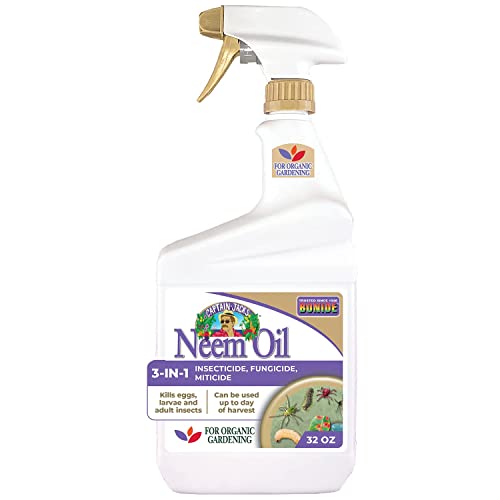
Protect your oasis with 3 garden products in 1 from Captain Jack’s; Bonide Captain Jack’s Ready-to-Use Neem Oil spray for plants is a multi-purpose fungicide, insecticide and miticide for your lawn & garden

PLANT DISEASE CONTROL: Natria Neem Oil acts as an insecticide and fungicide in one convenient spray; Ready-to-use trigger sprayer requires no mixing

FOR ORGANIC GARDENING - Captain Jack's NeemMax is a perfect pest control solution for any garden dealing with mites, flies, mildew, and more. This product is a four-in-one insecticide, fungicide, miticide, and nematicide.
Pest Control Techniques for Apricot Trees
Maintaining healthy apricot trees in Richmond, VA requires effective pest control strategies tailored to the local environment. Understanding common pests and their impact on tree health is essential for successful cultivation. This section explores practical techniques to manage and prevent pest infestations, ensuring robust growth and fruitful yields.
Regular Inspections: Check trees weekly for signs of pests.
Natural Predators: Introduce ladybugs or lacewings to control aphid populations.
Organic Pesticides: Use neem oil or insecticidal soap for targeted treatment.
Implementing these strategies can minimize pest damage and enhance fruit quality.
Optimal Watering Strategies for Apricot Trees
Proper watering is crucial for the health and productivity of apricot trees in Richmond, VA. Understanding the specific needs of these trees in the local climate can enhance growth and fruit quality. This section outlines effective watering strategies tailored to the unique conditions of the Virginia capital.
Proper watering techniques are crucial for the health of apricot trees. In Richmond, trees require consistent moisture, especially during dry spells. Overwatering can lead to root rot, while underwatering can stress the tree.
Recommended Products
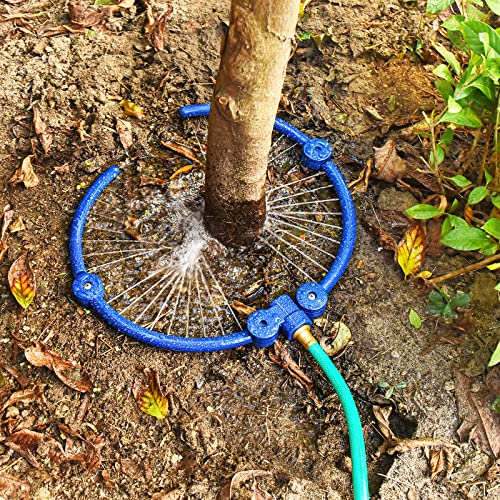
【Specially Designed for Trees and Shrubs】 The Watering Ring is a multi-purpose irrigation ring that attaches to a garden hose to efficiently water young trees shrubs vegetables or flower beds using drip or trickle irrigation.It directs water to the root perimeter of the plant to give them a good start during the first two growing seasons or through periods of drought.

【Even & Consistent Root Watering】Features micro-pore seepage technology that distributes water evenly along the entire hose, transforming spot watering into uniform line watering directly to plant roots. Unlike traditional drip irrigation systems with clog-prone emitters, this soaker hose creates a continuous moisture band for healthier, deeper-rooted plants

EFFICIENT TREE WATERING: Designed for optimal tree watering, this accessory ensures deep root hydration and promotes healthy growth for your landscape trees and plants.
Deep Watering Techniques for Apricot Trees
Deep watering is essential for the health and productivity of apricot trees, especially in the climate of Richmond, VA. This technique ensures that the roots receive adequate moisture, promoting robust growth and fruit development. Understanding the best practices for deep watering can significantly enhance your apricot tree’s resilience and yield.
Frequency: Water deeply once a week during dry periods.
Method: Use a soaker hose to deliver water directly to the roots.
Mulching: Apply a layer of mulch to retain soil moisture.
Following these guidelines promotes healthy tree growth and fruit production.
Apricot Tree Fertilization Timing and Techniques
Proper fertilization is essential for the health and productivity of apricot trees in Richmond, VA. Understanding the optimal timing and techniques for applying nutrients can significantly enhance fruit yield and tree vigor. This section delves into effective fertilization strategies tailored to the local climate and soil conditions.
A well-planned fertilization schedule is essential for the health of apricot trees. Proper nutrients support growth and fruit development. Use a balanced fertilizer to provide the necessary nutrients.
Spring Fertilization for Apricot Trees
Spring is a crucial time for apricot trees in Richmond, VA, as proper fertilization can significantly enhance their growth and fruit production. Understanding the specific nutrient needs and timing for fertilization will help ensure that these trees thrive in the local climate. This section will provide essential tips for effectively fertilizing apricot trees during the spring season.
Early Spring Application: Apply a balanced fertilizer as buds begin to swell.
Mid-Season Boost: Use a nitrogen-rich fertilizer after fruit set.
Fall Preparation: Apply a low-nitrogen fertilizer in late fall to prepare for winter.
Adhering to this schedule ensures that apricot trees receive adequate nutrients throughout the growing season.
Apricot Tree Care Best Practices in Richmond
Caring for apricot trees in Richmond, VA requires an understanding of the local climate and soil conditions. This section outlines essential best practices to ensure healthy growth and fruitful harvests, tailored specifically for the unique challenges and opportunities presented by the region’s environment. By following these guidelines, gardeners can cultivate thriving apricot trees that flourish in Richmond.
| Care Aspect | Best Practices | Frequency |
|---|---|---|
| Watering | Deep watering | Weekly |
| Fertilization | Balanced fertilizer | Spring, Mid-season, Fall |
| Pest Management | Regular inspections | Weekly |
| Soil Testing | pH and nutrient levels | Annually |
This table summarizes the essential care aspects for successful apricot tree cultivation in Richmond, VA.
Local Care Strategies for Apricot Trees
Successfully growing apricot trees in Richmond, VA requires an understanding of local conditions and specific care strategies. This section will explore tailored techniques that address the unique climate, soil, and pest challenges faced by gardeners in this region, ensuring healthy growth and fruitful harvests. Implementing these localized practices can significantly enhance the success of your apricot trees.
Monitor local weather conditions to adapt care practices as needed. Engage with local gardening communities for shared experiences and advice. Regularly assess tree health and adjust care strategies to ensure optimal growth and fruit production.
