

Apricot trees can thrive in Boise, ID, with proper care and attention to local climate conditions. Choosing the right variety and implementing effective planting techniques will enhance the chances of successful growth in this high desert region.
Best Apricot Varieties for Boise’s Climate
Choosing the right apricot variety is crucial for successful cultivation in Boise’s climate. The local weather features hot summers and cold winters, which can affect fruiting and tree health. Some varieties are more adaptable to these conditions, ensuring better yields and disease resistance.
Tilton: Known for its excellent flavor and adaptability.
Katja: A hardy variety that produces sweet fruits.
Moorpark: Offers large fruit and is well-suited for colder climates.
| Variety | Flavor Profile | Cold Hardiness | Yield Potential |
|---|---|---|---|
| Tilton | Sweet | Moderate | High |
| Katja | Sweet | High | Moderate |
| Moorpark | Rich | High | High |
Recommended Products

Live Tree - May Arive Dormant in Winter(No Leaves)


Boise Climate and Soil for Apricot Growth
Understanding the climate and soil conditions in Boise, ID is essential for successfully cultivating apricot trees. The high desert environment presents unique challenges and opportunities that can influence growth and fruit production. This section delves into the specific factors that affect apricot cultivation in this region, providing insights for potential growers.
Boise’s climate presents unique challenges for growing apricot trees. The high desert environment features low humidity and significant temperature fluctuations. Understanding these factors will help in planning the planting and care of your trees.
Temperature: Apricot trees require a chilling period in winter for proper fruit set. Boise’s winters typically provide adequate chilling hours.
Soil Type: Well-draining soil is essential. Sandy loam or loamy soil is ideal for apricot trees. Conduct a soil test to determine pH and nutrient levels.
Soil Amendments for Healthy Apricot Growth
To cultivate healthy apricot trees in Boise’s high desert climate, understanding soil amendments is essential. The region’s unique soil composition often requires adjustments to ensure optimal growth conditions. This section will explore the specific amendments that can enhance soil quality and support robust apricot development in this challenging environment.
Proper soil preparation is vital for establishing healthy apricot trees. This involves amending the soil to improve drainage and nutrient content.
Test Soil: Check pH levels and nutrient deficiencies.
Amend Soil: Incorporate compost or well-rotted manure to enhance fertility.
Improve Drainage: If soil is heavy clay, consider raised beds or mounding.
Optimal Planting Practices for Apricot Trees
When considering the successful cultivation of apricot trees in Boise’s high desert climate, understanding optimal planting practices is essential. Factors such as soil preparation, planting depth, and timing can significantly influence the health and productivity of these trees. This section will explore the best methods to ensure your apricot trees thrive in this unique environment.
Planting apricot trees at the right time and providing adequate care will significantly impact their growth. Spring is the best time to plant in Boise, after the last frost.
Spacing: Space trees 15 to 20 feet apart to allow for growth.
Watering: Regular watering is essential, especially during dry spells. Deep watering encourages strong root development.
Fertilization: Use a balanced fertilizer in early spring to promote healthy growth.
Recommended Products

Heat-Treated Serrated Saw Blade: 8" saw blade designed for efficient cutting of branches and tough materials, ensuring sharpness and durability.

Various Bonsai Tools: This bonsai helper set including 3 bonsai pruning scissors, 1 folding scissors, 1 rake, 2 spades and 1 pair of tweezers. The combination of various tools allows you to take better care of plants.
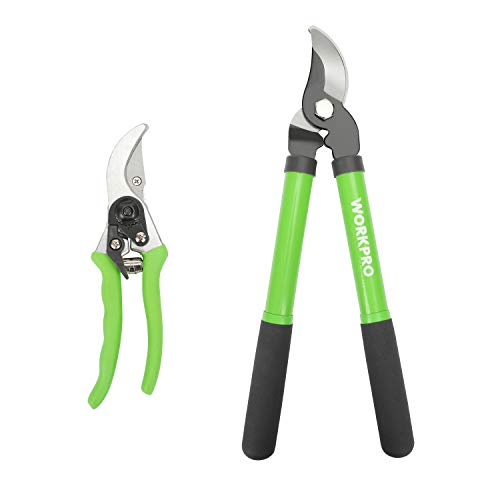
Ideal for pruning flowers and other garden plants
Pruning Methods for Apricot Trees
Pruning is essential for maintaining the health and productivity of apricot trees, especially in the unique climate of Boise, ID. Understanding the best pruning methods can significantly influence fruit yield and tree vigor, ensuring that these high desert trees thrive despite challenging conditions. This section explores effective techniques tailored for apricot trees in this specific environment.
Pruning apricot trees is necessary for maintaining shape and encouraging fruit production. Proper techniques will help prevent disease and improve air circulation.
Timing: Prune during late winter or early spring before new growth begins.
Method: Remove dead or crossing branches. Thin out crowded areas to enhance light penetration.
Pest Management Strategies for Boise Apricot Trees
Managing pests is crucial for the health of apricot trees in Boise’s unique high desert climate. Understanding the specific threats these trees face and implementing effective strategies can lead to successful cultivation. This section explores various pest management techniques tailored for apricot trees in the Boise area, ensuring a fruitful harvest.
Pest and disease management is crucial for healthy apricot trees. Boise’s climate can attract specific pests that may threaten tree health.
Common Pests: Aphids, spider mites, and fruit tree borers can affect apricot trees.
Disease Prevention: Implement good sanitation practices and monitor trees regularly for signs of trouble.
| Pest/Disease | Symptoms | Control Methods |
|---|---|---|
| Aphids | Curling leaves | Insecticidal soap |
| Spider Mites | Webbing on leaves | Neem oil |
| Fruit Tree Borers | Holes in bark | Pheromone traps |
Recommended Products


3-IN-1 GARDEN SPRAY - Earth’s Ally 3-in-1 Plant Spray is an insecticide, miticide and fungicide. The houseplant pest spray effectively kills and controls soft-bodied insects and common plant diseases with a synergistic blend of essential oils.

Optimal Apricot Harvest Timing and Techniques
Understanding the best timing and techniques for harvesting apricots is crucial for maximizing yield and quality in Boise’s high desert climate. This section delves into the specific practices that can enhance the success of apricot cultivation, ensuring that growers can enjoy the fruits of their labor at the peak of ripeness.
Harvesting apricots at the right time ensures optimal flavor and quality. Monitor fruit color and firmness for the best results.
Timing: Harvest when fruit is fully colored and slightly soft to the touch.
Technique: Gently twist or cut fruit from the branch to avoid damaging the tree.
Be mindful of the harvest window as apricots can ripen quickly. Enjoy your fresh apricots in various culinary applications or preserve them for later use.
