

Growing apricot trees in Stockton, CA requires specific attention to local climate and soil conditions. Successful cultivation hinges on selecting the right varieties and implementing effective care strategies.
Stockton Climate Considerations for Apricot Growth
Stockton’s unique climate plays a crucial role in the successful cultivation of apricot trees. Understanding the local weather patterns, temperature ranges, and seasonal variations can significantly impact fruit quality and tree health. This section delves into the specific climatic factors that aspiring apricot growers in Stockton should consider for optimal results.
Stockton’s Mediterranean climate features hot, dry summers and mild, wet winters. Apricot trees thrive in these conditions, but understanding temperature fluctuations is crucial. Late spring frosts can damage blossoms, so selecting varieties that bloom later can mitigate this risk.
Consider the following factors when assessing your local climate:
Frost dates: Know the average last frost date in spring.
Heat units: Determine the growing degree days for optimal fruit development.
Rainfall: Monitor annual precipitation to adjust irrigation needs.
Best Apricot Varieties for Stockton Climate
Selecting the right apricot varieties is crucial for thriving in Stockton’s unique climate. With its warm summers and mild winters, certain apricot types flourish better than others, offering both resilience and flavor. This section highlights the best apricot varieties suited for optimal growth and fruit production in the San Joaquin Valley.
Choosing the right apricot variety is essential for success in Stockton. Some varieties are more suited to the region’s climate and soil conditions.
Here are some recommended varieties:
| Variety | Description | Chill Hours | Harvest Time |
|---|---|---|---|
| Tilton | Sweet, juicy fruit, good for fresh eating | 300-500 | Late June |
| Katy | Early ripening, low acidity | 300-400 | Early June |
| Moorpark | Large fruit, excellent flavor | 500-600 | Late July |
Recommended Products

🌱 4 LIVE CHICAGO HARDY FIG STARTER PLANTS – Receive healthy, vigorous live plants for planting, ready to thrive and produce delicious figs in your home garden.
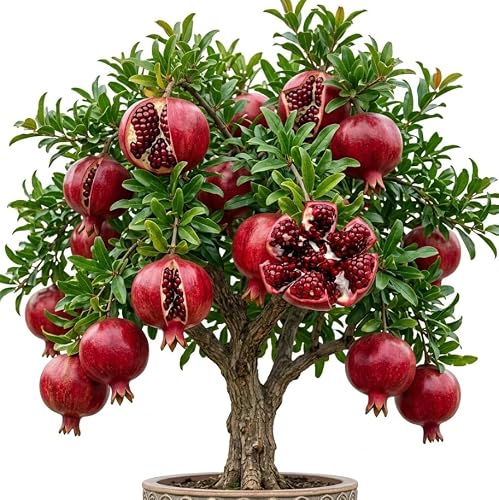
Each order includes a live red pomegranate plant, carefully grown and ready to thrive in your garden or home.

You are buying 2 Live Plants Musa Basjoo Banana Trees 5-6" Tall
Soil Preparation for Apricot Cultivation
Preparing the right soil is crucial for successful apricot cultivation in Stockton, CA. The unique climate and soil conditions of the San Joaquin Valley require specific amendments and techniques to ensure optimal growth. Understanding how to properly prepare the soil will set the foundation for healthy trees and a bountiful harvest.
Healthy soil is the foundation for thriving apricot trees. Conduct a soil test to determine pH and nutrient levels. Apricots prefer slightly acidic to neutral soil (pH 6.0-7.0).
To prepare your soil:
Amend with organic matter like compost to improve drainage and fertility.
Ensure proper drainage to prevent root rot.
Test for nutrient deficiencies and adjust with fertilizers as needed.
Watering Strategies for Healthy Apricot Trees
Effective watering is crucial for cultivating healthy apricot trees in Stockton’s unique climate. With the region’s warm temperatures and varying rainfall, understanding the best practices for irrigation can significantly impact tree growth and fruit production. This section explores essential watering strategies tailored to ensure your apricot trees thrive in the San Joaquin Valley.
Watering is critical for apricot tree health, especially during the growing season. Overwatering can lead to root diseases, while underwatering can stress the tree.
Follow these watering guidelines:
Deep water once a week during dry periods.
Mulch around the base to retain moisture.
Adjust frequency based on rainfall and temperature.
Effective Pest and Disease Management for Apricots
Managing pests and diseases is crucial for the health and productivity of apricot trees in Stockton, CA. This region’s unique climate and environmental conditions can foster specific challenges, making it essential for growers to adopt effective strategies. Understanding common threats and implementing preventive measures will help ensure a bountiful harvest of quality apricots.
Pests and diseases can threaten your apricot trees. Regular monitoring and proactive management are essential.
Common issues include:
Aphids: Small insects that can stunt growth. Use insecticidal soap for control.
Brown rot: Fungal disease affecting fruit. Remove infected fruit and improve air circulation.
Leaf curl: Caused by a virus. Prune affected branches to prevent spread.
Fertilization Techniques for Apricot Trees
Fertilization is crucial for the health and productivity of apricot trees, especially in the unique climate of Stockton, CA. Understanding the specific nutrient needs and timing for fertilization can significantly enhance growth and fruit quality. This section explores effective fertilization techniques tailored to the conditions of the San Joaquin Valley.
Fertilization supports healthy growth and fruit production in apricot trees. Timing and type of fertilizer matter.
Consider these fertilization tips:
Apply a balanced fertilizer in early spring.
Use organic options like fish emulsion or bone meal for slow release.
Monitor tree growth and adjust fertilizer applications based on tree health.
Pruning Techniques for Apricot Yield
Pruning is a crucial practice for maximizing apricot yields, especially in the unique climate of Stockton, CA. Proper techniques not only enhance fruit production but also improve tree health and resilience. Understanding the best methods for pruning apricot trees can lead to a bountiful harvest and ensure long-term success in your orchard.
Pruning is vital for maintaining the shape and improving fruit yield of apricot trees. Proper techniques enhance air circulation and sunlight penetration.
Follow these pruning steps:
Prune in late winter before new growth begins.
Remove dead or crossing branches to improve structure.
Thin out excess fruit to promote larger, healthier apricots.
Detecting Stress in Apricot Trees
Recognizing stress in apricot trees is crucial for maintaining their health and productivity, especially in the unique climate of Stockton, CA. By understanding the signs of stress, growers can take timely action to ensure their trees thrive in the San Joaquin Valley. This section explores the key indicators of stress and effective management strategies to support robust growth.
Regularly check your apricot trees for signs of stress. Early detection allows for timely intervention.
Look for these critical signs:
Wilting leaves: Indicates insufficient water or root issues.
Discoloration: Yellowing leaves may signal nutrient deficiencies.
Poor fruit set: Could indicate pollination problems or environmental stress.
Common Apricot Tree Problems and Solutions
Growing apricot trees in Stockton, CA can be rewarding, but various challenges may arise. Understanding common problems such as pests, diseases, and environmental stressors is crucial for maintaining healthy trees. This section outlines typical issues faced by apricot growers in the San Joaquin area and offers practical solutions to ensure a fruitful harvest.
| Issue | Symptoms | Solution |
|---|---|---|
| Root rot | Wilting, yellowing leaves | Improve drainage, reduce watering |
| Aphids | Curling leaves, sticky residue | Use insecticidal soap |
| Brown rot | Rotted fruit, brown lesions | Remove infected fruit, improve air circulation |
Regular attention to these factors will enhance the success of your apricot trees in Stockton. Implementing these strategies ensures a bountiful harvest and healthy trees.
