

Growing apricot trees in Fresno, CA requires understanding the region’s climate and soil conditions. Proper care and management can lead to a fruitful harvest, ensuring healthy trees and quality fruit.
Fresno Climate Insights for Apricot Cultivation
Fresno, located in California’s Central Valley, experiences hot, dry summers and mild winters. These conditions are ideal for growing apricot trees, which thrive in full sun and well-drained soil. The region’s climate allows for a longer growing season, which is beneficial for fruit development. However, understanding the local climate patterns is crucial for successful cultivation.
Recommended Products

🍑 𝐏𝐑𝐄𝐌𝐈𝐔𝐌 𝐀𝐏𝐑𝐈𝐂𝐎𝐓 𝐏𝐎𝐓𝐓𝐈𝐍𝐆 𝐌𝐈𝐗: Our Apricot Potting Mix is crafted to provide the perfect growing environment for vibrant and healthy apricot trees. This premium soil mix ensures your apricot trees receive the optimal nutrients, moisture, and aeration needed to thrive, making it ideal for both indoor plants and container gardening.

100% Natural: Expertly hand-blended with premium ingredients for potted citrus trees, ensuring your trees receive the purest, chemical-free nutrients. Contains no artificial additives.
🍑 𝐏𝐑𝐄𝐌𝐈𝐔𝐌 𝐀𝐏𝐑𝐈𝐂𝐎𝐓 𝐏𝐎𝐓𝐓𝐈𝐍𝐆 𝐌𝐈𝐗: Our Apricot Potting Mix is expertly crafted to provide the perfect growing environment for vibrant and healthy apricot trees. This premium soil mix ensures your apricot trees receive the optimal nutrients, moisture, and aeration needed to thrive, making it ideal for both indoor plants and container gardening.
Optimal Soil Types for Apricot Cultivation
Understanding the best soil types for apricot cultivation is crucial for successful growth in Fresno’s unique climate. The right soil not only supports healthy root development but also enhances fruit quality and yield. This section explores the optimal soil conditions that will help ensure a bountiful harvest in the Central Valley.
Apricot trees prefer sandy loam or clay loam soils that drain well. Soil pH should ideally range from 6.0 to 7.5.
Testing soil before planting can help determine its suitability. Here are some key factors to consider:
| Soil Type | Drainage | pH Level | Nutrient Content |
|---|---|---|---|
| Sandy Loam | Excellent | 6.0-7.5 | Moderate |
| Clay Loam | Good | 6.0-7.5 | High |
| Clay | Poor | 6.5-7.0 | High |
| Sandy | Moderate | 6.0-7.5 | Low |
Best Apricot Varieties for Fresno Climate
Choosing the right apricot varieties is crucial for successful cultivation in Fresno’s unique climate. The region’s warm summers and mild winters favor specific types that thrive and produce abundant fruit. This section explores the best apricot varieties suited for the Central Valley, ensuring a fruitful harvest for local growers.
Choosing the right apricot variety is essential for successful growth. Some varieties are better suited for Fresno’s climate than others. Consider the following options:
Tilton: Known for its sweet flavor and good yield.
Blenheim: A popular choice with excellent taste and can withstand heat.
Katy: Early ripening variety that produces large fruit.
Each variety has its own unique characteristics and harvest times. Selecting a variety that matches your local conditions can significantly impact your success.
Optimal Timing for Apricot Tree Planting
Timing is crucial for successfully planting apricot trees in Fresno, CA, where the climate can significantly influence growth. Understanding the best times to plant can help ensure healthy trees and a fruitful harvest. This section will explore the optimal planting windows and conditions specific to the Central Valley.
When planting apricot trees, timing and technique are critical. The best time to plant is in early spring after the last frost. Follow these steps for effective planting:
Choose a sunny location with well-drained soil.
Dig a hole twice the width of the root ball and slightly deeper.
Mix compost into the soil to improve nutrient content.
Place the tree in the hole, ensuring the graft union is above soil level.
Backfill with soil and water thoroughly.
Proper planting ensures strong root development and tree stability.
Irrigation and Nutrient Management for Apricots
Irrigation and nutrient management are crucial for cultivating healthy apricot trees in Fresno’s Central Valley. Given the region’s unique climate and soil conditions, understanding the best practices for watering and fertilizing can significantly enhance fruit quality and yield. This section delves into effective strategies tailored for local growers to ensure robust apricot production.
Watering and fertilization are crucial for the health of apricot trees. Young trees require more frequent watering until established. Here are some guidelines:
Water deeply once a week during dry spells.
Use mulch to retain moisture and suppress weeds.
Fertilize with a balanced fertilizer in early spring and again in late summer.
Monitoring soil moisture and adjusting watering schedules can prevent over or under-watering.
Pest and Disease Control for Apricot Trees
Effective pest and disease control is crucial for maintaining healthy apricot trees in Fresno’s unique climate. The Central Valley’s warm temperatures and occasional humidity create an environment where various pests and diseases can thrive. Understanding these threats and implementing targeted management strategies can significantly enhance your apricot harvest.
Apricot trees can be susceptible to various pests and diseases. Regular monitoring is essential for early detection. Common issues include:
Aphids: Small insects that can be controlled with insecticidal soap.
Brown rot: A fungal disease that can be managed with proper sanitation and fungicides.
Leaf curl: Preventive measures include proper pruning and maintaining air circulation.
Implementing an integrated pest management strategy can help protect your trees.
Recommended Products

3-IN-1 FLOWER CARE: All-In-One Rose & Flower Plant Care provides insect control, disease control, and plant mite control all in one; Rainproof protection starts in 4 hours and lasts up to 14 days

Control diseases and insects in your garden with Captain Jack’s Fruit Tree Spray Concentrate! Use on a variety of listed fruits, nuts and citrus plants.

KILLS LISTED FRUIT & CITRUS TREE INSECTS: Controls Asian Citrus Psyllid, Whiteflies, Aphids Thrips, Citrus Leafminers, Leafhoppers, Blackfly, Mealybugs, Scales, Avocado Lacebugs, Oriental Beetles, Flea Beetles, Sharpshooters, and Spittlebugs
Optimal Apricot Harvest Timing and Techniques
Understanding the optimal timing and techniques for harvesting apricots is crucial for maximizing yield and flavor in Fresno’s unique climate. With the right approach, growers can ensure their fruit reaches peak ripeness, offering the best taste and quality. This section delves into the specifics of when and how to harvest apricots effectively in the Central Valley.
Harvesting apricots at the right time is crucial for flavor and quality. Apricots should be picked when they are fully colored and slightly soft to the touch. Follow these tips for optimal harvest:
Check for color: Look for a rich golden hue.
Gently squeeze the fruit to test ripeness.
Harvest in the morning when temperatures are cooler.
Proper harvesting techniques will ensure the best flavor and texture for your apricots.
Apricot Cultivation Best Practices for Fresno
Growing apricot trees in Fresno requires attention to climate, soil, and care practices. By selecting the right variety and implementing effective management strategies, you can enjoy a bountiful harvest. Regular monitoring for pests and diseases will further enhance your success.
Recommended Products

3-IN-1 PLANT CARE: 3-In-1 Insect, Disease & Plant Mite Control provides insect control, disease control, and plant mite control all in one; Rainproof protection starts in 4 hours and lasts up to 14 days

3-in-1 FORMULA: Aphid spray for outdoor plants for use on roses, flowers, shrubs and trees to control listed insects, disease and mites
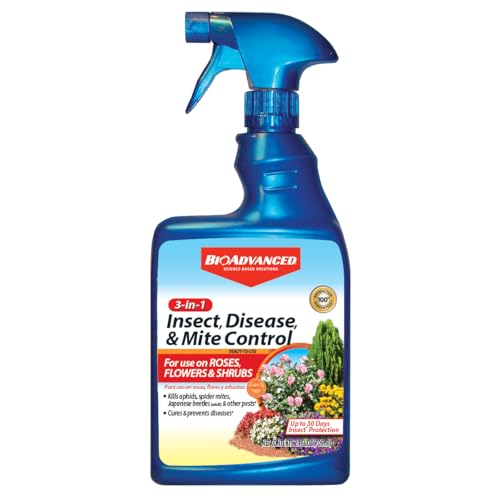
INSECT KILLER: Army worm killer. Also kills insects such as Aphids, Spider Mites, Japanese Beetles, Caterpillars, and other listed insects
