

Growing apricot trees in Las Vegas requires careful attention to desert irrigation and proper care techniques. With the right practices, these trees can thrive despite the challenging climate. This guide outlines essential strategies for successful apricot cultivation in a desert environment.
Apricot Tree Care in Desert Conditions
Apricot trees thrive in well-draining soil and require full sunlight for optimal growth. They prefer a pH level between 6.0 and 7.0. In Las Vegas, the high temperatures and low humidity can stress the trees, making it crucial to establish a robust irrigation system.
Recommended Products
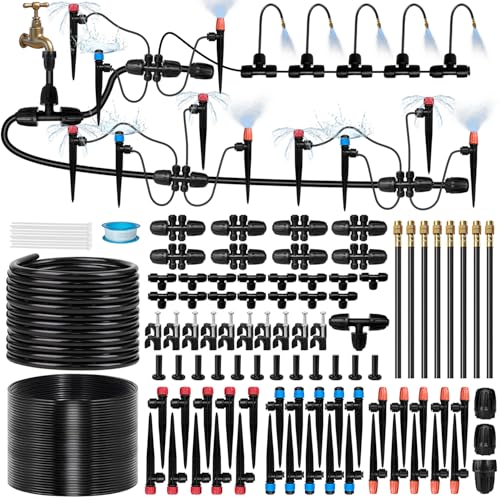
【Upgraded Tube Design & Water Saving】 Our garden watering system is upgraded to 1/2” diameter to support high water pressure. The 1/2” tee connector allows seamless splitting into 2 independent zones for customized watering schedules. By delivering moisture directly to root zones, this drip Irrigation system significantly reduces evaporation and runoff—saving more water compared to conventional sprinklers while eliminating the need for manual watering.

NO MORE HARD INSTALLATION - SET UP IN MINUTES. Tired of struggling with stiff barbed fittings? This drip irrigation system features quick-connect fittings that let you push, lock, and secure tubing effortlessly. No tools, no leaks, just a smooth setup experience. Enjoy a frustration-free installation and get your garden watering system running in minutes.

🍀【Extra-Long 50FT 5/16” Mainline Tubing】 With 50 feet of premium 5/16” main tubing, you have more flexibility to build a central watering path across larger garden layouts. The enhanced flow capacity supports multiple emitters with consistent water pressure throughout your irrigation zones.
Soil Amendments for Apricot Tree Growth
Soil quality plays a crucial role in the successful growth of apricot trees in the challenging desert environment of Las Vegas. Proper amendments can enhance nutrient availability and improve water retention, ensuring that these trees thrive despite the arid conditions. Understanding the right soil amendments is essential for cultivating healthy and productive apricot trees in this unique climate.
Proper soil preparation is vital for healthy apricot trees. Start by testing the soil to determine its pH and nutrient levels. Amend the soil with organic matter to improve drainage and fertility.
| Soil Component | Purpose |
|---|---|
| Compost | Enhances nutrient content |
| Sand | Improves drainage |
| Mulch | Retains moisture |
Incorporate these components into the planting area to create a suitable environment. This preparation helps the tree develop a strong root system, which is essential for drought resistance.
Desert Irrigation Methods for Apricot Trees
In the arid climate of Las Vegas, effective irrigation is crucial for the health and productivity of apricot trees. Understanding the specific methods tailored for desert conditions can significantly enhance growth and fruit yield. This section explores various irrigation techniques that cater to the unique challenges posed by the desert environment.
Irrigation is critical in the Las Vegas desert. Apricot trees need deep watering to encourage root growth. Consider the following methods for effective irrigation:
Drip irrigation: Delivers water directly to the roots, minimizing evaporation.
Soaker hoses: Provide consistent moisture without waterlogging the soil.
Mulching: Reduces evaporation and keeps soil temperature stable.
Monitor moisture levels regularly to avoid overwatering or underwatering. A simple soil moisture meter can help determine when to water.
Fertilization Timing for Apricot Trees
Understanding the optimal fertilization timing for apricot trees is crucial for successful cultivation in the unique desert climate of Las Vegas. Proper nutrient application not only supports healthy growth but also enhances fruit production, making it essential for gardeners to align their fertilization practices with the specific needs of these trees throughout the growing season.
Fertilization supports healthy growth and fruit production. Use a balanced fertilizer formulated for fruit trees. Apply in early spring and again in late summer.
| Fertilizer Type | Application Timing | Rate |
|---|---|---|
| Balanced NPK | Early Spring | 1 lb per tree |
| Potassium-rich | Late Summer | 0.5 lb per tree |
Follow the manufacturer’s instructions for application rates. Over-fertilizing can harm the tree and reduce fruit quality.
Apricot Tree Pest Control Strategies
Managing pests is crucial for the health of apricot trees in the unique climate of Las Vegas. Effective pest control strategies not only protect the trees from common threats but also ensure a bountiful harvest. Understanding the specific challenges posed by the desert environment can help growers implement targeted solutions for maintaining their apricot trees.
Pests and diseases can threaten apricot trees. Regular monitoring is essential to catch issues early.
Common pests include aphids and spider mites. Use organic insecticidal soap for treatment.
Preventive measures include:
Pruning: Improve air circulation to reduce disease risk.
Sanitation: Remove fallen leaves and fruit to minimize pests.
Companion planting: Use plants that deter pests.
Regular inspections and prompt action can keep your apricot trees healthy.
Seasonal Apricot Tree Care Guidelines
Caring for apricot trees in the unique climate of Las Vegas requires a tailored approach throughout the seasons. Understanding the specific needs for irrigation, pruning, and pest management at different times of the year is essential for promoting healthy growth and fruitful yields. This guide provides detailed seasonal care guidelines to help ensure your apricot trees thrive in the desert environment.
Each season brings unique care requirements for apricot trees. Adjust your care routine based on seasonal changes.
| Season | Care Action |
|---|---|
| Spring | Fertilize and prune |
| Summer | Water deeply and monitor pests |
| Fall | Harvest and clean up debris |
| Winter | Protect against frost |
Understanding these seasonal needs helps ensure your apricot trees remain productive and healthy throughout the year.
Best Practices for Apricot Tree Irrigation
Apricot trees can flourish in Las Vegas with the right irrigation and care practices. Focus on soil preparation, effective watering techniques, and seasonal management to maximize fruit yield. Regular monitoring for pests and diseases will further enhance the health of your trees.
