

Tamarind trees can thrive in Maryland’s Mid-Atlantic climate with proper care and planting techniques. By selecting the right location and understanding their specific needs, you can successfully grow these unique trees in your garden.
Tamarind Tree Growth Conditions in Maryland
Tamarind trees, known for their unique flavor and versatile uses, can thrive in Maryland’s diverse climate with the right conditions. Understanding the specific growth requirements, including soil type, sunlight, and moisture levels, is essential for successful cultivation in the Mid-Atlantic region. This section delves into the optimal conditions needed for tamarind trees to flourish in Maryland.
Tamarind trees require specific conditions to flourish. They thrive in warm climates but can adapt to cooler regions with the right care. In Maryland, consider the following factors for successful growth:
Sunlight: Tamarind trees need full sun exposure, ideally 6-8 hours daily.
Soil Type: Well-draining sandy or loamy soil is preferred.
Watering: Regular watering is essential, especially during dry spells.
Recommended Products

This tropical fruit tree produces long brown fruits in the late spring to early summer

✅ ABOUT PRODUCT- This package contains New Fresh 100pcs Tamarind Tree Seeds , SEEDS ONLY, no live plants.The photos show are the mature plant in the future, not the actual plant you will receive
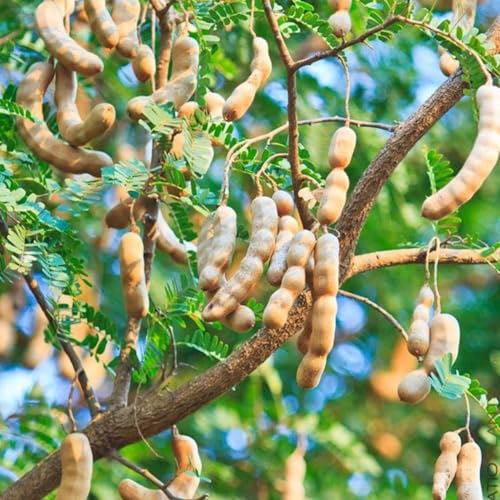
Prefers full sun for optimal growth and canopy development
Optimal Tamarind Tree Planting Sites
When considering the best locations for planting tamarind trees in Maryland, several factors come into play. Understanding the optimal conditions, including soil type, sunlight exposure, and climate nuances, can significantly enhance growth and yield. This section delves into the ideal planting sites to ensure successful cultivation of tamarind trees in the Mid-Atlantic region.
Selecting the right planting location is crucial for the health of your tamarind tree. Choose a spot that offers protection from harsh winds and frost. Here are some tips to identify the best location:
Sun Exposure: Ensure the area receives ample sunlight throughout the day.
Drainage: Avoid low-lying areas where water may pool.
Spacing: Allow sufficient space for the tree to grow, ideally 20-30 feet from other plants.
| Factor | Recommendation |
|---|---|
| Sun Exposure | 6-8 hours daily |
| Soil Type | Sandy or loamy |
| Watering Frequency | Weekly during dry spells |
Soil Preparation Techniques for Tamarind Trees
Preparing the right soil is crucial for the successful growth of tamarind trees in Maryland’s unique climate. This section delves into effective soil preparation techniques that ensure optimal drainage, nutrient availability, and pH balance, setting the foundation for healthy tamarind cultivation in the Mid-Atlantic region. Understanding these techniques will help gardeners create an ideal environment for their trees to thrive.
Proper soil preparation enhances the growth potential of tamarind trees. Start by testing the soil pH, aiming for a range of 6.0 to 7.0. Follow these steps for optimal soil preparation:
Test Soil: Use a soil testing kit to determine pH and nutrient levels.
Amend Soil: Add organic matter, such as compost, to improve fertility.
Tilling: Loosen the soil to a depth of at least 12 inches for better root penetration.
Watering and Fertilizing Guidelines for Tamarind Trees
Proper watering and fertilizing are crucial for the successful growth of tamarind trees in Maryland’s unique climate. Understanding the specific needs of these trees will help ensure they thrive, especially during the establishment phase. This section outlines essential guidelines to optimize moisture levels and nutrient availability for healthy tamarind development.
Establishing a consistent watering and fertilizing routine is essential for healthy tamarind trees. Young trees require more frequent watering. Consider the following guidelines:
Watering Schedule: Water deeply once a week during the growing season.
Fertilizing: Use a balanced fertilizer every 6-8 weeks in spring and summer.
Mulching: Apply a layer of mulch to retain moisture and suppress weeds.
| Action | Frequency |
|---|---|
| Deep Watering | Weekly |
| Fertilizing | Every 6-8 weeks |
| Mulching | As needed |
Tamarind Tree Pest and Disease Control Strategies
Tamarind trees can face various pests and diseases that threaten their health and growth, particularly in the unique climate of Maryland. Understanding effective control strategies is essential for maintaining these trees, ensuring they thrive in the Mid-Atlantic region. This section outlines key methods to protect and nurture tamarind trees from common threats.
Tamarind trees can face various pests and diseases. Regular monitoring and preventive measures are vital. Here are common issues to watch for:
Pests: Aphids and scale insects can affect growth. Use insecticidal soap for treatment.
Diseases: Fungal infections may occur in overly wet conditions. Ensure proper drainage to prevent this.
Tamarind Tree Seasonal Care Guidelines
Tamarind trees can thrive in Maryland’s unique climate with the right seasonal care. Understanding their specific needs throughout the year is essential for successful growth and fruit production. This section outlines key guidelines to help you nurture your tamarind trees effectively across the changing seasons.
Seasonal care is crucial for the long-term health of tamarind trees. Adjust your care routine based on the season:
Spring: Focus on planting and fertilization.
Summer: Increase watering frequency and monitor for pests.
Fall: Prepare for winter by reducing watering and applying mulch.
Winter: Protect young trees from frost with burlap wraps.
| Season | Care Actions |
|---|---|
| Spring | Plant and fertilize |
| Summer | Water and monitor pests |
| Fall | Reduce watering and mulch |
| Winter | Protect from frost |
Tamarind Pod Harvesting Techniques
Harvesting tamarind pods requires specific techniques to ensure optimal yield and quality. In Maryland’s unique climate, understanding the right timing and methods can significantly impact the success of your harvest. This section will explore effective strategies for collecting tamarind pods, tailored to the Mid-Atlantic region’s growing conditions.
Once your tamarind tree matures, harvesting its pods becomes a rewarding task. Pods typically ripen in late summer to early fall. Follow these steps for successful harvesting:
Identify Ripeness: Look for brown, dry pods.
Use Pruning Shears: Cut the pods from the tree carefully.
Store Properly: Keep harvested pods in a cool, dry place.
Harvesting too early can result in sour fruit.
Tamarind Tree Care Guidelines for Maryland
Caring for tamarind trees in Maryland requires an understanding of the local climate and soil conditions. These tropical trees can thrive in the Mid-Atlantic region with the right attention to their specific needs, including proper watering, pruning, and pest management. This section outlines essential care guidelines to help ensure healthy growth and fruit production.
Growing tamarind trees in Maryland requires attention to detail and adherence to specific care guidelines. By understanding their needs and adjusting your approach based on seasonal changes, you can enjoy the unique benefits of these trees in your landscape.
