

Olive trees can thrive in Indianapolis, IN with proper care and selection. Choosing the right varieties and understanding local climate conditions are essential for successful urban planting.
Cold-Hardy Olive Tree Options for Indianapolis
When considering olive trees for urban planting in Indianapolis, it is crucial to choose varieties that can withstand the local climate. The winter temperatures in Indiana can drop significantly, making it vital to select cold-hardy options. Some recommended varieties include:
Arbequina: Known for its adaptability and resilience.
Frantoio: Offers excellent oil quality and can tolerate cooler temperatures.
Mission: A versatile choice with good fruit production.
| Variety | Cold Hardiness | Oil Quality | Growth Habit |
|---|---|---|---|
| Arbequina | Zone 8 | High | Compact |
| Frantoio | Zone 7 | Very High | Spreading |
| Mission | Zone 8 | High | Upright |
Recommended Products

Gourmet Home Gardening: Cultivate a taste of the Mediterranean in your own backyard with the Arbequina Olive Tree. This exquisite variety is renowned for its high-quality olives, suitable for homemade olive oil and culinary creations. Elevate your cooking experience with the authentic flavors of freshly harvested olives, right from your garden

2 Arbequina Olive Live Trees Plant for Planting, Very Cold Hardy, Well-rooted, 4-7 Inches, 5 Months Old
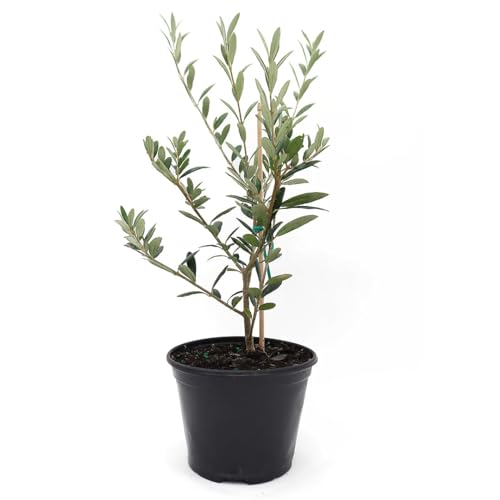
TIMELESS ELEGANCE: The Olive Tree is a symbol of timeless elegance and grace. With its slender, silvery leaves and twisting branches, this tree adds a touch of Mediterranean charm to any home. Embrace the beauty of ancient civilizations as you bring the allure of olive groves to your own garden or home.
Olive Tree Site Preparation Guidelines
Successfully planting olive trees in an urban environment like Indianapolis requires careful site preparation. This section outlines essential guidelines to ensure optimal growth conditions, addressing factors such as soil quality, sunlight exposure, and drainage. Proper preparation not only enhances the health of the trees but also contributes to their long-term success in a city landscape.
Site preparation is a critical step for successful olive tree growth. Olive trees prefer well-drained soil and full sun exposure. Follow these steps for optimal planting conditions:
Choose a location with at least 6-8 hours of sunlight daily.
Test soil drainage to ensure it is not overly saturated.
Amend the soil with organic matter to improve drainage and nutrient content.
Poor drainage can lead to root rot and tree failure.
Effective Watering Practices for Olive Trees
Successfully cultivating olive trees in Indianapolis requires understanding their unique watering needs. Proper hydration is crucial for their growth and fruit production, especially in an urban environment where conditions can vary. This section explores effective watering practices that can help ensure your olive trees thrive in the city’s climate.
Watering is vital for young olive trees, especially during their establishment phase. However, overwatering can be detrimental. Here are effective watering practices:
Initial watering: Water deeply when planting to encourage root establishment.
Frequency: Water every 1-2 weeks during dry spells.
Mulching: Apply a layer of mulch to retain moisture and regulate soil temperature.
Fertilization Strategies for Olive Trees
Fertilizing olive trees in Indianapolis requires a tailored approach to ensure healthy growth in an urban environment. Understanding the specific nutrient needs and timing for fertilization can significantly enhance the trees’ resilience and productivity. This section explores effective fertilization strategies that cater to the unique conditions faced by olive trees in the city.
Fertilization supports healthy growth and fruit production in olive trees. Use a balanced fertilizer designed for fruit trees. Follow these guidelines:
Timing: Fertilize in early spring before new growth begins.
Type: Choose a fertilizer with a balanced N-P-K ratio.
Application: Follow label instructions for the correct amount based on tree age and size.
| Fertilizer Type | N-P-K Ratio | Application Rate |
|---|---|---|
| Organic | 10-10-10 | 1 lb per tree |
| Synthetic | 5-10-5 | 0.5 lb per tree |
Pest Management for Urban Olive Trees
Managing pests is crucial for the health of olive trees in urban environments like Indianapolis. Given the unique challenges posed by city living, effective pest management strategies can help ensure these trees thrive. Understanding common pests and their impact will empower urban gardeners to take proactive measures for successful olive cultivation.
Urban environments can expose olive trees to various pests. Regular monitoring and preventive measures are essential. Common pests include:
Olive fruit fly: Can damage fruit and reduce yield.
Scale insects: Affect tree health by sucking sap.
Implement these pest management strategies:
Regular inspections: Check for signs of infestation.
Natural predators: Introduce beneficial insects like ladybugs.
Insecticidal soap: Use as a treatment for severe infestations.
Winter Protection Strategies for Olive Trees
As winter approaches in Indianapolis, it’s essential to implement effective protection strategies for olive trees to ensure their survival and health. These trees, while resilient, require specific care during colder months to thrive in an urban environment. Understanding the best practices for winterizing olive trees can make a significant difference in their growth and productivity.
Winter care is crucial for olive trees in Indianapolis. While some varieties are cold-hardy, additional protection can enhance survival rates. Consider these practices:
Wrap trunks: Use burlap or tree wrap to protect from frost.
Mulch: Apply a thick layer of mulch around the base to insulate roots.
Container planting: For smaller varieties, consider planting in containers for easy relocation indoors during extreme cold.
Failure to protect olive trees in winter can lead to severe damage or death.
Urban Olive Tree Growth Strategies
Urban planting of olive trees in Indianapolis is achievable with the right selection and care. Focus on choosing hardy varieties, preparing the site, and implementing effective watering and fertilization strategies. Regular monitoring for pests and providing winter protection will further enhance the success of your olive trees in an urban setting.
