

Growing tamarind trees in pots in Indianapolis requires careful attention to climate and care. These tropical trees can thrive in containers if you provide the right environment and maintenance. With the correct approach, you can enjoy the unique flavor of tamarind even in a cooler climate.
Tamarind Tree Project Supply Checklist
Before embarking on your tamarind tree project in Indianapolis, it’s essential to gather all necessary supplies to ensure a successful planting and growth experience. This checklist will help you identify everything you need, from soil and pots to fertilizers and tools, making the process straightforward and manageable. Being well-prepared sets the foundation for healthy tamarind trees in your home.
Before starting your tamarind tree project, you need to gather essential supplies. Having the right tools and materials will streamline the process and ensure your tree’s health. Here’s a checklist of what you will need:
| Supply Item | Purpose |
|---|---|
| Pot | Holds the soil and plant roots |
| Potting Mix | Provides nutrients and drainage |
| Fertilizer | Supports growth and health |
| Watering Can | Ensures proper watering |
| Pruning Shears | Maintains shape and removes dead leaves |
Recommended Products
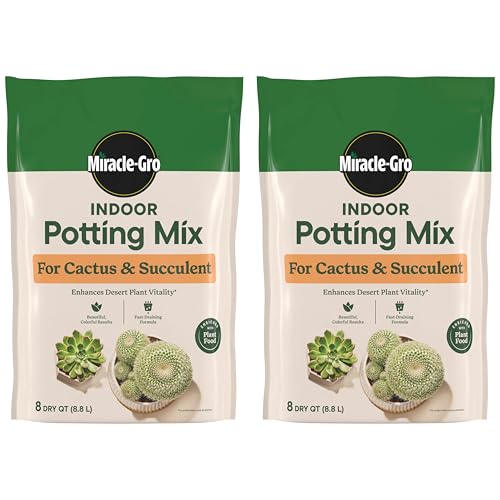
Miracle-Gro Indoor Potting Mix for Cactus and Succulent is enriched with Miracle-Gro Plant Food and enhances desert plant vitality (vs unfed plants when used as directed)

NUTRIENT-RICH, NATURAL, AND ORGANIC SOIL: Grow a bountiful garden in your home with the Back to the Roots All-Purpose Natural and Organic Peat-Free 3-in-1 Seed Starting Mix, packed with the nutrients needed for your plants, flowers, and vegetables to thrive

INDOOR GROWING: Growing indoors is easy under the right conditions; Miracle-Gro Houseplant Potting Mix is an indoor plant potting soil that combines key elements container plants need to thrive
Optimal Potting Area for Tamarind Trees
Creating the right environment for tamarind trees in pots is essential, especially in a climate like Indianapolis. This section will guide you through selecting the optimal potting area, ensuring your trees thrive despite local weather conditions. Understanding the specific needs of tamarind trees will set the foundation for successful growth and fruit production.
Setting up your potting area is crucial for successful growth. Choose a location with ample sunlight, ideally at least six hours a day.
Ensure the area is sheltered from strong winds and extreme temperatures. Follow these steps for preparation:
Select a Container: Choose a large pot with drainage holes. A 10-15 gallon pot is ideal for young tamarind trees.
Fill with Potting Mix: Use a well-draining potting mix enriched with organic matter. This will provide essential nutrients.
Water the Soil: Moisten the soil before planting. This helps the roots establish quickly.
Effective Planting of Tamarind Seeds in Pots
Planting tamarind seeds in pots can be a rewarding endeavor, especially for those in Indianapolis looking to cultivate this unique tree. This section provides a detailed, step-by-step approach to ensure successful germination and growth, allowing you to enjoy the benefits of tamarind in your own backyard. Follow these guidelines to maximize your planting efforts and nurture your tamarind trees effectively.
Once your pot is prepared, you can plant your tamarind seeds or seedlings. Timing is essential for successful growth. Follow these steps for planting:
Choose Seeds or Seedlings: Purchase high-quality tamarind seeds or young plants from a reputable nursery.
Plant Seeds: If using seeds, plant them about one inch deep in the soil. Space them at least six inches apart.
Transplant Seedlings: If using seedlings, dig a hole slightly larger than the root ball and place the seedling in the center. Fill in with soil and gently press down.
Watering and Fertilization Guidelines for Tamarind Trees
Proper watering and fertilization are crucial for the health and growth of tamarind trees, especially when grown in pots. In a climate like Indianapolis, understanding the specific needs of these trees will help ensure they thrive. This section outlines essential guidelines to maintain optimal moisture levels and nutrient supply for your tamarind trees.
Proper watering and fertilization are vital for your tamarind tree’s growth. Monitor the moisture levels and nutrient needs closely. Follow these guidelines:
Watering: Water deeply once a week, allowing the top inch of soil to dry out between waterings. Adjust frequency based on weather conditions.
Fertilizing: Use a balanced fertilizer every 4-6 weeks during the growing season. Follow package instructions for application rates.
Tamarind Tree Growth Monitoring and Pruning
Monitoring the growth of tamarind trees in pots is essential for ensuring their health and productivity, especially in a climate like Indianapolis. Regular pruning not only shapes the tree but also encourages robust growth and fruit production. This section will provide practical steps to effectively monitor and prune your tamarind tree for optimal results.
Regular monitoring of your tamarind tree’s growth will help you address any issues early. Pruning is essential for maintaining shape and health. Here’s how to proceed:
Check for Pests: Inspect leaves and stems for signs of pests. Treat infestations promptly with appropriate insecticides.
Prune Wisely: Use pruning shears to remove dead or damaged branches. This encourages healthy growth and improves air circulation.
Tamarind Care in Indianapolis Climate
Caring for tamarind trees in the unique climate of Indianapolis requires specific attention to their needs. This section outlines essential practices for nurturing these tropical plants, ensuring they thrive despite the challenges posed by the local weather conditions. By following these guidelines, you can successfully cultivate tamarind trees in your home garden.
Indianapolis has a temperate climate, which can be challenging for tropical plants like tamarind. Understanding these conditions will help you adapt your care. Key considerations include:
Frost Protection: Protect your tamarind tree from frost by bringing it indoors during cold months. A temperature above 50°F is ideal.
Sunlight Needs: Ensure your tree receives full sunlight during the growing season. Consider relocating the pot if it is not getting enough light.
Tamarind Tree Care Challenges in Containers
Growing tamarind trees in containers can be rewarding, but it also presents unique challenges. In Indianapolis, where climate conditions can vary, understanding these difficulties is essential for successful cultivation. This section will explore common issues faced when caring for tamarind trees in pots and offer practical solutions to help you thrive.
Tamarind trees can face several challenges, especially in a non-native environment. Being aware of these issues will help you maintain tree health. Common problems include:
Leaf Drop: This can occur due to overwatering or underwatering. Adjust your watering schedule accordingly.
Slow Growth: Insufficient sunlight or nutrients can hinder growth. Ensure your tree is in a well-lit area and receiving adequate fertilizer.
Essential Care Practices for Tamarind Trees
Caring for tamarind trees in pots requires a keen understanding of their unique needs, especially in a climate like Indianapolis. This section outlines essential care practices that will help ensure your tamarind tree thrives, from soil selection to watering techniques, enabling you to cultivate a healthy and productive plant in your home.
Maintaining your tamarind tree requires ongoing attention and care. Follow these final tips for optimal health:
Rotate the Pot: Rotate the pot periodically to ensure even growth.
Mulch: Add a layer of mulch to retain moisture and suppress weeds.
Monitor your tamarind tree closely for any signs of distress. Early intervention can save your plant from serious issues.
