

Apple trees thrive in Lincoln, NE, with proper care and attention to local climate conditions. Understanding the best practices for planting, maintaining, and harvesting these trees can lead to a fruitful yield.
Best Apple Tree Varieties for Lincoln’s Climate
Choosing the right apple tree variety is crucial for successful cultivation in Lincoln’s unique climate. The Great Plains present specific challenges and opportunities that influence which apple trees thrive. Understanding these varieties will help local gardeners maximize their harvest and enjoy the best flavors that Lincoln has to offer.
Choosing the right apple tree varieties is crucial for successful growth in Lincoln’s climate. Varieties that are well-suited to the Great Plains include:
Honeycrisp: Known for its crisp texture and sweet flavor.
Granny Smith: Tart and versatile, ideal for baking.
Fuji: Sweet and juicy, great for fresh eating.
These varieties are resilient to local pests and diseases, making them ideal for home orchards. When selecting, consider factors such as pollination needs and harvest times.
Recommended Products
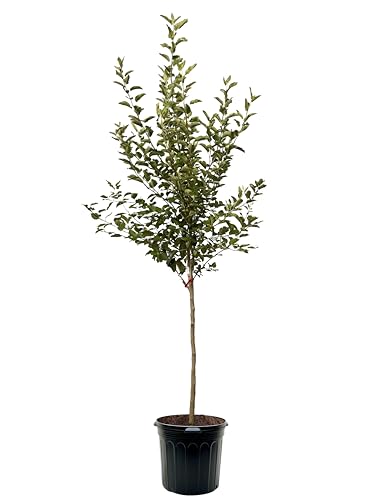
Live Fruit-Bearing Apple Tree – Grow your own crisp, tart Granny Smith apples right at home. This self-pollinating, high-yield apple tree produces firm, green apples perfect for fresh eating, baking, and cider-making

Live Fruit-Bearing Apple Tree – Grow your own Liberty apples, a disease-resistant variety known for its crisp texture, sweet-tart flavor, and deep red skin, perfect for fresh eating, baking, and cider-making

Live Fruit-Bearing Apple Tree – Produces extra-large, red-blushed apples with a mildly sweet, tart flavor and tender flesh, perfect for baking, applesauce, and cider-making
Optimal Conditions for Apple Tree Growth
Understanding the optimal conditions for apple tree growth is crucial for successful cultivation in Lincoln, NE. The unique climate and soil characteristics of the Great Plains play a significant role in determining how well these trees thrive. By exploring these factors, growers can enhance their harvest and ensure a bountiful yield each season.
Proper planting conditions significantly influence apple tree health and productivity. Key factors to consider include:
Soil Type: Well-drained, loamy soil is optimal.
Sunlight: Full sun exposure for at least six hours daily.
Spacing: Adequate space between trees to allow for air circulation.
A soil pH between 6.0 and 7.0 is ideal for apple trees. Conducting a soil test can help determine necessary amendments.
| Factor | Ideal Condition |
|---|---|
| Soil Type | Well-drained loamy |
| Sunlight | 6+ hours daily |
| Soil pH | 6.0 – 7.0 |
Seasonal Apple Tree Care Techniques
Caring for apple trees in Lincoln, NE requires an understanding of the unique seasonal challenges posed by the Great Plains climate. From spring pruning to fall harvesting, each season presents specific tasks that can enhance tree health and fruit quality. This section outlines effective techniques tailored to the local environment, ensuring a fruitful apple harvest year after year.
Year-round care is essential for maintaining healthy apple trees. Each season presents unique challenges and tasks:
Spring: Prune trees to remove dead or diseased branches. Apply a balanced fertilizer to promote growth.
Summer: Monitor for pests and diseases. Water regularly, especially during dry spells.
Fall: Harvest apples when they reach full color. Prepare trees for winter by mulching around the base.
Regular maintenance ensures robust growth and a bountiful harvest.
Recommended Products

Control diseases and insects in your garden with Captain Jack’s Fruit Tree Spray Concentrate! Use on a variety of listed fruits, nuts and citrus plants.

KILLS LISTED FRUIT & CITRUS TREE INSECTS: Controls Asian Citrus Psyllid, Whiteflies, Aphids Thrips, Citrus Leafminers, Leafhoppers, Blackfly, Mealybugs, Scales, Avocado Lacebugs, Oriental Beetles, Flea Beetles, Sharpshooters, and Spittlebugs

Control diseases and insects in your garden with Captain Jack’s Fruit Tree Spray Concentrate! Use on a variety of listed fruits, nuts and citrus plants.
Effective Pest and Disease Control for Apple Trees
Managing pests and diseases is crucial for the health and productivity of apple trees in Lincoln, NE. The unique climate and environmental conditions of the Great Plains present specific challenges that require targeted strategies. Understanding these effective control methods will help ensure a bountiful harvest while maintaining the vitality of your apple trees.
Pest and disease management is vital for apple tree health. Common issues in Lincoln include:
Apple Scab: A fungal disease that affects leaves and fruit.
Codling Moth: A pest that burrows into apples.
Implementing integrated pest management strategies can minimize damage. Consider using organic pesticides and introducing beneficial insects to control pest populations.
Maximizing Apple Harvest Quality and Quantity
In Lincoln, NE, the unique climate and soil conditions of the Great Plains present both challenges and opportunities for apple growers. Understanding the best practices for maximizing apple harvest quality and quantity is essential for cultivating thriving orchards. This section delves into effective techniques and strategies that can enhance both the yield and the flavor of apples in this region.
Proper harvesting techniques can enhance the quality and quantity of your apple yield. Follow these steps:
Timing: Harvest apples when they have reached full color and are firm to the touch.
Method: Gently twist the apple while lifting to avoid damaging the tree.
Storage: Store apples in a cool, dark place to prolong freshness.
Using the right techniques ensures that apples remain intact and flavorful.
Climate Factors Affecting Apple Growth
Understanding the climate factors that influence apple growth is essential for successful cultivation in Lincoln, NE. The unique weather patterns of the Great Plains play a significant role in determining the health and yield of apple trees, making it crucial for local growers to adapt their practices accordingly. This section delves into the specific climatic elements that impact apple production in the region.
Lincoln’s climate can affect apple tree growth and productivity. Key climate factors include:
Temperature Fluctuations: Sudden drops can damage blossoms.
Precipitation Levels: Adequate rainfall is crucial for growth but can lead to root rot if excessive.
Monitoring local weather patterns helps in making informed decisions about care and maintenance.
| Climate Factor | Impact on Growth |
|---|---|
| Temperature Fluctuations | Blossom damage |
| Precipitation Levels | Growth vs. root rot |
Winter Care Strategies for Lincoln Apple Trees
As winter approaches in Lincoln, NE, apple tree care becomes crucial for ensuring a healthy harvest in the spring. Understanding the specific challenges posed by the Great Plains climate can help gardeners implement effective strategies to protect their trees during the cold months. This section explores practical winter care techniques tailored for local apple tree cultivation.
Winter protection is essential for apple trees in Lincoln. Follow these steps to ensure trees survive the cold months:
Mulching: Apply a thick layer of mulch around the base to insulate roots.
Wrapping: Use tree wrap to protect the trunk from frost damage.
Watering: Water trees before the ground freezes to ensure adequate moisture.
These practices help mitigate winter stress and promote early spring growth.
Recommended Products

Comprehensive Protection : Weed removal, hedge trimmers and animals can cause irreversible damage to young trees.Our plastic tree trunk protectors provide complete defense, effectively isolating saplings from potential harm caused by deer, rabbits,cats, squirrels, rodents, and lawn mowers

Janitorial & Cleaning Supplies

【Convenient and Practical】: Tree trunk protector wrap can protect trees from scorching, animals, insects, trimmer damage and effectively keep trees warm, moisturize and prevent freezing in cold winter
