

Guava trees thrive in New Orleans due to the region’s warm climate and high humidity levels. Proper care and understanding of local conditions are essential for successful cultivation and fruit production.
Guava Tree Varieties and Characteristics
Exploring the diverse varieties of guava trees reveals their unique characteristics and adaptability to the humid climate of New Orleans. Each type offers distinct flavors, growth habits, and resilience, making them suitable for both home gardens and commercial cultivation. Understanding these differences can help gardeners select the best variety for their specific needs and conditions.
Guava trees come in several varieties, each with unique characteristics. The most common types include the Tropical Pink, Pineapple, and White guava. Each variety has specific growth requirements and fruiting habits.
Tropical Pink: Produces sweet, pink-fleshed fruit.
Pineapple: Known for its aromatic flavor and yellow skin.
White: Offers a milder taste with creamy white flesh.
Choosing the right variety is crucial for successful cultivation in New Orleans.
Recommended Products

Fragrant Flowers: Bloom blossoms that provide precious nectar for pollinators like bees, creating your own romantic orchard with heavy fruit and rich flavor

High Nutritional Value: Guava fruit is packed with vitamins, particularly vitamin C, antioxidants, fiber, and essential minerals, making it a nutritious addition to any diet.

Suitable for tropical and warm climates
Optimal Climate for Guava Trees
Guava trees thrive in specific climatic conditions that are particularly suited to the unique environment of New Orleans. Understanding the optimal climate for these tropical plants is crucial for successful cultivation, as factors like temperature, humidity, and rainfall play significant roles in their growth and fruit production.
Guava trees prefer warm temperatures and well-drained soil. Understanding the local climate is vital for their growth. The average temperature in New Orleans can support guava tree growth, but humidity plays a significant role in fruit quality.
Soil Requirements: Well-draining sandy loam is ideal.
Sunlight Needs: Full sun exposure for at least six hours daily.
Watering Schedule: Regular watering during dry spells is essential.
Monitoring these conditions helps ensure robust growth and fruitful yields.
Guava Tree Fertilization and Soil Health
Fertilization and soil health are crucial for the successful growth of guava trees in New Orleans, where the unique delta humidity influences their development. Understanding the specific nutrient needs and soil conditions can significantly enhance fruit yield and tree vitality, ensuring a thriving garden in this humid climate. Proper care and attention to these factors will lead to healthier trees and a more bountiful harvest.
Proper fertilization is critical for guava trees to thrive. Nutrient-rich soil supports healthy growth and fruit production. Regular soil testing can guide fertilizer application.
N-P-K Ratio: Use a balanced fertilizer with equal parts nitrogen, phosphorus, and potassium.
Application Frequency: Fertilize every 6-8 weeks during the growing season.
Organic Options: Consider compost or well-rotted manure for natural nutrient sources.
Following these guidelines promotes strong root systems and vibrant foliage.
Seasonal Strategies for Guava Tree Health
Maintaining the health of guava trees in New Orleans requires a keen understanding of seasonal changes and local climate conditions. This section explores effective strategies tailored to the unique humidity levels and temperature fluctuations of the Delta region, ensuring that your guava trees thrive throughout the year. Discover practical tips for nurturing these tropical plants in a subtropical environment.
Seasonal care is essential for maintaining healthy guava trees. Each season presents unique challenges and opportunities for growth.
Spring: Prune to encourage new growth and remove dead branches.
Summer: Monitor for pests and diseases, applying organic pesticides as needed.
Fall: Prepare for cooler temperatures by mulching around the base.
Understanding seasonal changes helps in proactive management of guava trees.
Recommended Products

Control diseases and insects in your garden with Captain Jack’s Fruit Tree Spray Concentrate! Use on a variety of listed fruits, nuts and citrus plants.

3-IN-1 GARDEN SPRAY - Earth’s Ally 3-in-1 Plant Spray is an insecticide, miticide and fungicide. The houseplant pest spray effectively kills and controls soft-bodied insects and common plant diseases with a synergistic blend of essential oils.

Supports Flowering & Fruit Production – Helps encourage strong flowering, fruit set, and consistent guava development.
Pest and Disease Management for Guava Trees
Managing pests and diseases is crucial for the health of guava trees in New Orleans, where the unique delta humidity can create an ideal environment for various threats. Understanding these challenges and implementing effective strategies will help ensure robust growth and fruitful harvests. This section explores common issues and practical solutions tailored for local conditions.
Guava trees can face various pests and diseases that threaten their health. Identifying these issues early is crucial for effective management.
Common Pests: Aphids, whiteflies, and fruit flies can damage leaves and fruit.
Diseases: Fungal infections like powdery mildew can affect plant vigor.
Implementing integrated pest management strategies helps protect trees from these threats.
| Pest/Disease | Symptoms | Treatment |
|---|---|---|
| Aphids | Curling leaves | Insecticidal soap |
| Powdery Mildew | White powdery spots | Neem oil spray |
| Fruit Flies | Holes in fruit | Traps and insecticides |
Optimal Guava Harvesting and Storage Techniques
Harvesting guavas at the right time and storing them properly are crucial steps for maximizing their flavor and shelf life. In New Orleans’ unique delta humidity, understanding these techniques can significantly enhance the quality of your guava yield. This section explores the best practices for harvesting and storing guavas to ensure they remain fresh and delicious.
Harvesting guava fruit at the right time is essential for optimal flavor. Knowing when to pick and how to store the fruit ensures quality.
Ripeness Indicators: Look for a slight softness and a fragrant aroma.
Harvesting Technique: Use scissors to avoid damaging the tree.
Storage Tips: Store in a cool, dry place to extend shelf life.
Proper harvesting techniques maximize the enjoyment of homegrown guava.
Recommended Products

【All-in-One Magnetic Holder for Scissors & Tools】 Stop digging through cluttered drawers! Our heavy duty magnetic scissor holder transforms any metal surface into smart storage. The spacious compartment is generously sized to securely It securely holds large kitchen shears, crafting scissors or large sewing scissors, and even features built-in hooks for lightweight utensils, keys, or tools.Perfect as a fridge organizer or workshop tool holder to keep everything within reach.
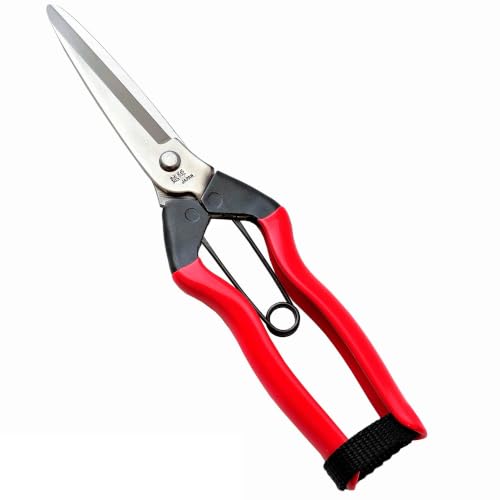
[JAPANESE HARVEST SCISSORS] Perfect gardening scissors for harvesting fruits and vegetables, trimming garlic and onion stems, and cutting roots. The rounded tips prevent accidental damage to fruits, allowing you to harvest cleanly without bruising or cutting the skin.

Packing Includes: you will get 2 pieces of scissor holders, each with bristles, enough for you to store your various hairdressing tools and accessories, making your desktop clean and managed, saving you time looking for the tools you need
New Orleans Guava Cultivation Resources
New Orleans offers a unique environment for cultivating guava trees, thanks to its warm climate and rich delta humidity. This section provides essential resources for local gardeners, including best practices for planting, care, and harvesting guavas in the region. Discover how to successfully grow this tropical fruit in the heart of Louisiana.
Utilizing local resources can enhance guava cultivation in New Orleans. Community gardens and agricultural extensions offer valuable information.
Local Nurseries: Source healthy guava trees and expert advice.
Workshops: Attend local gardening workshops for hands-on learning.
Online Forums: Engage with local gardening communities for tips and support.
Connecting with local resources fosters a supportive environment for successful guava cultivation.
