

Growing apple trees in Boston, MA can be successful with the right techniques. Focus on selecting suitable varieties and implementing effective care strategies to ensure healthy growth and fruitful harvests.
Best Apple Varieties for Boston’s Climate
Choosing the right apple tree varieties is essential for successful cultivation in Boston’s coastal climate. The region experiences a mix of warm summers and cold winters, making it important to select varieties that thrive in these conditions. Look for disease-resistant options that can handle humidity and occasional frost.
Recommended varieties include:
Honeycrisp: Known for its crisp texture and sweet flavor.
McIntosh: A classic choice with a tart taste, ideal for fresh eating and cooking.
Liberty: Disease-resistant and flavorful, perfect for organic gardening.
Cortland: Great for pies and fresh eating, with a longer shelf life.
| Variety | Flavor Profile | Disease Resistance | Best Use |
|---|---|---|---|
| Honeycrisp | Sweet | Moderate | Fresh eating |
| McIntosh | Tart | Low | Cooking |
| Liberty | Sweet | High | Organic gardening |
| Cortland | Sweet-tart | Moderate | Pies |
Soil Preparation for Apple Trees in Boston
Preparing the soil is a crucial step for successfully growing apple trees in Boston’s unique coastal New England environment. The right soil conditions not only enhance growth but also improve fruit quality. Understanding local soil types and their characteristics will help you create an optimal foundation for your apple trees.
Proper soil preparation is crucial for apple tree success. Boston’s soil can vary, so testing for pH and nutrient levels is advisable. Aim for a pH between 6.0 and 7.0 for optimal growth.
Steps to prepare the soil:
Test soil using a home kit or local extension service.
Amend soil with compost or well-rotted manure to improve fertility.
Ensure drainage by mixing in sand or perlite if the soil is heavy.
Effective Soil Amendment Strategies for Apple Trees
In Boston’s coastal climate, soil quality plays a crucial role in the success of apple trees. Implementing effective soil amendment strategies can significantly enhance tree health and fruit production. This section explores practical techniques to improve soil conditions, ensuring your apple trees thrive in New England’s unique environment.
When amending soil, consider the following techniques:
Composting: Incorporate organic matter to enhance soil structure.
Mulching: Apply a layer of mulch to retain moisture and suppress weeds.
Cover cropping: Plant cover crops in the off-season to improve soil health.
Irrigation and Nutrient Management for Apple Trees
Irrigation and nutrient management are crucial for cultivating healthy apple trees in Boston’s coastal New England climate. Understanding the specific water and nutrient needs of apple trees can significantly impact their growth and fruit production. This section explores effective strategies and best practices to ensure your apple trees thrive in this unique environment.
Watering and fertilization are key to maintaining healthy apple trees. Boston’s climate can lead to dry spells, so consistent watering is necessary, especially during the growing season.
Effective watering techniques include:
Drip irrigation: Provides consistent moisture directly to the roots.
Soaker hoses: Deliver water slowly to minimize evaporation.
Fertilization should follow a schedule:
Early spring: Apply a balanced fertilizer as new growth begins.
Mid-summer: A second application can support fruit development.
Recommended Products

1/2" Water-Saving & Durable Construction with Upgraded Formula: Our enhanced soaker hose blend delivers ultra-consistent water seepage while maximizing water savings, plus improved tensile strength, durability, and flexibility. It’s easy to handle, resistant to kinks, and built to stand up to long-term use in lawns, yards, landscaping, and tree watering applications.

【Even & Consistent Root Watering】Features micro-pore seepage technology that distributes water evenly along the entire hose, transforming spot watering into uniform line watering directly to plant roots. Unlike traditional drip irrigation systems with clog-prone emitters, this soaker hose creates a continuous moisture band for healthier, deeper-rooted plants
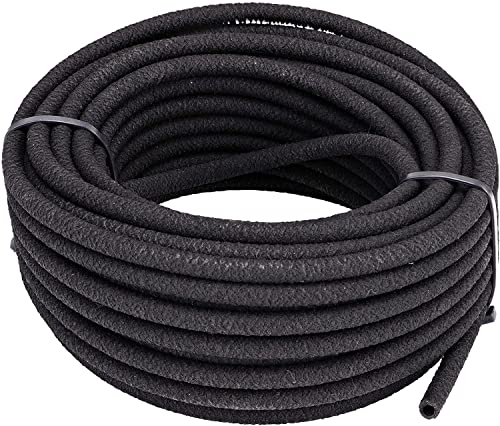
Slowly waters the soil around your plants for complete root zone hydration; Ideal for short runs on flat surfaces, such as vegetable gardens, borders, and around small plants
Fertilizer Choices for Boston Apple Trees
Choosing the right fertilizer is crucial for the health and productivity of apple trees in Boston’s coastal New England climate. Understanding the specific nutrient needs of these trees can enhance growth, improve fruit quality, and ensure a bountiful harvest. This section explores the best fertilizer options tailored for apple trees thriving in this unique environment.
Consider these fertilizer options for optimal growth:
Organic options: Bone meal and fish emulsion provide essential nutrients.
Synthetic fertilizers: Look for a balanced N-P-K ratio, such as 10-10-10.
Apple Tree Pest Control Strategies
Managing pests is crucial for the health and productivity of apple trees, especially in the unique climate of Boston, MA. This section explores effective pest control strategies tailored to the challenges faced by apple growers in coastal New England, ensuring your trees thrive and yield a bountiful harvest. Understanding these methods will help protect your investment and enhance fruit quality.
Pests and diseases can threaten apple tree health. Regular monitoring and proactive management can help mitigate these risks.
Common pests include:
Aphids: Small insects that can weaken trees.
Codling moths: Larvae that bore into apples.
Effective management strategies:
Insecticidal soap: Treats aphid infestations without harming beneficial insects.
Neem oil: Controls a variety of pests and diseases.
Recommended Products

Control diseases and insects in your garden with Captain Jack’s Fruit Tree Spray Concentrate! Use on a variety of listed fruits, nuts and citrus plants.

TRIPLE PROTECTION FORMULA: 3-in-1 solution kills listed insects, controls listed diseases, and controls listed mites with one easy application

KILLS LISTED FRUIT & CITRUS TREE INSECTS: Controls Asian Citrus Psyllid, Whiteflies, Aphids Thrips, Citrus Leafminers, Leafhoppers, Blackfly, Mealybugs, Scales, Avocado Lacebugs, Oriental Beetles, Flea Beetles, Sharpshooters, and Spittlebugs
Apple Disease Management Strategies
Managing apple diseases is crucial for maintaining healthy trees and ensuring a fruitful harvest in Boston’s coastal climate. This section outlines effective strategies tailored for local conditions, emphasizing prevention, early detection, and treatment methods to combat common apple diseases. Implementing these practices will help growers enhance the resilience of their apple trees and improve overall yield.
Preventing diseases is crucial for a successful apple harvest. Implement these methods:
Pruning: Remove dead or diseased branches to improve air circulation.
Fungicide application: Use fungicides during wet weather to prevent fungal infections.
Boston Apple Harvest Timing Strategies
Understanding the optimal timing for apple harvesting in Boston is crucial for maximizing yield and quality. Factors such as local climate, tree variety, and seasonal changes play a significant role in determining when to pick. This section explores effective strategies to ensure a successful apple harvest in the unique conditions of coastal New England.
Harvesting at the right time ensures the best flavor and quality. In Boston, apples typically ripen from late summer to early fall.
Key signs of ripeness include:
Color change: Apples should have a rich, vibrant color.
Ease of picking: Fruits should come off the tree with a gentle twist.
Post-Harvest Apple Tree Maintenance
After the harvest, proper maintenance of apple trees is crucial for ensuring their health and productivity in Boston’s coastal climate. This section outlines essential post-harvest practices that help trees recover and prepare for the next growing season, addressing specific needs unique to the region. By following these guidelines, you can promote robust growth and fruiting in your apple trees.
After harvesting, proper care is essential to maintain quality:
Store apples in a cool, dark place to prolong freshness.
Inspect regularly for signs of spoilage or pests.
Avoid storing apples with other fruits to prevent ethylene gas exposure, which can accelerate ripening.
Apple Tree Care Strategies for Boston
Growing apple trees in Boston requires attention to variety selection, soil preparation, and ongoing care. Implementing effective watering, fertilization, and pest management strategies will lead to a fruitful harvest. Regular monitoring and timely harvesting will ensure the best quality apples.
Recommended Products

Let our professionally formulated plant food help your fruit tree grow healthy, strong AND abundantly producing

2X MORE VALUE: The 16 oz Apple Fertilizer for fruit trees makes 16 gallons of apple tree spray, while the bigger size 32 oz bottle makes 32 gallons for your apple trees live plants.

NATURAL & ORGANIC FORMULA: Ditch the harsh synthetic chemicals! Our 10 oz liquid apple tree fertilizer is entirely produced through a cutting-edge fermentation process. It contains absolutely zero chemical additives, providing a safe, eco-friendly, and highly effective organic plant food for your home orchard or garden.
