

Growing guava trees in Philadelphia requires careful consideration of local soil conditions and climate. To thrive, these trees need well-draining, nutrient-rich soil and protection from harsh winter temperatures. With the right preparation and care, you can successfully cultivate guava trees in this region.
Optimal Soil Types for Guava Trees
Guava trees prefer sandy loam or loamy soil that drains well. Heavy clay soils can lead to root rot, which is detrimental to tree health. Testing your soil’s pH is essential; guavas thrive in slightly acidic to neutral pH levels, ideally between 6.0 and 7.0.
Recommended Products

Kindly NOTE: This soil tester can not be applied to test pH value of any other liquid. If the soil is too dry the indicator will not move, and water it before testing.

Accurate Soil pH Testing: Dewildetradingco Soil pH Test Strips offer measurements of soil pH levels (pH 3.5-9). As an essential tool for every gardener and grower, these test strips help determine the optimal pH for various plants, such as outdoor plants, indoor plants, gardens, grass lawns, fruit trees, flowers, vegetables, and forest shrubs.

✅ 1Dial & 1 LCD Screen - Replace/install all 3 batteries each time. Put button to %RH/°F to - Turn On, and put to LIGHT to - Turn Off. Read the LCD results in 3-5 mins. (Not Water Moisture Meter, so, please don't test liquid)
Soil Testing for Guava Tree Success
Understanding the soil composition is crucial for successfully growing guava trees in Philadelphia. Proper soil testing can reveal essential nutrients and pH levels, helping gardeners create the optimal conditions for these tropical plants to thrive in a city environment. This section will guide you through the testing process and its significance for healthy guava tree cultivation.
Before planting, conduct a soil test to determine nutrient levels and pH. You can use a home testing kit or send samples to a local extension service. Based on results, you may need to amend your soil with:
Compost to improve nutrient content
Perlite or sand to enhance drainage
Sulfur to lower pH if necessary
| Amendment | Purpose | Application Rate |
|---|---|---|
| Compost | Nutrient enrichment | 2-3 inches mixed into soil |
| Perlite | Improved drainage | 20% of total soil volume |
| Sulfur | Lowering pH | 1 pound per 100 square feet |
Best Guava Varieties for Cooler Climates
When growing guava trees in cooler climates like Philadelphia, selecting the right variety is crucial for success. Certain guava types are better suited to withstand lower temperatures while still producing delicious fruit. This section explores the best guava varieties that thrive in these conditions, ensuring a fruitful harvest even in less-than-ideal weather.
Choosing the right variety is crucial for success. Some varieties are more suited to cooler climates than others. Look for:
Tropical Guava: Best for warmer areas, may struggle in winter.
Pineapple Guava: Tolerates cooler temperatures better.
Strawberry Guava: Hardy and adaptable to various conditions.
Choosing the Right Guava Variety for Philadelphia
Selecting the appropriate guava variety is crucial for successful cultivation in Philadelphia’s unique climate and soil conditions. Understanding the specific needs and characteristics of different guava types will help ensure optimal growth and fruit production. This section will guide you through the best options for thriving guava trees in the city.
When selecting a guava variety, consider:
Local climate: Ensure the variety can withstand Philadelphia winters.
Fruit size and flavor: Different varieties produce varying fruit characteristics.
Growth habit: Some guavas are bushy while others grow tall.
Guava Tree Planting Best Practices
Successfully planting guava trees in Philadelphia requires an understanding of local soil conditions and climate. This section outlines the best practices for planting these tropical trees, ensuring they thrive in the unique environment of the city. By following these guidelines, gardeners can enjoy the lush fruit and beauty that guava trees bring to their landscapes.
Planting guava trees correctly sets the foundation for healthy growth. Follow these steps for optimal results:
Choose a sunny location: Guavas need full sun for at least six hours daily.
Dig a hole: Make it twice as wide and as deep as the root ball.
Loosen soil: Break up compacted soil at the bottom of the hole.
Place the tree: Position it so the top of the root ball is level with the soil surface.
Backfill: Fill in with native soil and water thoroughly.
Recommended Products

Fragrant Flowers: Bloom blossoms that provide precious nectar for pollinators like bees, creating your own romantic orchard with heavy fruit and rich flavor

Product Quantity: 100+ Premium Pink Guava Seeds Per Packet; Carefully Selected for High Viability; Perfect for Starting Multiple Tropical Fruit Trees
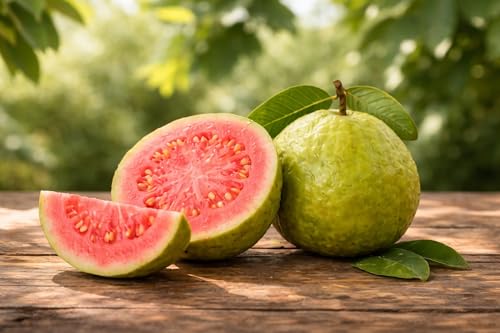
1. Grow Your Own Tropical Guava Tree Enjoy planting your own tropical fruit tree with these guava seeds for planting. Suitable for home gardens, patios, containers, raised beds, and greenhouse growing.
New Guava Tree Aftercare Essentials
After planting a guava tree in Philadelphia, proper aftercare is crucial for its growth and fruit production. This section outlines essential practices to ensure your guava tree thrives in the city’s unique climate and soil conditions. From watering techniques to pest management, these guidelines will help you nurture your tree effectively.
After planting, monitor your guava tree closely. Key aftercare steps include:
Watering: Keep soil moist but not soggy.
Mulching: Apply a layer of mulch to retain moisture and suppress weeds.
Fertilizing: Use a balanced fertilizer every few months to support growth.
Guava Tree Winter Protection Techniques
As winter approaches in Philadelphia, protecting guava trees becomes crucial for their survival and health. The cold climate can pose significant challenges, but with the right techniques, you can ensure these tropical trees thrive despite the harsh conditions. This section outlines effective strategies to safeguard your guava trees during the winter months.
Philadelphia winters can be harsh, making winter protection crucial. Implement these strategies to safeguard your guava trees:
Wrap trunks: Use burlap or tree wrap to protect against frost.
Mulch heavily: Apply a thick layer around the base to insulate roots.
Container planting: Consider growing guavas in containers for easier relocation indoors during winter.
Recommended Products

WEATHER PROTECTION: Help new trees overcome harsh weather conditions and grow strong. Dalen Tree Wrap protects against sun-scalding, heat waves, frost cracks, and dry winter winds that can stunt growth and even kill young trees.

Sturdy Material, Porous and Breathable: our tree wrap is made of jute burlap material. It was light weight so it didn't hurt the plants and keeping them warm saved them from freezing, and dries faster than most wraps after it gets wet so the danger of rotting is broken

Multifunctional: The Tree Wrap offers immediate protection for trees. When wrapped around a tree trunk, this protector prevents insects from burrowing under the bark to lay eggs, effectively stopping cicadas and other pests from finding nesting sites. It acts as a tree bandage, aiding in the repair of bark and promoting the tree's recovery. This tree wraps to protect bark also safeguards the tree's epidermis, preventing damage caused by lawn care equipment such as mowers and trimmers.
Winter Stress Indicators for Guava Trees
As winter approaches, guava trees in Philadelphia face unique challenges that can stress their growth and health. Understanding the signs of winter stress is crucial for maintaining these tropical plants in a temperate climate. This section will explore the key indicators to watch for, ensuring your guava trees thrive despite the colder temperatures.
Be vigilant for signs of winter stress, such as:
Brittle branches: Indicate frost damage.
Leaf drop: Can signal cold stress or root issues.
Discoloration: Yellowing leaves may suggest nutrient deficiencies.
Common Guava Tree Challenges and Solutions
Growing guava trees in Philadelphia can be rewarding, but it comes with its share of challenges. From adapting to the local climate to managing pests and diseases, understanding these common issues is crucial for successful cultivation. This section outlines the typical obstacles faced by guava tree growers and offers practical solutions to ensure healthy growth and fruitful harvests.
Guava trees can face various challenges. Here are common issues and their solutions:
| Issue | Symptoms | Solution |
|---|---|---|
| Root rot | Wilting, yellowing leaves | Improve drainage, reduce watering |
| Pest infestations | Holes in leaves | Apply insecticidal soap |
| Nutrient deficiencies | Poor growth, yellow leaves | Fertilize with balanced nutrients |
Guava Tree Monitoring for Optimal Health
Monitoring guava trees is essential for ensuring their optimal health, especially in the unique urban environment of Philadelphia. Regular observation allows for timely interventions against pests and diseases, as well as adjustments to care practices that cater to the specific needs of these tropical trees in a city setting. Understanding the signs of stress and growth patterns will help maintain a thriving guava tree.
Ensure you monitor your guava trees regularly to catch issues early. Neglect can lead to significant problems that may jeopardize your harvest.
