

Growing apple trees in Virginia’s Piedmont and Coastal regions requires careful selection of varieties and attention to local climate conditions. Choosing disease-resistant varieties and implementing proper care techniques will ensure healthy growth and fruitful harvests.
Recommended Apple Varieties for Virginia Regions
Choosing the right apple varieties is crucial for successful cultivation in Virginia. The Piedmont region experiences a mix of warm summers and cold winters, while the Coastal area has milder temperatures. Both regions benefit from varieties that are resistant to common diseases and pests. Here are some recommended apple varieties:
| Variety | Disease Resistance | Harvest Time |
|---|---|---|
| Gala | High | Early Fall |
| Fuji | Moderate | Late Fall |
| Honeycrisp | High | Late Summer |
| Granny Smith | Moderate | Early Fall |
These varieties not only thrive in Virginia’s climate but also offer a range of flavors and uses.
Recommended Products
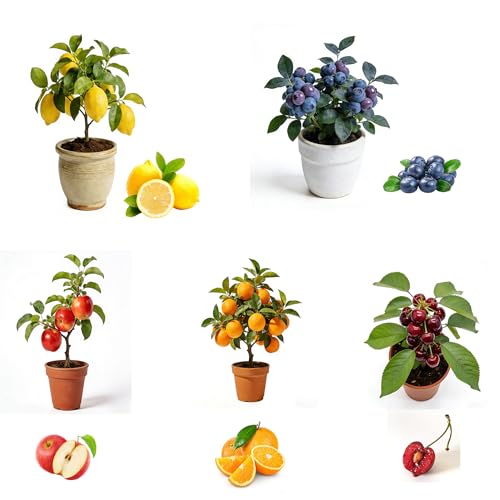
Complete Fruit Garden Collection: This comprehensive seed set provides everything needed to start a diverse container fruit garden.With 160 total seeds, this collection offers exceptional value for gardeners seeking to grow multiple fruit varieties in containers on patios, balconies, or small spaces


Live Fruit-Bearing Apple Tree – Grow your own Gravenstein apples, a classic heirloom variety known for its sweet-tart flavor and crisp texture, perfect for fresh eating, baking, and cider-making
Site Preparation for Apple Trees
Site preparation is essential for the successful growth of apple trees. Choose a location that receives full sunlight for at least six hours daily. Ensure the soil is well-drained and rich in organic matter. Follow these steps for effective site preparation:
Test the soil for pH and nutrient levels.
Amend the soil with compost or well-rotted manure.
Clear the area of weeds and debris.
Dig a hole twice the width of the root ball and the same depth.
Proper site preparation enhances root establishment and overall tree health.
Optimal Watering Methods for Apple Trees
Proper watering is crucial for the health and productivity of apple trees, especially in Virginia’s diverse climates. Understanding the best practices for irrigation can significantly impact tree growth and fruit quality. This section explores effective watering methods tailored to the unique conditions of the Piedmont and Coastal regions.
Watering is vital for apple trees, especially during the first few years after planting. Consistent moisture helps establish strong roots. Here are effective watering techniques:
Water deeply once a week during dry spells.
Mulch around the base to retain soil moisture.
Monitor soil moisture with a moisture meter.
Avoid overwatering, as this can lead to root rot.
Proactive Pest and Disease Management Strategies
Effective pest and disease management is crucial for successful apple tree cultivation in Virginia’s Piedmont and Coastal regions. By understanding common threats and implementing proactive strategies, growers can protect their orchards and ensure healthy fruit production. This section outlines essential practices and techniques to minimize risks and promote robust apple tree health.
Pest and disease management is essential for maintaining healthy apple trees. Regular monitoring and preventive measures can minimize issues. Consider these strategies:
Inspect trees regularly for signs of pests like aphids and codling moths.
Apply organic insecticides as needed.
Prune trees to improve air circulation and reduce disease risk.
A proactive approach will help ensure a bountiful harvest.
Recommended Products

Control diseases and insects in your garden with Captain Jack’s Fruit Tree Spray Concentrate! Use on a variety of listed fruits, nuts and citrus plants.

Control diseases and insects in your garden with Captain Jack’s Fruit Tree Spray Concentrate! Use on a variety of listed fruits, nuts and citrus plants.
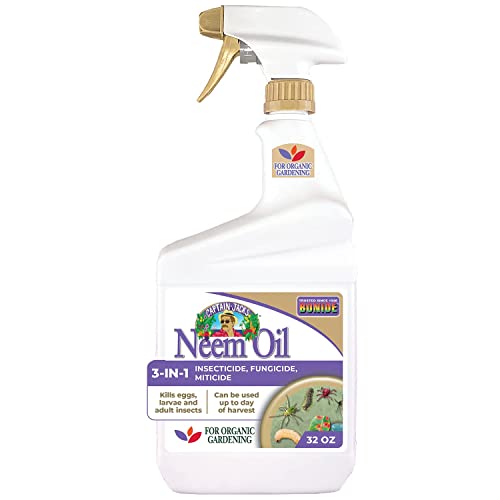
Protect your oasis with 3 garden products in 1 from Captain Jack’s; Bonide Captain Jack’s Ready-to-Use Neem Oil spray for plants is a multi-purpose fungicide, insecticide and miticide for your lawn & garden
Fertilization Strategies for Virginia Apple Trees
Effective fertilization is crucial for the health and productivity of apple trees in Virginia’s diverse climates, particularly in the Piedmont and Coastal regions. Understanding the specific nutrient needs and timing can significantly enhance fruit quality and yield, ensuring that your apple trees thrive throughout the growing season. This section will explore tailored fertilization strategies to support robust growth and fruit development.
Fertilization plays a significant role in the growth and productivity of apple trees. Proper nutrient management supports healthy foliage and fruit development. Follow these guidelines for effective fertilization:
Use a balanced fertilizer with equal parts nitrogen, phosphorus, and potassium.
Apply fertilizer in early spring before new growth begins.
Follow recommended rates based on soil test results.
Regular fertilization will promote vigorous growth and enhance fruit quality.
Pruning Techniques for Apple Tree Health
Pruning is essential for maintaining the health and productivity of apple trees, especially in Virginia’s diverse climates. This section explores effective pruning techniques tailored to the specific needs of apple trees in both the Piedmont and Coastal regions, ensuring optimal growth and fruit quality. Understanding these methods will help gardeners cultivate thriving apple orchards.
Pruning is a critical maintenance task that promotes healthy growth and increases fruit yield. Proper pruning techniques help shape the tree and remove dead or diseased wood. Here are key pruning steps:
Prune in late winter or early spring before new growth.
Remove crossing branches to improve air circulation.
Thin out crowded areas to allow light penetration.
Effective pruning practices lead to stronger trees and better fruit production.
Identifying Apple Tree Stress Indicators
Understanding the signs of stress in apple trees is crucial for successful cultivation, especially in Virginia’s diverse climates. By recognizing these indicators, growers can take timely action to ensure their trees remain healthy and productive. This section will explore the common stress signals to watch for and how to address them effectively.
Environmental stressors can impact apple tree health and productivity. Factors such as extreme temperatures, drought, or heavy rainfall can affect growth. Be vigilant for signs of stress, including:
Wilting leaves indicating water stress.
Discoloration suggesting nutrient deficiencies.
Poor fruit set due to temperature fluctuations.
Addressing these issues promptly will help maintain tree health.
Apple Tree Cultivation Tools and Supplies
Successful apple tree cultivation in Virginia requires the right tools and supplies to ensure healthy growth and abundant fruit production. This section outlines essential equipment and materials that can enhance your gardening efforts, making it easier to care for your apple trees in both the Piedmont and Coastal regions. Understanding these resources will help you cultivate thriving orchards.
Having the right tools and supplies is essential for successful apple tree cultivation. Here’s a checklist of necessary items:
| Item | Purpose |
|---|---|
| Pruning shears | For shaping and maintenance |
| Soil test kit | To assess soil health |
| Mulch | To retain moisture |
| Fertilizer | To promote growth |
| Organic insecticides | To manage pests |
Equipping yourself with these supplies will streamline your apple tree care routine.
Recommended Products

CLEAN CUTS FOR LIVE GROWTH: Bypass blade design is ideal for pruning delicate flower stems and green growth, helping reduce crushing and plant damage while cutting stems and small branches up to 5/8” in diameter

LONG-LASTING SHARPNESS: Japanese SK5 bypass blade with titanium coating is tested through 5,000 cuts to maintain a sharp edge and deliver clean, consistent cuts on live stems and branches

DUAL CUTTING POWER: VERSATILE PRUNING COMBO --- With both Pruning Shears and Pruning Snip, this combo delivers unmatched versatility. Whether you're delicately trimming flowers and shrubs, tackling thicker tree branches, or tending to your vegetable and fruit garden, our combo pack excels in all areas. They're also perfect for landscaping projects and maintaining the health and appearance of indoor plants. With this pack, you have a versatile tool that simplifies your gardening tasks.
