

Apple trees can grow in Montana, but specific conditions must be met for successful cultivation. Selecting cold-hardy varieties and understanding local climate factors are crucial for thriving apple orchards in this region.
Cold-Hardy Apple Varieties for Montana
Montana’s unique climate presents challenges for apple cultivation, but several cold-hardy varieties thrive in the region. These resilient trees are specifically adapted to withstand harsh winters and fluctuating temperatures, making them ideal for local gardeners. Understanding which apple varieties can flourish in Montana is essential for successful cultivation and fruitful harvests.
Choosing the right apple tree variety is essential for success in Montana’s climate. Cold-hardy varieties can withstand harsh winters and short growing seasons. Popular options include:
Honeycrisp: Known for its crisp texture and sweet flavor.
Gravenstein: A versatile apple suitable for fresh eating and cooking.
Haralson: Excellent for pies and cider, with good disease resistance.
Zestar: Early ripening with a sweet-tart flavor.
These varieties are more likely to thrive and produce fruit in Montana’s unique environment.
Recommended Products

Live Fruit-Bearing Apple Tree – Grow your own crisp, tart Granny Smith apples right at home. This self-pollinating, high-yield apple tree produces firm, green apples perfect for fresh eating, baking, and cider-making

🍎 3 Live Apple Tree Saplings: Receive three healthy young apple tree saplings ready to plant and grow in your garden, backyard orchard, or container. Plants ship dormant (not leaves or fruit) in spring.
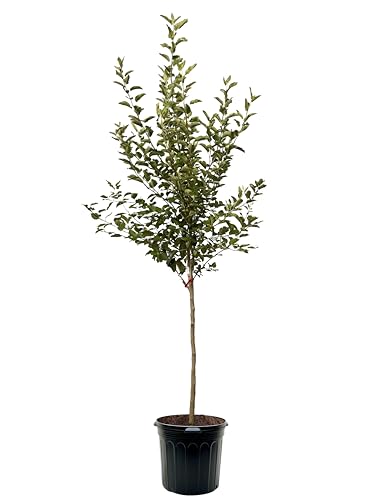
Live Fruit-Bearing Apple Tree – Grow your own crisp, tart Granny Smith apples right at home. This self-pollinating, high-yield apple tree produces firm, green apples perfect for fresh eating, baking, and cider-making
Montana Climate Effects on Apple Trees
Montana’s diverse climate presents unique challenges and opportunities for growing apple trees. Understanding the specific weather patterns, temperature variations, and seasonal changes in the region is crucial for successful cultivation. This section delves into how Montana’s climate impacts apple tree growth and what potential growers need to consider for thriving orchards.
Montana’s climate varies significantly across regions, impacting apple tree growth. Key factors include:
Temperature Extremes: Winters can be brutally cold, while summers may be hot.
Frost Dates: Late spring frosts can damage blossoms. Knowing the average last frost date helps in planning.
Elevation: Higher elevations may shorten the growing season.
Understanding these elements can guide your planting and care strategies.
Apple Varieties for Montana’s Climate
When considering apple cultivation in Montana, it’s essential to choose varieties that can withstand the state’s unique climate challenges. The right selection can lead to successful growth and fruitful harvests, making it possible for gardeners and farmers alike to enjoy the rewards of their labor. This section explores the best apple varieties suited for Montana’s diverse weather conditions.
| Variety | Hardiness Zone | Flavor Profile | Best Use |
|---|---|---|---|
| Honeycrisp | 3-7 | Sweet, Crisp | Fresh eating |
| Gravenstein | 3-7 | Tart, Juicy | Cooking, Cider |
| Haralson | 3-7 | Sweet-Tart | Pies, Fresh eating |
| Zestar | 3-7 | Sweet-Tart | Fresh eating |
This table summarizes essential information about each variety, helping you make informed decisions.
Soil Preparation Techniques for Apple Cultivation
Successfully growing apple trees in Montana requires careful soil preparation to ensure optimal conditions for growth. The unique climate and soil composition of the region necessitate specific techniques to enhance fertility and drainage. Understanding these methods will help you create a thriving environment for your apple trees, setting the foundation for a fruitful harvest.
Soil preparation is vital for healthy apple trees. Follow these steps:
Test Soil pH: Aim for a pH between 6.0 and 7.0 for optimal growth.
Amend Soil: Add organic matter like compost to improve drainage and nutrient content.
Ensure Drainage: Avoid areas prone to standing water, as apple trees dislike wet feet.
Proper soil preparation can lead to stronger, more productive trees.
Recommended Products

KNOW BEFORE YOU GROW | Grow the healthiest, sustainable lawn and garden with the most accurate and easy to use professional soil test kit on the market

Accurate Soil pH Testing: Dewildetradingco Soil pH Test Strips offer measurements of soil pH levels (pH 3.5-9). As an essential tool for every gardener and grower, these test strips help determine the optimal pH for various plants, such as outdoor plants, indoor plants, gardens, grass lawns, fruit trees, flowers, vegetables, and forest shrubs.

Kindly NOTE: This soil tester can not be applied to test pH value of any other liquid. If the soil is too dry the indicator will not move, and water it before testing.
Successful Apple Tree Planting Methods
Growing apple trees in Montana presents unique challenges due to the region’s climate and soil conditions. Understanding successful planting methods is essential for ensuring healthy growth and fruitful harvests. This section explores effective techniques tailored for Montana’s environment, helping you cultivate thriving apple trees.
Correct planting techniques set the foundation for healthy apple trees. Consider these steps:
Choose a Sunny Location: Apple trees require full sun for at least six hours daily.
Dig a Proper Hole: The hole should be twice as wide as the root ball and just as deep.
Water Thoroughly After Planting: Ensure the roots are well-hydrated to promote establishment.
These techniques can significantly enhance your tree’s chances of thriving.
Recommended Products

Grow your own apple, a tree of legend that has been cherished and cultivated for thousands of years by people of many cultures from every corner of the world
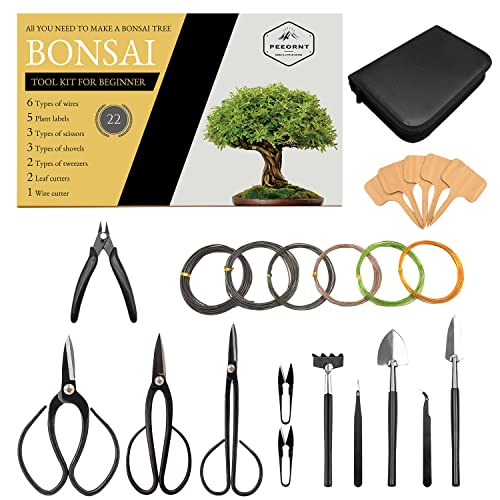
EVERYTHING YOU NEED TO START BONSAI - The bonsai tree kit includes 3 x bonsai scissor, 2 x leaf cutters, 2 x tweezers, 3 x soil shovels/rakes, 6 x bonsai training wires, 1 x wire cutter, 5 x bamboo plant markers. Start your bonsai journey with our bonsai kit.
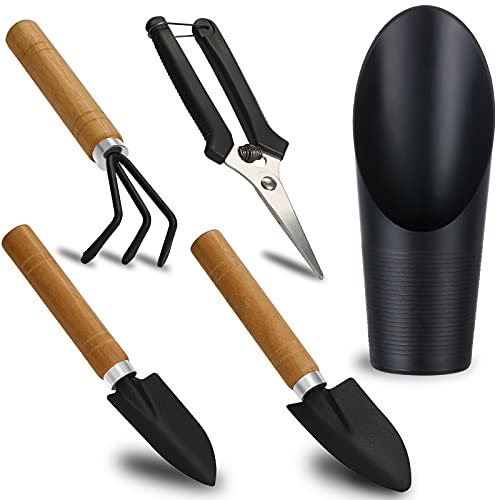
[SUCCULENT GARDEN TOOLS SET] The mini gardening hand tools kit include 3Pcs garden planting tools:1 shovel,1 spade,1 rake;and1 pruning scissors; 1 plastic bucket shovel,pieces of 5.
Apple Orchard Management Strategies
Managing an apple orchard in Montana requires a tailored approach due to the region’s unique climate and soil conditions. Understanding the best practices for planting, pruning, and pest control is essential for maximizing yield and ensuring the health of the trees. This section explores effective strategies that can help orchardists thrive in Montana’s challenging environment.
Managing your apple orchard involves several logistical considerations. Key points include:
Watering Schedule: Young trees need consistent moisture, especially during dry spells.
Fertilization Plan: Use a balanced fertilizer in early spring to support growth.
Pest Management: Monitor for common pests like aphids and codling moths. Organic options are available.
Understanding these logistics can streamline your orchard management.
Seasonal Apple Tree Maintenance in Montana
Maintaining apple trees in Montana requires a keen understanding of the state’s unique seasonal challenges. From harsh winters to short growing seasons, proper care throughout the year is essential for a successful harvest. This section delves into the specific maintenance practices needed to ensure your apple trees thrive in Montana’s diverse climate.
Ongoing care throughout the seasons is crucial for apple tree health. Follow these guidelines:
Spring: Prune trees to remove dead or diseased branches and encourage new growth.
Summer: Thin fruit to prevent overcrowding and ensure quality.
Fall: Harvest apples at peak ripeness and prepare trees for winter by mulching.
Regular seasonal care can lead to better yields and healthier trees.
Apple Cultivation Challenges in Montana
Growing apple trees in Montana presents unique challenges due to the region’s distinct climate and soil conditions. Factors such as temperature fluctuations, short growing seasons, and potential pest issues can complicate successful cultivation. Understanding these obstacles is essential for anyone looking to cultivate apples in this mountainous state.
Be aware of the following challenges:
Frost Damage: Late frosts can kill blossoms. Use protective measures like row covers.
Pest Infestations: Regular monitoring and intervention are necessary to prevent damage.
Water Stress: Ensure consistent watering during dry periods.
Addressing these challenges promptly can safeguard your apple trees.
