

Growing star fruit trees in a pot in Iowa requires careful attention to climate and soil conditions. To avoid common mistakes, ensure you choose the right pot size and soil mix while providing adequate sunlight and protection from cold temperatures.
Optimal Pot Size for Star Fruit Trees
Selecting an appropriate pot size is crucial for the healthy growth of star fruit trees. A pot that is too small restricts root development, while one that is too large can lead to overwatering issues. Aim for a pot that is at least 12-16 inches in diameter and has drainage holes to prevent root rot.
| Pot Size | Recommended Diameter | Benefits |
|---|---|---|
| Small | 12 inches | Encourages root growth |
| Medium | 14 inches | Balanced moisture retention |
| Large | 16 inches | Supports mature trees |
Recommended Products

Perfect Size for Outdoor Plants:Each 16-inch pot provides ample space for flowers, shrubs, or small trees, making it ideal for patios, gardens, balconies, and terraces.

DURABLE & LIGHTWEIGHT: Built with UV-resistant polypropylene, these durable and lightweight 16"D x 16"W x 12.76"H plastic flower pots resist fading, cracking, and wear, making them a reliable option for long-term use.

DURABLE & LIGHTWEIGHT: Crafted from UV-resistant plastic, these plant saucers are sturdy yet lightweight for indoor and outdoor use. Designed to support flower pots and planters in gardens, patios, porches, or home decor settings.
Use Quality Soil Mix
Selecting the right soil mix is crucial for the successful growth of star fruit trees in pots, especially in Iowa’s unique climate. A quality soil mix not only provides essential nutrients but also ensures proper drainage and aeration, which are vital for the health of the tree. Understanding the components of an ideal soil mix can help you avoid common pitfalls.
The right soil mix promotes healthy growth and prevents diseases. A well-draining potting mix is essential for star fruit trees. Look for a mix that contains organic matter, perlite, and peat moss to ensure proper aeration and moisture retention.
Use a potting mix designed for tropical plants.
Incorporate perlite for improved drainage.
Add organic compost to enhance nutrient content.
Optimal Sunlight Requirements for Star Fruit Trees
Star fruit trees thrive in bright, direct sunlight, making it essential to understand their specific light requirements, especially when grown in pots. In Iowa, where sunlight can be limited during certain seasons, knowing how to position your tree for optimal exposure can significantly impact its growth and fruit production. This section will explore the best practices for ensuring your star fruit tree receives the sunlight it needs.
Star fruit trees thrive in full sunlight. Position your potted tree in a location that receives at least 6-8 hours of direct sunlight daily. Insufficient light can lead to poor fruit production and weak growth.
Monitor sunlight exposure throughout the day.
Rotate the pot periodically to ensure even light distribution.
Consider using grow lights during winter months.
Winter Protection Strategies for Star Fruit Trees
Winter can pose significant challenges for star fruit trees grown in pots, especially in Iowa’s colder climate. Understanding effective protection strategies is crucial to ensure these tropical plants survive the harsh conditions. This section outlines practical methods to safeguard your star fruit trees during the winter months, helping you avoid common pitfalls and promote healthy growth.
Iowa winters can be harsh for tropical plants. Star fruit trees are sensitive to frost and cold temperatures. Taking measures to protect your tree during winter is essential for its survival.
Move the pot indoors when temperatures drop below 50°F.
Use a frost blanket for outdoor protection.
Place the pot in a sheltered area to reduce wind exposure.
Star Fruit Tree Watering Guidelines
Proper watering is crucial for the health of star fruit trees, especially when grown in pots in Iowa’s unique climate. Understanding the specific watering needs can prevent common pitfalls that lead to poor growth or even tree failure. This section outlines essential guidelines to ensure your star fruit tree receives the right amount of moisture throughout its growing season.
Proper watering is vital for the health of star fruit trees. Overwatering can lead to root rot, while underwatering can stress the tree. Establish a consistent watering schedule based on the season and soil moisture levels.
Water when the top inch of soil feels dry.
Use a moisture meter for accurate readings.
Ensure excess water drains out of the pot.
Recommended Products

Accurate Soil Moisture Detection: The XLUX Soil Moisture Meter can tell you if the soil deep inside your pot or garden is dry, moist or wet; whereas your eyes and fingers can only determine the moisture level of the soil surface. The probe is 5.5 inches (14 cm) longer than regular styles, allowing it to measure the soil moisture at the bottom of larger and deeper flower pots.

Trusted Since 2015: Become one of the many plant lovers who rely on the proven accuracy of XLUX. Established in 2015, our soil moisture meter has earned over 60,000+ verified ratings for its consistent performance. While many many newer brands come and go, we provide the long-term reliability and quality that American households have trusted for over a decade.

Product specifically designed to be used only in soil
Balanced Fertilizer Application for Star Fruit
Proper fertilization is crucial for the healthy growth of star fruit trees, especially when grown in pots. Understanding the right balance of nutrients can significantly impact fruit production and overall plant vitality. This section will explore the importance of balanced fertilizer application and how to avoid common mistakes that can hinder your tree’s development.
Regular fertilization supports the growth and fruiting of star fruit trees. Use a balanced fertilizer with equal parts nitrogen, phosphorus, and potassium. Fertilize every 4-6 weeks during the growing season.
Choose a slow-release fertilizer for convenience.
Follow the manufacturer’s instructions for application rates.
Monitor tree growth and adjust fertilization as needed.
Common Mistakes to Avoid
Growing star fruit trees in pots can be rewarding, but many gardeners in Iowa often make critical mistakes that hinder their success. Understanding these common pitfalls is essential for ensuring healthy growth and fruitful yields. By recognizing and avoiding these errors, you can cultivate thriving star fruit trees even in challenging climates.
Several common mistakes can hinder the growth of star fruit trees in pots. Awareness of these pitfalls can help you maintain a healthy tree.
Neglecting drainage: Always ensure pots have drainage holes.
Ignoring pests: Regularly check for pests like aphids and scale.
Overlooking repotting: Repot every 1-2 years to refresh soil and promote growth.
Identifying Distress Signs in Star Fruit Trees
Recognizing the signs of distress in star fruit trees is crucial for successful cultivation, especially when growing them in pots in Iowa’s unique climate. By understanding these indicators, you can take timely action to ensure your trees thrive and produce healthy fruit. This section outlines the common symptoms of stress to watch for in your star fruit trees.
If your star fruit tree shows signs of distress, identifying the issue early is key. Common symptoms include yellowing leaves, stunted growth, and poor fruiting.
| Symptom | Primary Suspect | Difficulty Level |
|---|---|---|
| Yellowing leaves | Nutrient deficiency | 2 |
| Stunted growth | Root bound | 3 |
| Poor fruiting | Insufficient sunlight | 4 |
Assess watering habits and adjust as necessary.
Check for pests and treat with appropriate methods.
Ensure the tree is receiving adequate sunlight.
Essential Care Tips for Star Fruit Trees
Caring for star fruit trees in pots requires attention to specific needs, especially in a climate like Iowa’s. Understanding the essential care tips can help you avoid common pitfalls and ensure your trees thrive. From watering techniques to optimal sunlight exposure, these guidelines will set you on the path to successful star fruit cultivation.
Neglecting any of these care aspects can lead to the decline of your star fruit tree. Regular monitoring and adjustments are essential for success.
Recommended Products

Imagine stepping into your backyard and seeing a tropical tree that feels bright, fresh, and full of life. That is the experience a Star Fruit Tree (Averrhoa carambola) creates as it matures.
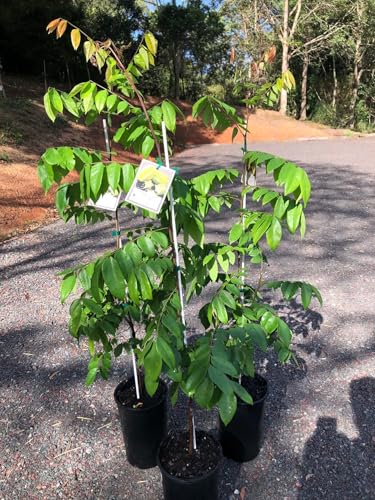
Starfruit Tree Live Carambola Tree You will receive the tree, no the fruit

