

Almond trees thrive in Glendale, AZ with proper desert irrigation and care. Implementing effective watering techniques and understanding soil conditions are essential for optimal growth and nut production.
Almond Tree Growth Conditions in Glendale
Almond trees require specific conditions to flourish in the desert climate of Glendale. They thrive in well-drained soil and need full sunlight for at least six hours daily. The average temperature range for almond trees is between 65°F and 85°F during the growing season.
Recommended Products
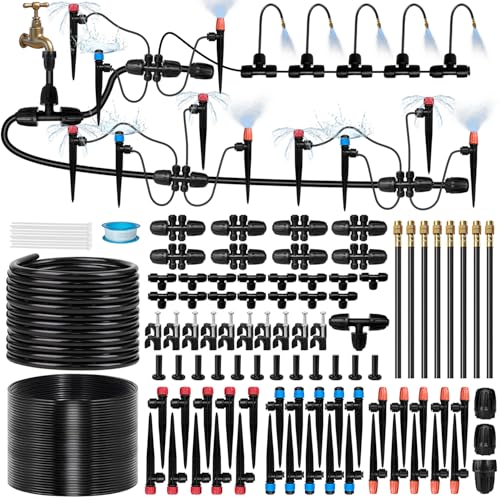
【Upgraded Tube Design & Water Saving】 Our garden watering system is upgraded to 1/2” diameter to support high water pressure. The 1/2” tee connector allows seamless splitting into 2 independent zones for customized watering schedules. By delivering moisture directly to root zones, this drip Irrigation system significantly reduces evaporation and runoff—saving more water compared to conventional sprinklers while eliminating the need for manual watering.

NO MORE HARD INSTALLATION - SET UP IN MINUTES. Tired of struggling with stiff barbed fittings? This drip irrigation system features quick-connect fittings that let you push, lock, and secure tubing effortlessly. No tools, no leaks, just a smooth setup experience. Enjoy a frustration-free installation and get your garden watering system running in minutes.
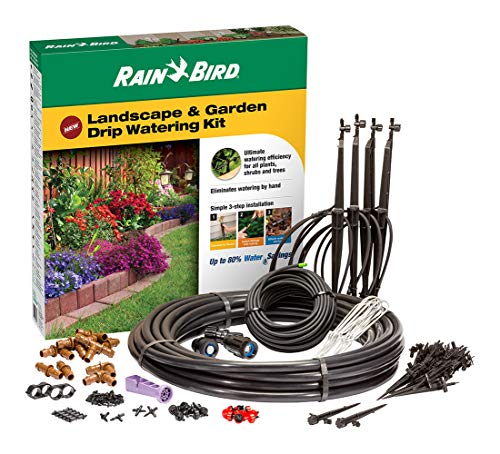
Comprehensive 108-piece kit for flower beds, gardens and landscaped areas; eliminates hand watering, saves time and money
Almond Tree Soil Composition and Drainage
Understanding the soil composition and drainage needs of almond trees is crucial for successful cultivation in Glendale, AZ. The unique desert environment presents specific challenges, making it essential to ensure that the soil supports healthy growth while effectively managing water resources. This section delves into the optimal soil characteristics and drainage practices necessary for thriving almond orchards.
The right soil composition is vital for almond tree health. Almond trees prefer sandy loam or loamy soil that allows for adequate drainage. Poor drainage can lead to root rot and other diseases.
| Soil Type | Drainage Quality | pH Range |
|---|---|---|
| Sandy Loam | Excellent | 6.0-7.5 |
| Clay Loam | Moderate | 6.0-7.0 |
| Silty Loam | Good | 6.5-7.5 |
Drip Irrigation Strategies for Almond Trees
Effective drip irrigation is crucial for the health and productivity of almond trees in Glendale, AZ, where arid conditions can pose challenges. Implementing tailored strategies can optimize water usage, ensuring that these trees receive the moisture they need to thrive in a desert environment. This section explores various methods to enhance irrigation efficiency for almond cultivation.
Desert irrigation is crucial for almond trees. Overwatering can harm the roots, while underwatering can stunt growth. Implementing a drip irrigation system is an effective solution.
Install a drip irrigation system to deliver water directly to the roots.
Monitor soil moisture using a moisture meter to ensure optimal hydration.
Adjust watering schedules based on seasonal changes and rainfall.
Almond Tree Fertilization Strategies
Fertilizing almond trees in Glendale, AZ requires a tailored approach to meet the unique challenges of desert conditions. Understanding the nutritional needs of these trees is essential for promoting healthy growth and maximizing yield. This section explores effective fertilization strategies that align with the specific climate and soil characteristics of the region.
Proper fertilization supports almond tree growth and nut production. Almond trees benefit from a balanced fertilizer that includes nitrogen, phosphorus, and potassium.
Apply fertilizer in early spring before the growing season.
Use organic compost to improve soil quality and nutrient availability.
Conduct soil tests to identify specific nutrient deficiencies.
Almond Tree Pest and Disease Control
Managing pests and diseases is crucial for the health and productivity of almond trees in Glendale, AZ. This region’s unique climate presents specific challenges, making it essential for growers to implement effective control strategies. Understanding common threats and their management will help ensure a thriving almond orchard.
Pests and diseases can significantly impact almond tree health. Regular monitoring and early intervention are essential for prevention.
Inspect trees weekly for signs of pests such as aphids and spider mites.
Use organic pesticides to manage infestations without harming beneficial insects.
Practice crop rotation to reduce disease risk and improve soil health.
Seasonal Maintenance for Almond Trees
Proper seasonal maintenance is crucial for the health and productivity of almond trees in Glendale, AZ. Understanding the specific care requirements throughout the year, including irrigation practices and pest management, can significantly enhance tree growth and nut yield. This section will outline essential maintenance tasks tailored to the unique desert environment.
Seasonal care is crucial for the long-term health of almond trees. Different seasons require specific maintenance tasks to ensure optimal growth.
Spring: Prune trees to promote airflow and remove dead branches.
Summer: Monitor water levels and adjust irrigation as needed.
Fall: Harvest nuts and prepare trees for winter dormancy.
| Season | Maintenance Task | Key Focus |
|---|---|---|
| Spring | Pruning | Airflow and growth |
| Summer | Water Management | Hydration levels |
| Fall | Harvesting | Nut quality |
Optimal Almond Harvest Timing
Understanding the optimal timing for almond harvest is crucial for maximizing yield and quality in Glendale, AZ’s unique desert climate. Factors such as temperature, humidity, and irrigation practices play a significant role in determining the best harvest window. This section explores the key indicators and best practices for achieving a successful almond harvest in this arid region.
Harvesting almonds at the right time ensures maximum quality and yield. Timing is crucial, as almonds should be harvested when their hulls split open.
Monitor nut maturity by checking hulls for splitting.
Use mechanical harvesters for large orchards to save time.
Collect nuts promptly to prevent spoilage from rain or pests.
Irrigation and Care Tips for Almond Trees
Growing almond trees in Glendale, AZ requires careful attention to irrigation and care due to the region’s arid climate. Proper watering practices and maintenance techniques are essential for ensuring healthy growth and optimal nut production. This section provides practical tips to help you cultivate thriving almond trees in a desert environment.
Successful almond tree cultivation in Glendale requires attention to detail in irrigation, soil quality, and pest management. Regular monitoring and timely interventions can lead to a fruitful harvest.
Ensure you follow these guidelines to maximize your almond production and maintain healthy trees.
