

Growing almond trees in Buffalo, NY is challenging due to the region’s cold winters and lake effect weather. However, with the right techniques and varieties, successful cultivation is possible. This article outlines essential steps and considerations for thriving almond trees in this unique climate.
Best Almond Varieties for Buffalo Climate
When considering almond cultivation in Buffalo, NY, selecting the right variety is crucial for success in the region’s unique climate. The lake effect can influence temperature and moisture levels, making certain almond varieties better suited for resilience and productivity. Understanding these options can help growers maximize their yields while navigating the challenges of local weather conditions.
Choosing the right almond varieties is crucial for successful growth in Buffalo’s climate. Some varieties are more resilient to cold temperatures and can better withstand the region’s specific weather patterns. The best options include:
Hardy varieties such as ‘Carmel’ and ‘Tuono’
Self-pollinating types that require less maintenance
Early-blooming cultivars that can avoid late frosts
These varieties not only adapt to cooler climates but also produce high-quality nuts.
Recommended Products

Easy to Grow – Requires minimal care and thrives in full sun or partial shade

Seed Preparation: Soak the seeds in room-temperature water for 24–48 hours to soften the outer shell and promote germination.

Imagine your property a few years from now — cooler, greener, and more comfortable. A place where a wide, layered canopy creates natural shade and transforms open space into a relaxing outdoor environment. That future starts with planting a Tropical Almond Tree (Terminalia catappa) today.
Soil Preparation for Thriving Almond Trees
Preparing the soil is crucial for successfully growing almond trees in Buffalo, NY, where lake effect conditions present unique challenges. Proper soil preparation not only enhances drainage and nutrient availability but also ensures that the trees can withstand the region’s climate fluctuations. Understanding the specific requirements for almond trees will set the foundation for a thriving orchard.
Proper soil preparation is essential for healthy almond tree growth. Almond trees thrive in well-draining soil with a pH between 6.0 and 7.5. Follow these steps to prepare your soil:
Test soil pH using a soil testing kit.
Amend soil with lime if pH is too low.
Incorporate organic matter such as compost or well-rotted manure to improve fertility and drainage.
A well-prepared soil foundation supports strong root development and enhances overall tree health.
Recommended Products

Quick, at home results for Soil pH, Nitrogen, Phosphorous and Potash Innovative and inexpensive soil test kit features an easy-to-use capsule system and patented color comparators

Accurate Soil pH Testing: Dewildetradingco Soil pH Test Strips offer measurements of soil pH levels (pH 3.5-9). As an essential tool for every gardener and grower, these test strips help determine the optimal pH for various plants, such as outdoor plants, indoor plants, gardens, grass lawns, fruit trees, flowers, vegetables, and forest shrubs.

KNOW BEFORE YOU GROW | Grow the healthiest, sustainable lawn and garden with the most accurate and easy to use professional soil test kit on the market
Lake Effect Weather Effects on Almond Growth
Buffalo, NY, is known for its unique lake effect weather, which can significantly impact agricultural practices. Understanding how these specific climatic conditions influence almond tree growth is essential for local growers. This section delves into the nuances of lake effect weather and its implications for cultivating healthy almond trees in the region.
Lake effect weather can significantly affect almond tree growth in Buffalo. This phenomenon leads to increased snowfall and fluctuating temperatures. Here are key considerations:
Winter protection is necessary to shield trees from extreme cold.
Microclimates can be utilized to enhance warmth around trees.
Windbreaks can help reduce cold winds and protect blossoms.
Understanding these impacts allows for better planning and care strategies.
Almond Tree Care Essentials for Buffalo
Growing almond trees in Buffalo, NY presents unique challenges due to the region’s climate and lake effect conditions. Understanding the essential care requirements for these trees is crucial for successful cultivation. This section outlines key practices to help almond trees thrive in this specific environment.
| Aspect | Recommendation | Difficulty (1-5) |
|---|---|---|
| Variety Selection | Choose hardy types | 2 |
| Soil Preparation | Test and amend soil | 3 |
| Winter Protection | Use mulch and covers | 4 |
| Pollination | Ensure self-pollination | 2 |
Deep Watering Strategies for Almond Trees
Deep watering is essential for the successful growth of almond trees, especially in regions like Buffalo, NY, where lake effect conditions can impact soil moisture levels. Implementing effective deep watering strategies ensures that these trees receive adequate hydration, promoting healthy root development and resilience against environmental stressors. Understanding the best practices for deep watering can significantly enhance the survival and productivity of almond trees in this unique climate.
Watering is a critical aspect of almond tree care, especially in the initial growth stages. Almond trees require deep watering to establish strong roots. Follow these guidelines:
Water deeply once a week during dry periods.
Use drip irrigation to minimize water waste.
Monitor soil moisture to avoid overwatering.
Proper watering techniques promote healthy growth and nut production.
Fertilization Techniques for Almond Tree Health
Fertilization is crucial for the health and productivity of almond trees, especially in regions like Buffalo, NY, where unique climatic challenges exist. Understanding the specific nutrient needs and optimal application methods can significantly enhance growth and yield. This section explores effective fertilization techniques tailored to ensure almond trees thrive despite the lake effect conditions.
Fertilization is vital for ensuring almond trees receive necessary nutrients. A balanced fertilizer can support growth and nut development. Consider these steps:
Apply a balanced fertilizer in early spring before new growth begins.
Use slow-release formulations to provide nutrients over time.
Monitor tree health and adjust fertilization as needed.
Regular fertilization helps maintain tree vigor and enhances nut yield.
Pruning Strategies for Thriving Almond Trees
Pruning is a crucial practice for cultivating healthy almond trees, especially in the unique climate of Buffalo, NY. Effective pruning strategies not only enhance tree structure and fruit production but also help trees adapt to the region’s lake effect conditions. Understanding the right techniques can significantly improve the chances of success for almond growers in this challenging environment.
Pruning is essential for maintaining the shape and health of almond trees. Proper pruning encourages better air circulation and sunlight exposure. Follow these steps:
Prune during dormancy in late winter.
Remove dead or diseased branches to improve overall health.
Thin out crowded branches to enhance light penetration.
Effective pruning practices lead to stronger trees and improved nut quality.
Pest Management Strategies for Almond Trees
Effective pest management is crucial for the successful cultivation of almond trees in Buffalo, NY, where unique environmental challenges arise from lake effect weather. Understanding the specific pests that threaten almond trees in this region and implementing targeted strategies can significantly enhance tree health and yield. This section explores practical approaches to safeguard almond trees from common pests.
Pest management is crucial for almond tree health. Common pests include aphids, spider mites, and scale insects. Implement these strategies to protect your trees:
Regularly inspect trees for signs of infestation.
Use organic insecticides to minimize harm to beneficial insects.
Encourage natural predators like ladybugs in your garden.
Effective pest control ensures trees remain healthy and productive.
Recommended Products
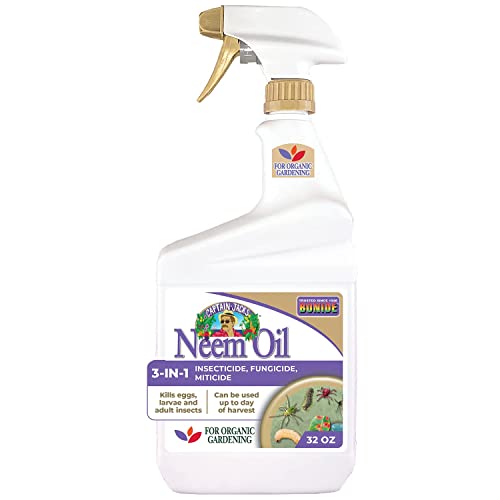
Protect your oasis with 3 garden products in 1 from Captain Jack’s; Bonide Captain Jack’s Ready-to-Use Neem Oil spray for plants is a multi-purpose fungicide, insecticide and miticide for your lawn & garden

Control diseases and insects in your garden with Captain Jack’s Fruit Tree Spray Concentrate! Use on a variety of listed fruits, nuts and citrus plants.

Control diseases and insects in your garden with Captain Jack’s Fruit Tree Spray Concentrate! Use on a variety of listed fruits, nuts and citrus plants.
Almond Tree Growth Best Practices in Buffalo
Growing almond trees in Buffalo, NY presents unique challenges due to the region’s climate and lake effect conditions. Understanding best practices for cultivation can significantly enhance the chances of success. This section outlines essential strategies for nurturing almond trees in this specific environment, ensuring they thrive despite the hurdles posed by local weather patterns.
| Factor | Best Practice | Notes |
|---|---|---|
| Variety | Choose hardy types | ‘Carmel’, ‘Tuono’ |
| Soil | Well-draining, pH 6.0-7.5 | Amend as needed |
| Watering | Deep and infrequent | Use drip irrigation |
| Fertilization | Balanced fertilizer | Early spring application |
| Pruning | Thin and shape | Late winter timing |
| Pest Control | Regular inspections | Use organic methods |
Almond Cultivation Strategies for Buffalo Climate
Growing almond trees in Buffalo, NY presents unique challenges due to the region’s climate, particularly the lake effect. Understanding effective cultivation strategies is essential for successful almond production in this area. This section explores tailored approaches that can help optimize growth and yield despite the environmental hurdles.
Growing almond trees in Buffalo requires careful planning and management. Select the right varieties, prepare your soil, and implement effective care strategies. Monitor local weather patterns to adapt your practices accordingly.
