

Mulberry trees can survive in North Dakota, but they require specific conditions to thrive in extreme cold. Selecting the right variety and implementing protective measures can enhance their chances of success in harsh climates.
Cold-Tolerant Mulberry Varieties for North Dakota
When considering mulberry trees for North Dakota, it’s crucial to choose varieties known for their cold tolerance. Some species, like the White Mulberry, can withstand lower temperatures compared to others. The Illinois Everbearing Mulberry is another option that has shown resilience in colder climates.
Recommended Products
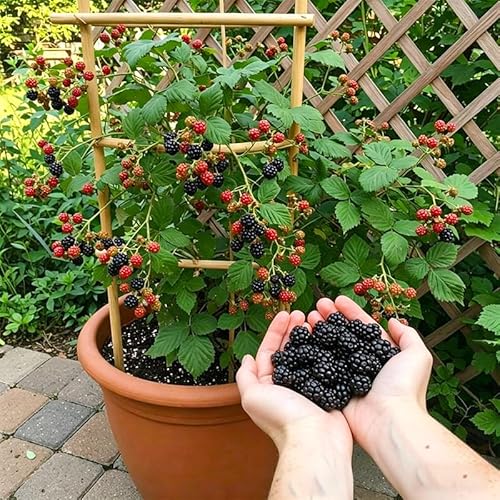
Mulberry trees can be grown for fruit production, wood processing, or landscape enhancement. The berries can be eaten fresh or used in foods like jams and fillings

Mulberries are Beautiful Fruit Bearing Plants that will add spectacular beauty to any home or garden

You will be getting a nicely established starter plant of the Illinois Everbearing Mulberry Tree. You will be getting a live plant from 3 to 15 inches tall.
Cold-Hardy Mulberry Varieties for North Dakota
North Dakota’s harsh winters pose significant challenges for many plants, including mulberry trees. However, certain cold-hardy varieties have adapted to thrive in these extreme conditions. This section explores the specific mulberry types that can withstand the frigid temperatures and still produce fruit in the northern climate.
White Mulberry: Tolerates temperatures down to -10°F.
Illinois Everbearing: Grows well in USDA zones 4-8.
Russian Mulberry: Known for its hardiness and adaptability.
These varieties not only survive but can also produce fruit in less-than-ideal conditions.
Mulberry Tree Cold Hardiness Factors
Understanding the cold hardiness of mulberry trees is crucial for their successful growth in North Dakota’s extreme climate. Various factors influence their ability to withstand frigid temperatures, including species selection, soil conditions, and microclimates. This section delves into these elements to determine how well mulberry trees can adapt and thrive in such challenging environments.
Mulberry trees have varying degrees of cold resistance. The ability to withstand extreme temperatures is influenced by factors such as age, health, and environmental conditions. Younger trees may struggle more than established ones.
Tree Age and Cold Resistance Factors
Understanding the age of mulberry trees and their cold resistance is crucial for gardeners in North Dakota. The survival of these trees in extreme cold conditions depends on various factors, including their maturity and genetic adaptability. This section explores how tree age influences their ability to withstand harsh winters.
Age of Tree: Older trees typically have better cold tolerance.
Health and Care: Proper watering and fertilization strengthen resilience.
Microclimates: Areas with windbreaks or southern exposure can provide added protection.
Understanding these factors can help in planning for successful growth.
Mulberry Tree Winter Protection Strategies
Mulberry trees face significant challenges in North Dakota’s harsh winters, making winter protection essential for their survival. Understanding effective strategies to shield these trees from extreme cold can greatly enhance their chances of thriving in this unforgiving climate. This section explores various methods to help mulberry trees endure the frigid temperatures and harsh conditions typical of the region.
Preparation is essential for ensuring mulberry trees survive harsh winters. Implementing protective measures can significantly increase their chances of thriving.
Recommended Products

Sturdy Material, Porous and Breathable: our tree wrap is made of jute burlap material. It was light weight so it didn't hurt the plants and keeping them warm saved them from freezing, and dries faster than most wraps after it gets wet so the danger of rotting is broken

Janitorial & Cleaning Supplies

Suitable Size: You will get a roll of tree wrap that is approximately 164 feet long and 3.15 inches wide. This wrap is an essential tool for any gardener or homeowner looking to safeguard their trees during the winter months.
Mulching Techniques for Cold Protection
Mulching is a vital technique for protecting mulberry trees from North Dakota’s harsh winter conditions. By applying the right type of mulch, you can help insulate the roots and retain moisture, ensuring the trees have a better chance of surviving extreme cold. This section explores effective mulching strategies tailored for mulberry trees in frigid climates.
Mulching: Apply a thick layer of organic mulch around the base to insulate roots.
Wrapping: Use burlap or tree wrap to shield young trees from frost.
Watering: Ensure trees are well-watered before the ground freezes to promote health.
These steps can mitigate the impact of extreme cold and support tree vitality.
Optimal Planting Strategies for Mulberry Trees
When considering the cultivation of mulberry trees in North Dakota, understanding the optimal planting strategies is crucial for their survival in extreme cold. This section explores the best practices for planting and nurturing mulberry trees, ensuring they can thrive despite the harsh climate conditions typical of the region.
Planting mulberry trees in North Dakota requires careful consideration of timing and location. Selecting the right spot can make a significant difference in their growth and survival rates.
Recommended Products

The Dwarf Everbearing Mulberry tree has a mature height of 6-10 feet and a width of 6-8 feet, with a growth rate of a foot per year, making it perfect for small gardens.

Set of 2 live mulberry plants, each 4-6 inches, shipped without pots, ideal for outdoor planting

Optimal Soil Conditions for Mulberry Trees
Understanding the optimal soil conditions for mulberry trees is crucial for their successful growth, especially in the challenging climate of North Dakota. These trees require specific soil characteristics to thrive, including pH levels, drainage, and nutrient content. This section will explore the ideal soil conditions that can support mulberry trees in extreme cold environments.
Soil Type: Well-drained, loamy soil is preferred for optimal growth.
Sunlight: Full sun exposure is essential for fruit production.
Spacing: Allow adequate space between trees to promote airflow and reduce disease risk.
Following these guidelines can lead to successful establishment and growth.
Cold Hardy Mulberry Varieties for North Dakota
When considering mulberry trees for North Dakota, it’s essential to focus on varieties that can withstand the region’s extreme cold. Certain cold hardy mulberry types have shown resilience and adaptability, making them suitable for cultivation despite harsh winter conditions. This section explores these varieties and their potential for thriving in North Dakota’s climate.
| Variety | Cold Tolerance | USDA Zones | Fruit Production |
|---|---|---|---|
| White Mulberry | -10°F | 4-8 | Yes |
| Illinois Everbearing | -5°F | 4-8 | Yes |
| Russian Mulberry | -20°F | 3-8 | Yes |
This table summarizes the key characteristics of each variety, helping you make an informed choice.
Mulberry Tree Survival Strategies in Cold Climates
Mulberry trees can indeed thrive in North Dakota with the right approach. Focus on selecting cold-hardy varieties and implementing protective measures to enhance survival rates. Regular care and attention to planting conditions will also contribute to a successful growing experience.
